
Meaning comes from a setting
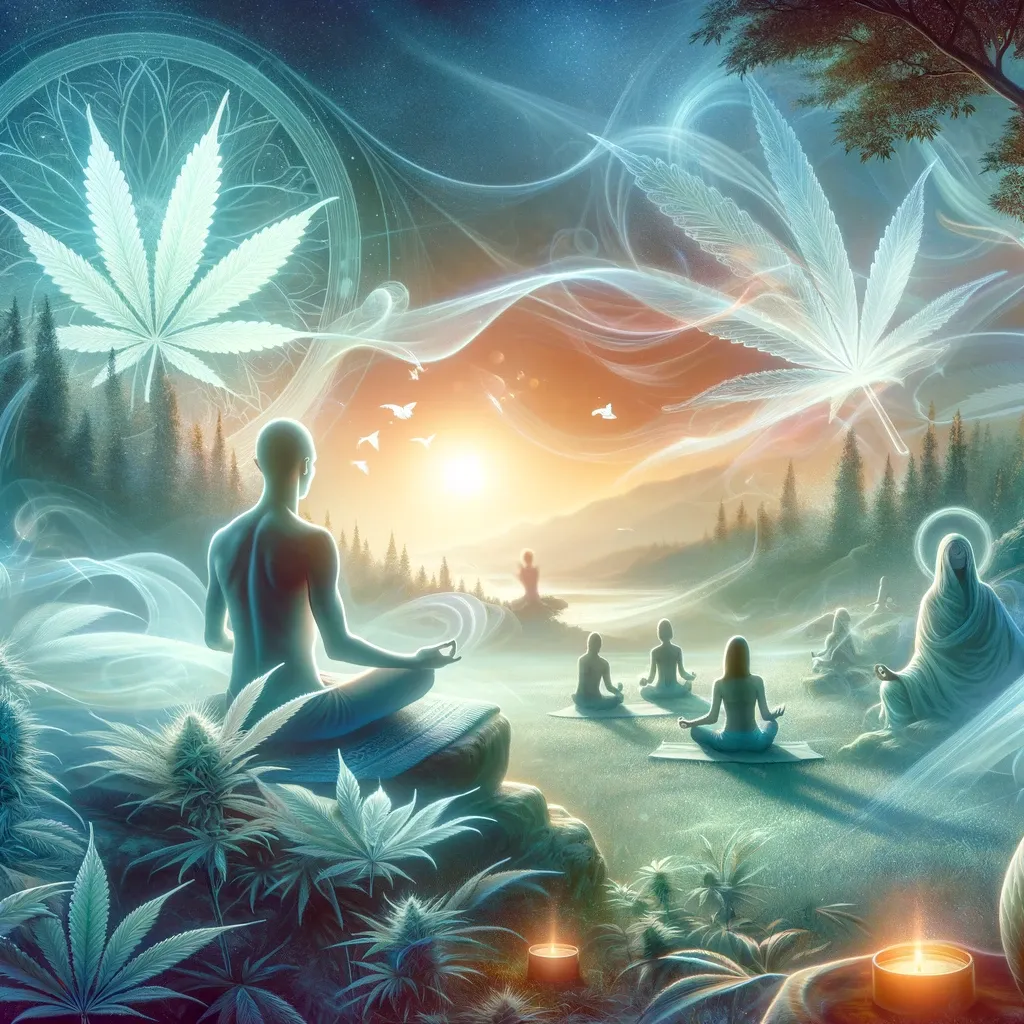
Cannabis can have spiritual meaning when a community or individual places its effects inside a framework of ritual, belief and interpretation. That meaning is not identical to intoxication. Two documented examples—an ancient shrine at Arad and Rastafari religious practice—show how the same plant can belong to very different worlds of symbolism. Contemporary interest in Spain often draws on these international histories.
Arad: a material trace of ancient ritual
Research published in 2020 identified cannabis residues on an altar at the Judahite shrine of Arad; frankincense was identified on another altar. The importance of the finding is its location: a substance was detected in a ritual installation, not simply among household objects.
Residue chemistry establishes a physical connection between the material and the shrine. Reconstructing the precise experience or beliefs of the participants remains a historical interpretation. The evidence gives cannabis a place in one ancient ritual setting without supplying a universal account of ancient religion.
Rastafari: a living religious vocabulary
Smithsonian documentation describes ganja as sacramental within Rastafari and records communal religious discussion known as reasoning. Here the meaning belongs to a living tradition of language, community and religious interpretation. The plant participates in an existing worldview.
This changes how familiar imagery is understood. Colours, music and cannabis may circulate together in popular culture, while the religious practice carries commitments and historical experience. Treating a sacrament simply as a leisure aesthetic removes the community that gives it meaning.
What altered perception contributes
THC affects brain systems involved in memory, thought and perception, as described by NIDA. Changes in attention or the feeling of time can make an experience seem unusual or significant. The interpretation of that experience then depends on expectation, personal history and the surrounding social context.
A report of spiritual importance is a report about meaning. A laboratory account of memory or perception is a report about measurable processes. Both can describe aspects of an experience, but one does not automatically establish the other.
A modern spiritual question in Spain
For a person encountering these ideas in Spain, the substantive distinction is between belonging to a tradition and borrowing a symbol. A private reflection, a religious ceremony and a social-club conversation are different settings with different expectations.
Cannabis is therefore neither a complete explanation of a spiritual tradition nor a guarantee of insight. In the documented examples, ritual space, shared vocabulary and community give the substance its religious place. The enduring subject is the relationship between an altered experience and the framework through which people understand it.
Sources & further reading
General information, not individual legal or medical advice.