Three different product categories
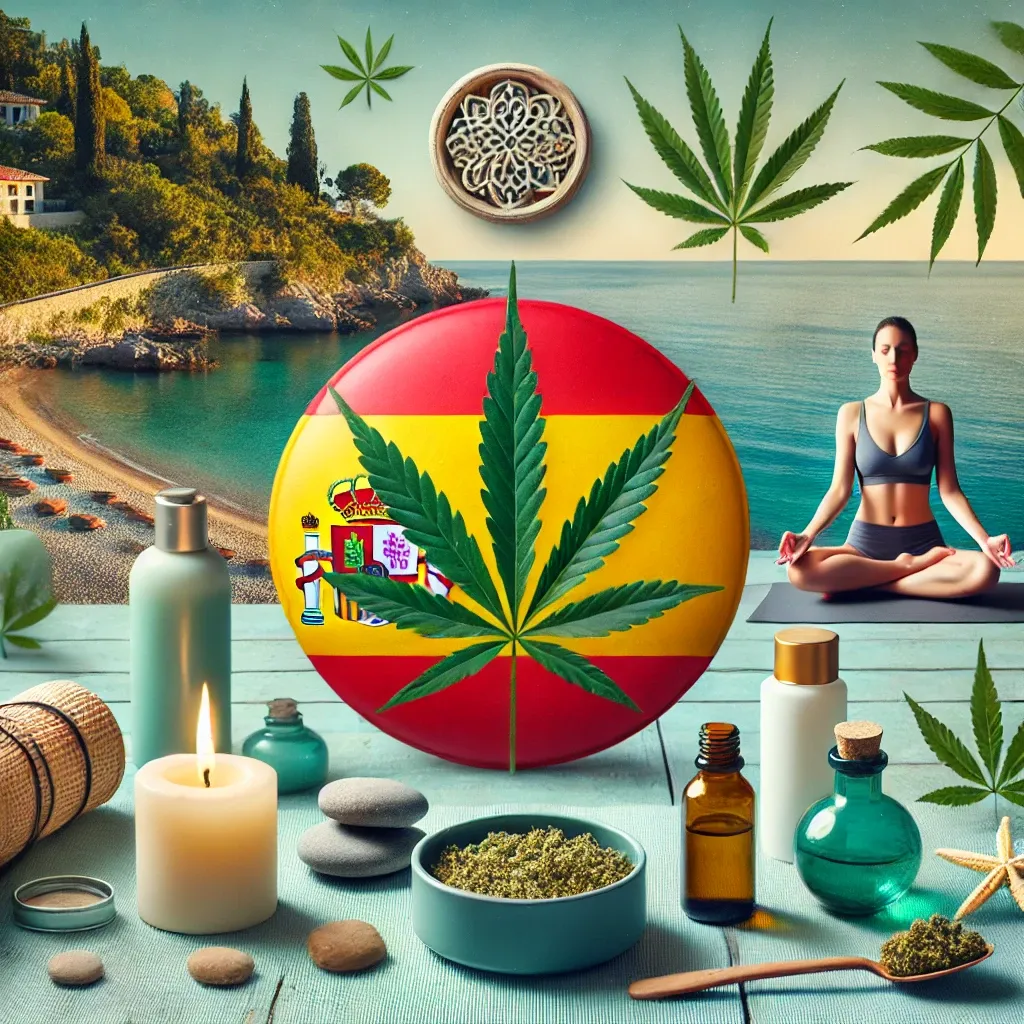
CBD added to food requires novel-food authorisation; cosmetics follow product-safety and responsible-person obligations; cannabinoid medicines follow clinical and pharmaceutical rules. Spain’s wellness marketplace brings these categories together visually, but their permitted purposes and regulatory responsibilities remain separate.
CBD in food still requires novel-food authorisation
CBD added to food or food supplements requires EU novel-food authorisation before lawful marketing for that purpose. In its update of 21 September 2026, the Catalan Food Safety Agency reported a favourable EFSA assessment of a specific synthetic CBD preparation in medium-chain triglycerides. It explicitly distinguished that scientific opinion from market authorisation, which requires a European Commission decision. No cannabinoid novel-food authorisations had yet been granted.
The issue has a concrete Spanish example. In February 2026, consumer organisation OCU reported CBD gummies marketed as a supplement to AESAN and requested a compliance investigation because the required EU authorisation had not been granted. This was OCU’s notification, not a finding that every product sold by the retailer had been assessed.
A cosmetic listing is not a product endorsement
The European Commission’s CosIng database provides information about cosmetic ingredients. The Commission explicitly says the database has no legal value. An ingredient name appearing there therefore does not establish that a finished cream is approved, effective for disease or compliant in every formulation.
Cosmetic rules require an EU responsible person, a safety assessment and compliance with the relevant product obligations. A product intended for skin care belongs to a different category from something swallowed or prescribed for a medical condition. A claim to treat a disease needs a different evidential and regulatory basis from a claim about keeping skin in good condition.
Medicines have a defined clinical purpose
Spain’s Royal Decree 903/2025 established a framework for standardised cannabis preparations used in magistral medicines, with specialist prescribing and hospital-pharmacy responsibilities. AEMPS has published the corresponding 2026 monograph. That is a concrete medical development, distinct from general wellness retail.
The clinical pathway involves a defined treatment rationale and follow-up. Its existence does not convert an unrelated retail CBD product into the medicine used in a study. Composition, indication and supervision remain essential to understanding what a medical result actually applies to.
Who is responsible for each category
Food authorities oversee food compliance; the EU novel-food process includes scientific assessment and Commission authorisation. Cosmetic products require a responsible person and safety assessment. Spain’s cannabis magistral medicines involve specialist clinicians, hospital pharmacies and AEMPS pharmaceutical standards. These are the institutions behind the different products marketed under a wellness theme.
Sources & further reading
General information, not individual legal or medical advice.