
The real subject is plant biology
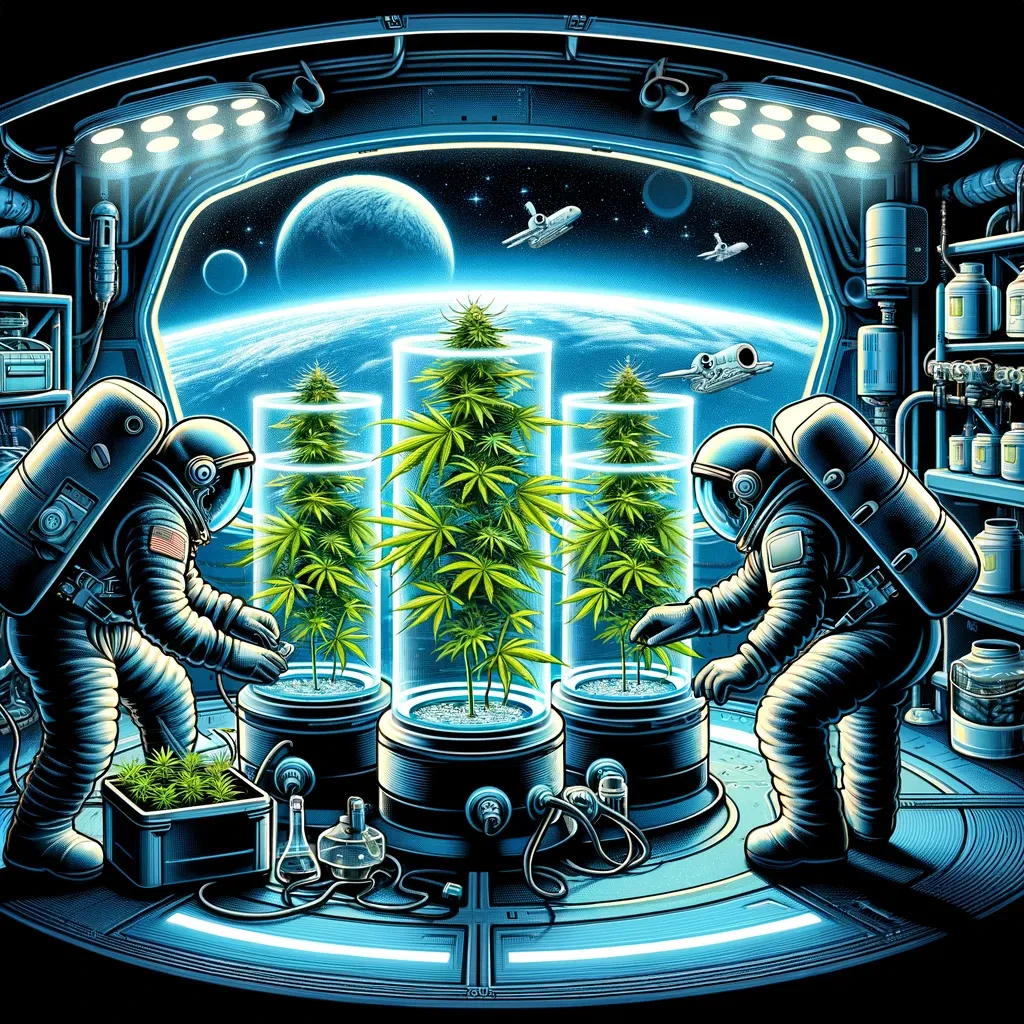
Cannabis-in-space research concerns how plant material responds to a radically different physical environment. A documented project announced by the University of Colorado Boulder in December 2019 involved hemp and coffee cell cultures destined for the International Space Station. That is a laboratory question about living tissue, distinct from a room of flowering cannabis plants or a commercial harvest.
What the hemp project proposed
CU Boulder described Front Range Biosciences working with BioServe Space Technologies on 480 plant-cell cultures, scheduled for the March 2020 SpaceX CRS-20 mission and approximately a month in an incubator. The university account identified remote environmental monitoring as part of the experiment.
Cell cultures allow researchers to investigate biological responses in small, contained samples. A project announcement establishes the intended experiment; a useful agronomic trait would require subsequent measurements and confirmation on Earth. Gene-expression changes and a stable inherited improvement are different results.
Why microgravity changes the experiment
On Earth, gravity helps determine how water and air distribute around roots. In orbit, fluid behaviour changes: water can collect in ways that leave roots short of oxygen. NASA identifies water delivery and root aeration as central space-plant challenges.
Gravity also forms part of the information a plant uses to orient growth. Investigations can therefore examine signalling and biological responses under conditions unavailable in an ordinary greenhouse. The experimental value lies in separating environmental influences and observing how living systems respond.
NASA's food plants provide the wider context
NASA’s Veggie and Advanced Plant Habitat facilities study plant growth and fresh food for crews. The programme has included plants such as radishes and peppers, with different facilities offering different levels of environmental control and crew involvement.
These experiments address nutrition, reliable growth and the practical constraints of long missions. They also create knowledge about controlled environments. Their food-crop results are relevant background science, rather than direct findings about hemp chemistry.
What could return to Earth
Space experiments can reveal responses that help researchers understand plant stress, development or gene regulation. Translating those observations into an Earth-based application requires a further chain of evidence: repeatable measurements, persistence of the trait and a useful effect in the intended setting.
Sources & further reading
General information, not individual legal or medical advice.