Research
↗What cannabidiol trials showed in severe childhood epilepsy
A landmark Dravet syndrome trial found fewer convulsive seizures with purified CBD, alongside adverse effects. The finding concerns a defined treatment and condition.

Stories and explainers about cannabis in Spain: associations, law, research and culture.
Articles found: 48
A landmark Dravet syndrome trial found fewer convulsive seizures with purified CBD, alongside adverse effects. The finding concerns a defined treatment and condition.

Three research approaches explain why creative confidence, personality and measured performance can point in different directions.
How THC changes time perception and attention during meditation, with results from controlled experiments and a clear explanation of yoga’s mental demands.
What a canine osteoarthritis trial found, why CBD and THC are different veterinary questions, and how accidental cannabis exposure presents.
A vaporizer’s output depends on the material, additives and device components. Research on metals and the 2019 EVALI outbreak shows why THC percentage is only one measurement.
Cannabis production can exchange one environmental burden for another. Energy use, river pressure and the fate of harvested materials explain why location and production system matter.
A chemotherapy trial, two small cannabinoid trials, a pain review and a measurement standard show what research actually added in 2024.
The concrete hemp project involved cell cultures, while NASA’s wider plant programme studies water, roots and biological responses. Space is an experimental environment, not a shortcut to a new cannabis product.
Associations can host conversation and mutual support. Spain’s medicinal framework assigns diagnosis, prescribing, pharmaceutical preparation and monitoring to healthcare professionals.
A 42-runner study found greater enjoyment but harder-feeling exercise with THC. Recovery claims and competition rules ask different questions.

A yoga trial measured improvement over 12 weeks; a small CBD experiment measured anxiety during public speaking. Their results describe different interventions.
UCM’s 2026–27 medicinal-cannabis research master’s combines chemistry, pharmacology, therapeutic research and law, with half its 60 credits devoted to a final project.
Cannabinoid medicines can reduce particular symptoms in defined conditions. Sativex and Epidyolex illustrate different ingredients, patients and treatment goals.
Research in older patients examines specific symptoms and daily functioning. A reduction in agitation or pain must be weighed alongside sedation, balance and medication interactions.

Experiments distinguish creative performance from how positively people judge ideas. Cannabis can change the feeling of inspiration without improving the work itself.
Chemical studies show why familiar cannabis categories cannot reliably select a product for concentration, relaxation or yoga practice.
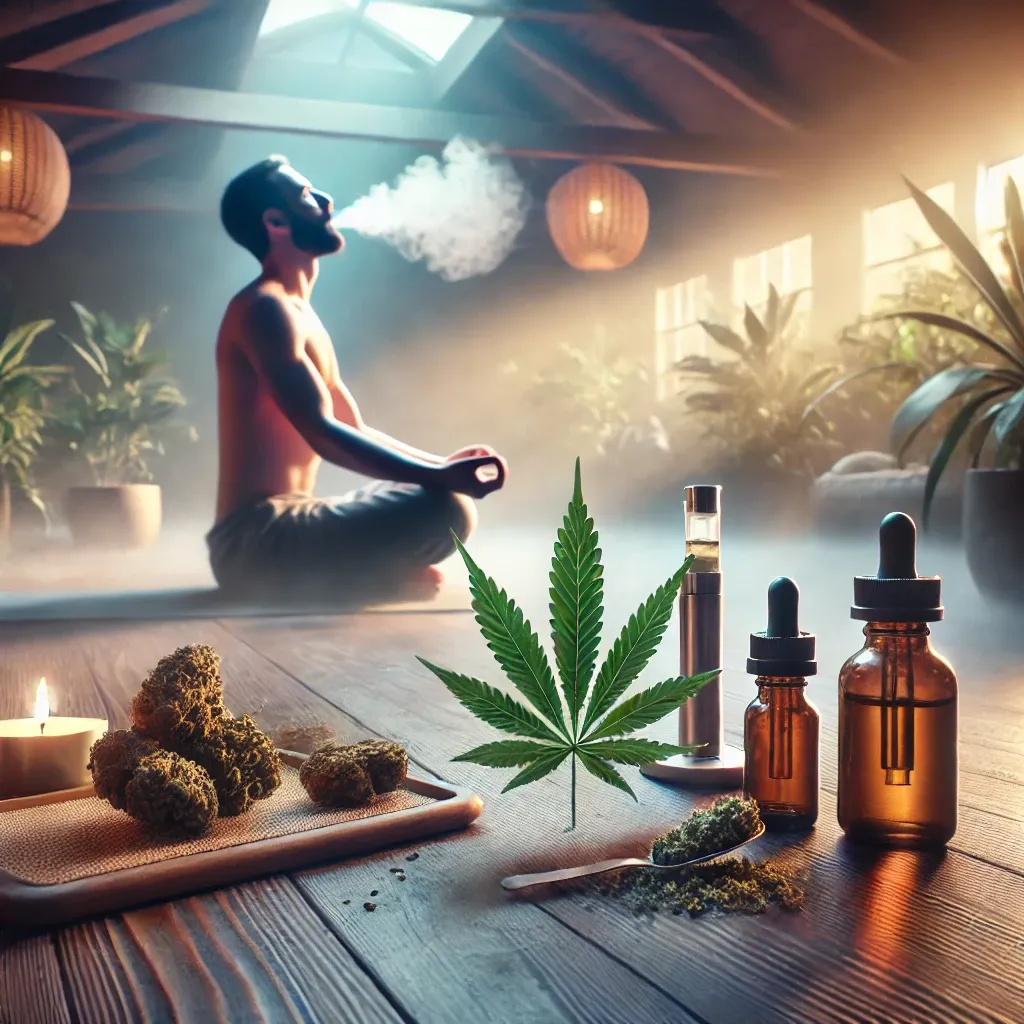
Cannabis can alter the experience of a breath-focused practice, but stronger sensations do not establish better breathing. Heart rate, attention and smoke exposure describe different physiological effects.

The difference between hemp seed oil and CBD, findings from a small human skin study and the role of the complete cosmetic formulation.
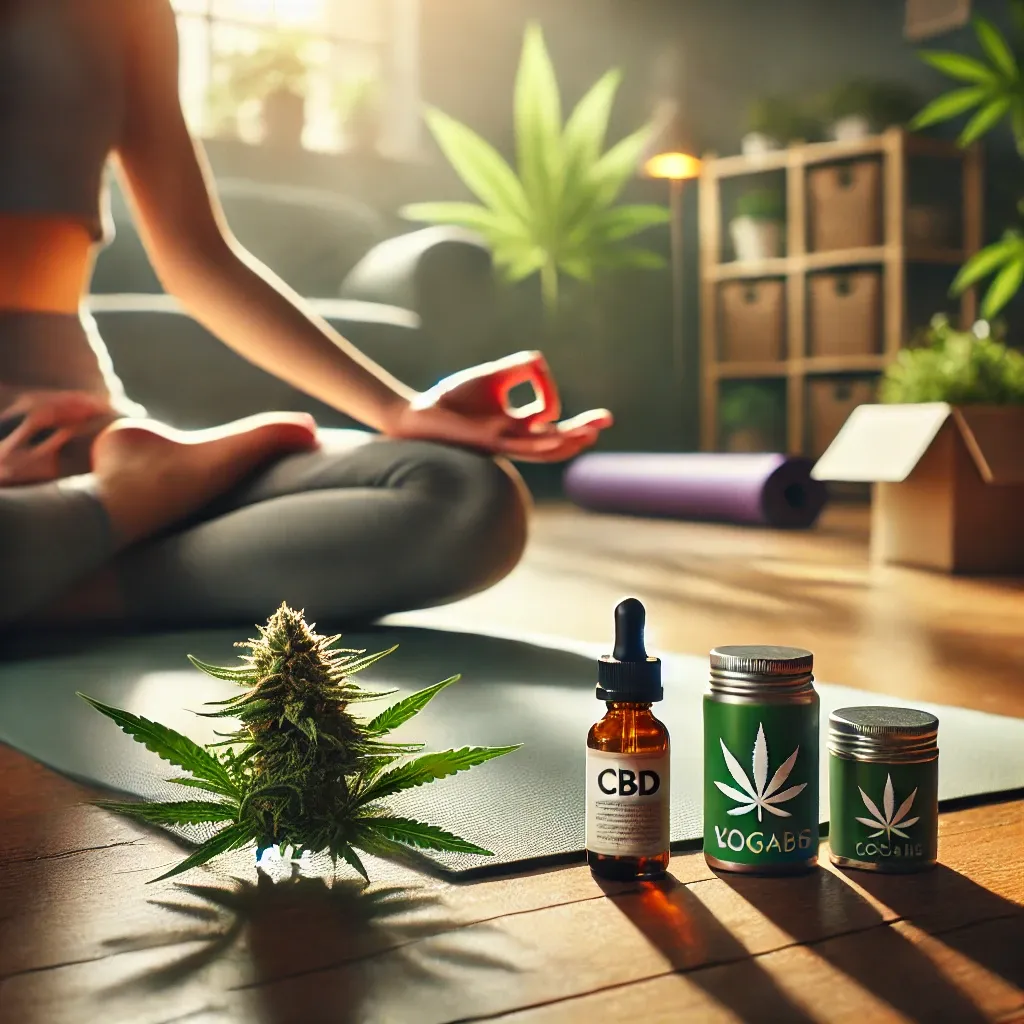
Postures, breathing and attention are the foundations of yoga; cannabis has not been established as a necessary or beneficial addition.

Seizure reduction and relief of certain spasticity symptoms are concrete benefits of specified medicines, with defined patients and monitoring.
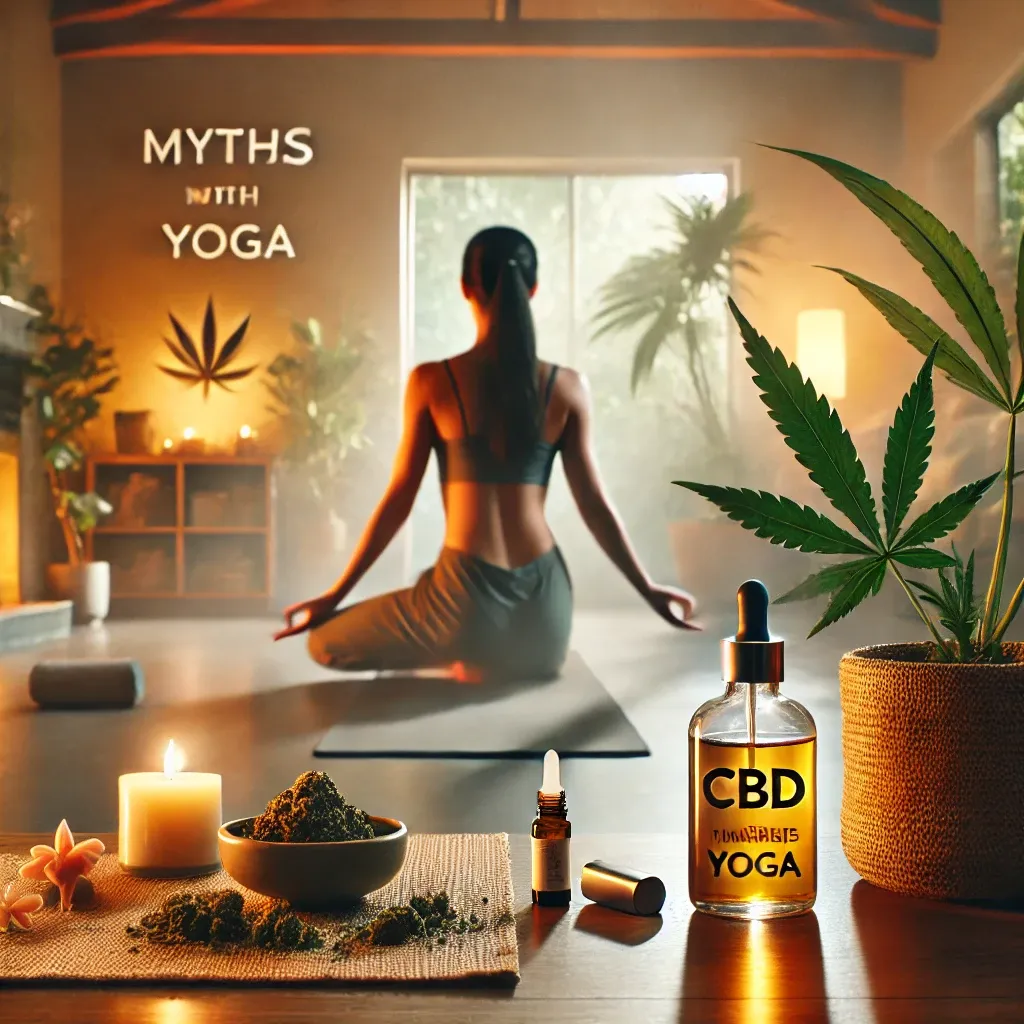
Exercise can change the body’s own cannabinoid signalling; that is different from adding cannabis to a yoga session.

Research has linked cannabis use with reported sexual frequency and orgasm satisfaction, but these are different outcomes and neither proves a treatment effect.

Attention, memory and self-evaluation can move in different directions after cannabis use.

Music, drawing and games make different demands. Cannabis studies show why wanting to engage, enjoying an activity and performing it well should be considered separately.
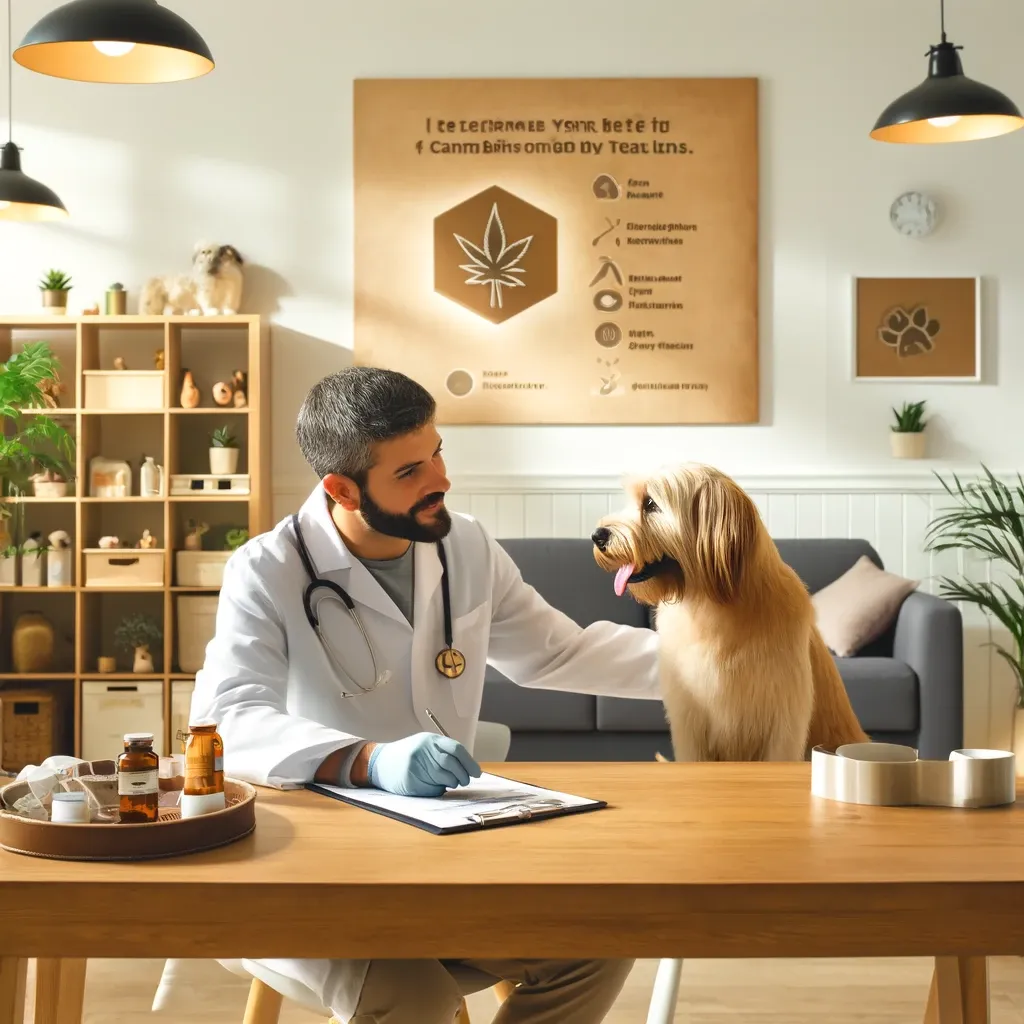
Trials in canine epilepsy and osteoarthritis provide specific findings about CBD preparations. They do not make human cannabis products interchangeable with veterinary treatment.
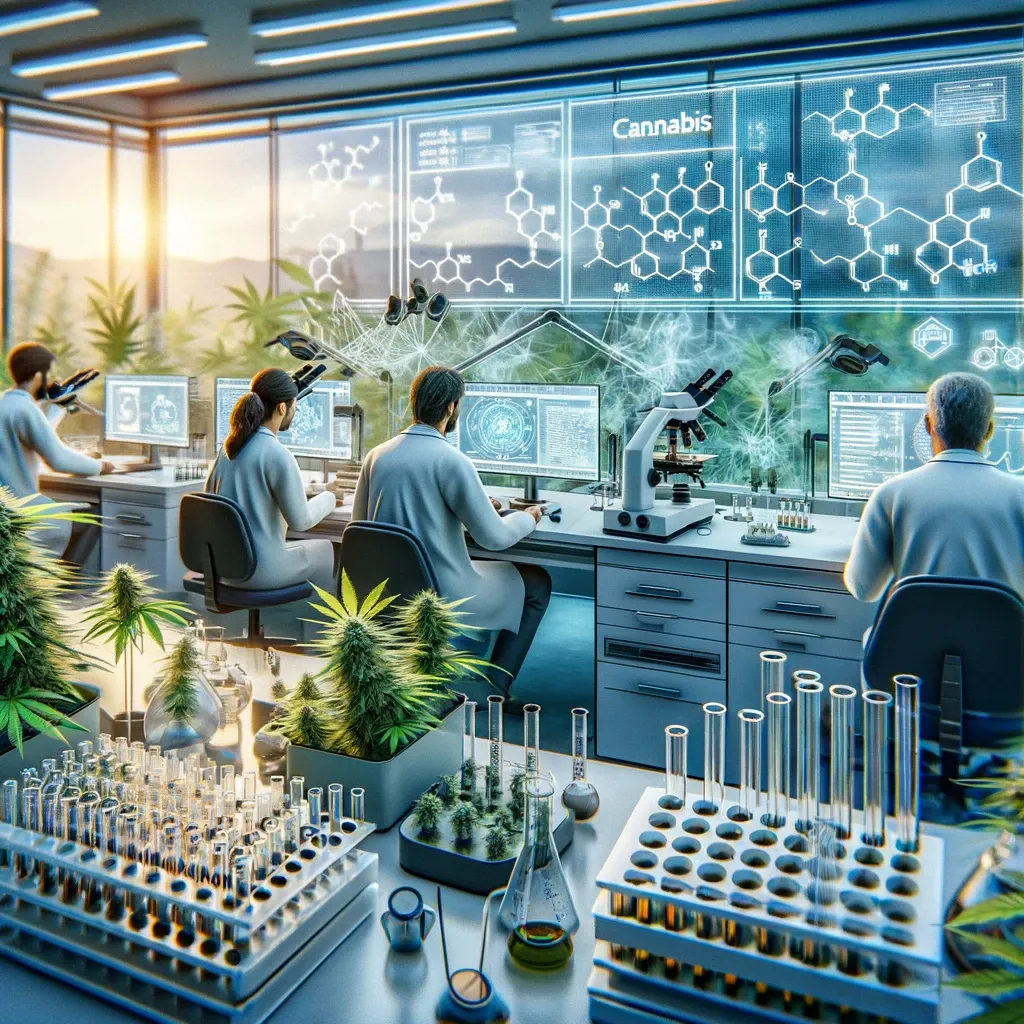
Spain’s medical framework combines authorised medicines with a regulated route for standardised magistral formulations. Patient outcomes depend on the condition, preparation and follow-up—not the plant’s name alone.
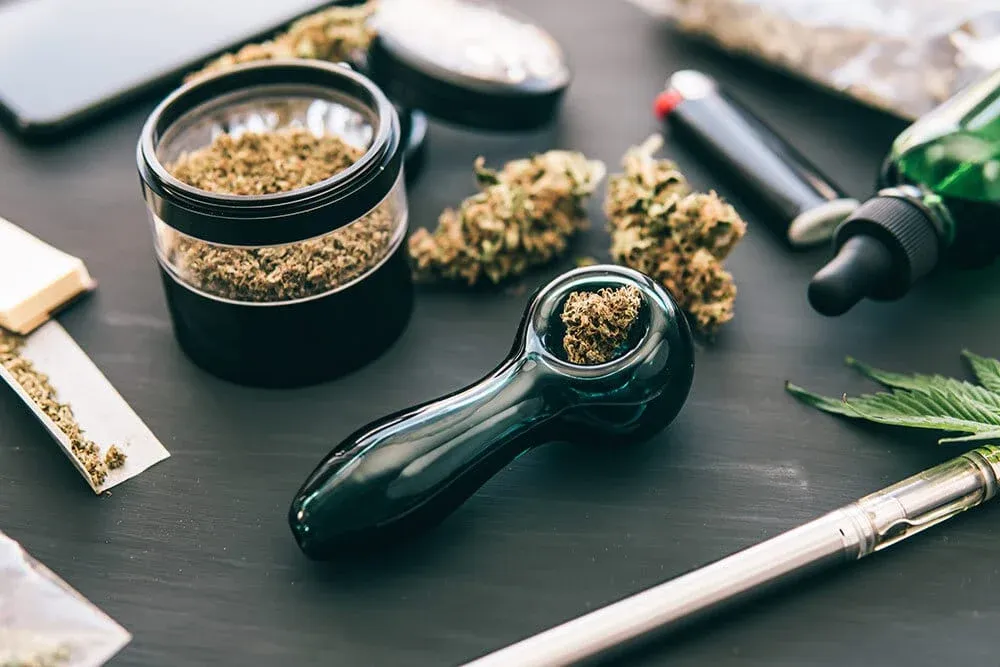
Papers, pipes, water pipes and vaporisers belong to different device categories. Their appearance or smoothness does not establish the composition of an exposure or a health benefit.
What controlled exercise studies show about THC, perceived effort, CBD and the 2026 anti-doping rules.

Why evidence about cannabinoid medicines for spasticity does not establish greater flexibility in yoga.
How to distinguish hemp foods, CBD cosmetics and regulated cannabinoid medicines behind wellness claims.

Four concrete developments shaping cannabis research and regulation, from laboratory reference material to clinical outcomes and environmental accounting.

The 2024 position on authorised cannabinoid medicines and the proposed standardised-preparation framework, with later developments clearly dated.
How overlapping chemical signals, reference materials and laboratory comparisons shape the reliability of cannabis testing.
A botanical explanation of flower clusters, bracts, stigmas and the glands that produce cannabinoids.
Research on genetics, aromas and laboratory measurement explains the limits of familiar cannabis categories.
What two digital diaries record, how their reports differ and what app-based research has found.
Anandamide, mood and movement: how the body’s cannabinoid signalling relates to yoga, and what an exercise study actually found.
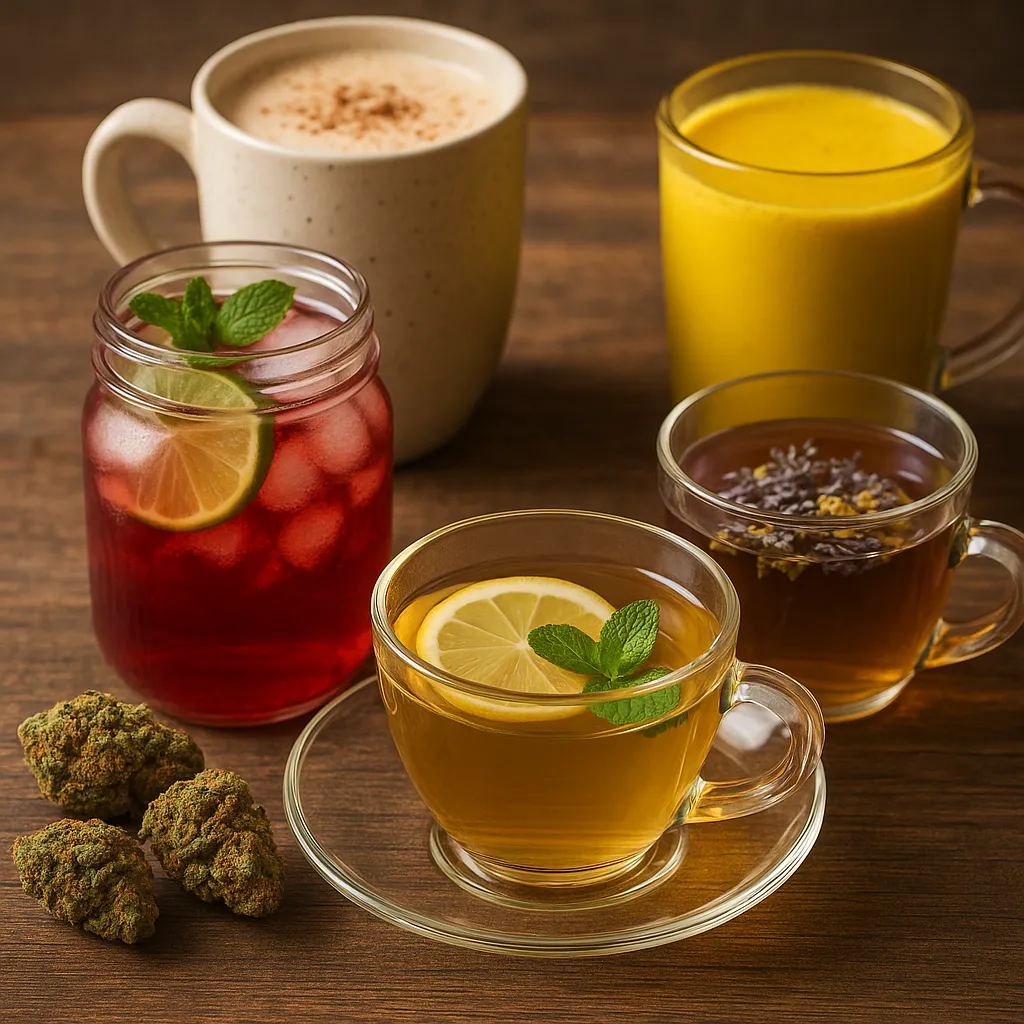
A hemp-leaf infusion is not the same as a CBD drink or an intoxicating beverage. Spain’s food guidance and new EU rules distinguish their ingredients and risks.

Attention, body sensations and coordination can change independently. Research on mindfulness and cannabis explains why that distinction matters during movement.
Human CBD trials and canine stress research show why anxiety, worry and physical arousal need separate answers.

What Spanish nap research and cannabinoid sleep trials actually show about rest, sleep quality and next-day function.

CBD research in canine epilepsy and osteoarthritis shows why diagnosis, existing treatment and follow-up belong together.

THC can alter stress, time perception and attention, with effects that do not always move in the same direction.
The 2025 decree and 2026 AEMPS monograph define a specialist and hospital-pharmacy pathway for particular refractory conditions.
What a THC-containing syrup is, why its effects are delayed and how it differs from an authorised medicine.

Why seed foods, CBD supplements and authorised cannabidiol medicines have different evidence and regulatory requirements.
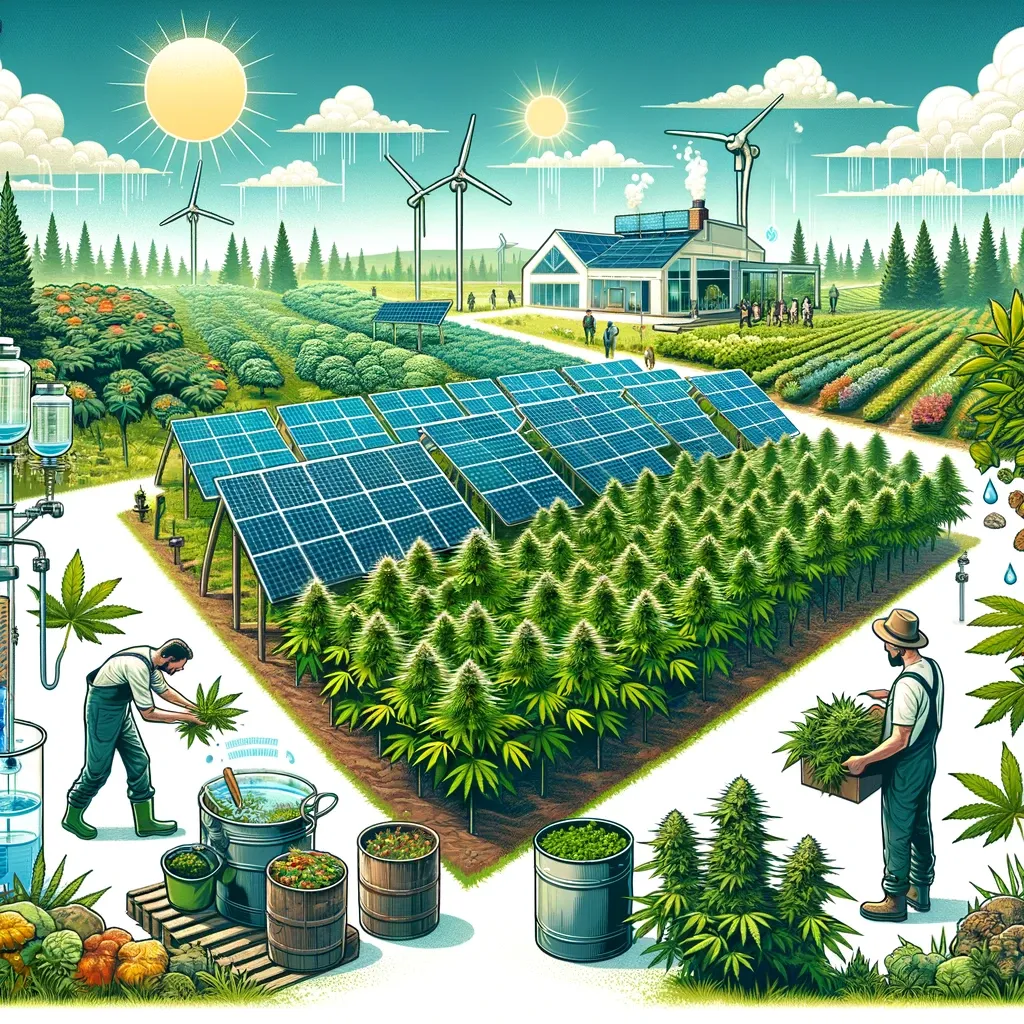
Environmental research shows why production systems and local conditions determine the footprint.
Recent studies reveal changing cell activity, metal particles and the sources of measurement error.
No matching articles. Try another search.