
Policy
↗Cannabis law in Spain: public possession, private use and medicines
Spain separates public-space sanctions, criminal supply offences, association rights and a hospital-based medicinal framework.

Stories and explainers about cannabis in Spain: associations, law, research and culture.
Articles found: 192
Spain separates public-space sanctions, criminal supply offences, association rights and a hospital-based medicinal framework.
The general assembly, accounts, discipline and statutes give association membership a legal meaning beyond a card or house rules.
A landmark Dravet syndrome trial found fewer convulsive seizures with purified CBD, alongside adverse effects. The finding concerns a defined treatment and condition.
Europe’s cannabis reforms use different institutions: associations, licensed non-commercial cultivation and a controlled supply experiment.
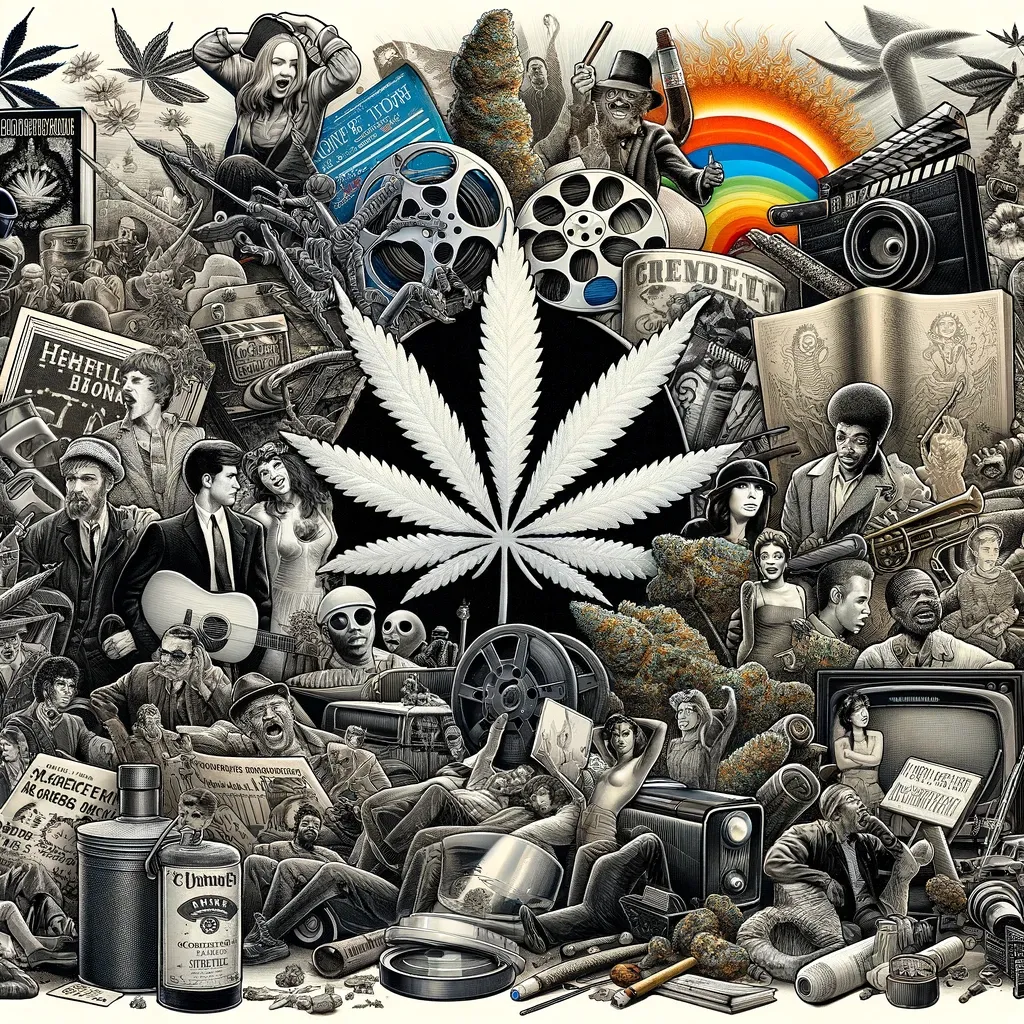
A nineteenth-century literary essay and a twentieth-century warning film gave cannabis very different dramatic roles.
Spain now has a defined framework for standardised cannabis preparations and a published oral-solution monograph, with hospital prescribing and follow-up.

Contact details for Valencia associations, with the organisational rights that distinguish a member from a retail customer.

Three research approaches explain why creative confidence, personality and measured performance can point in different directions.

Shared food, conversation and everyday greetings explain more about social life than the idea of one national routine.
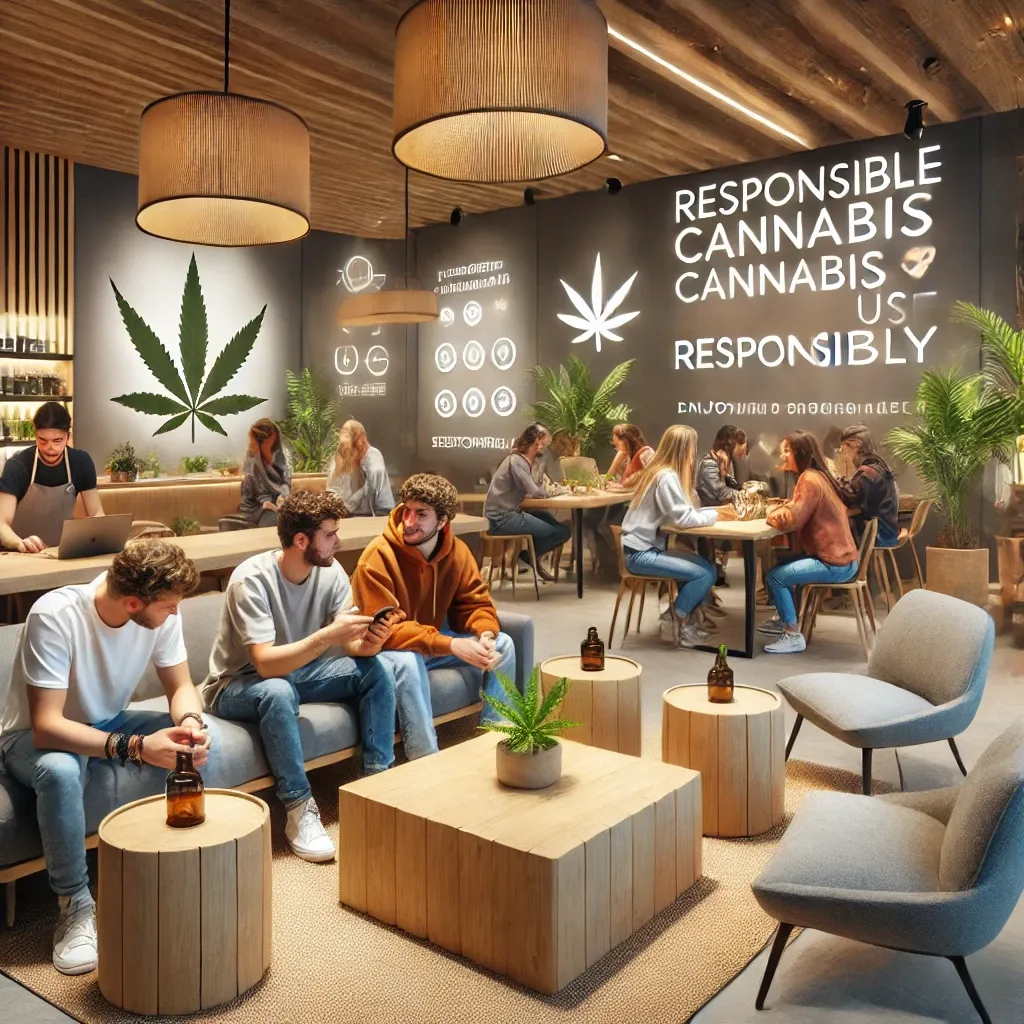
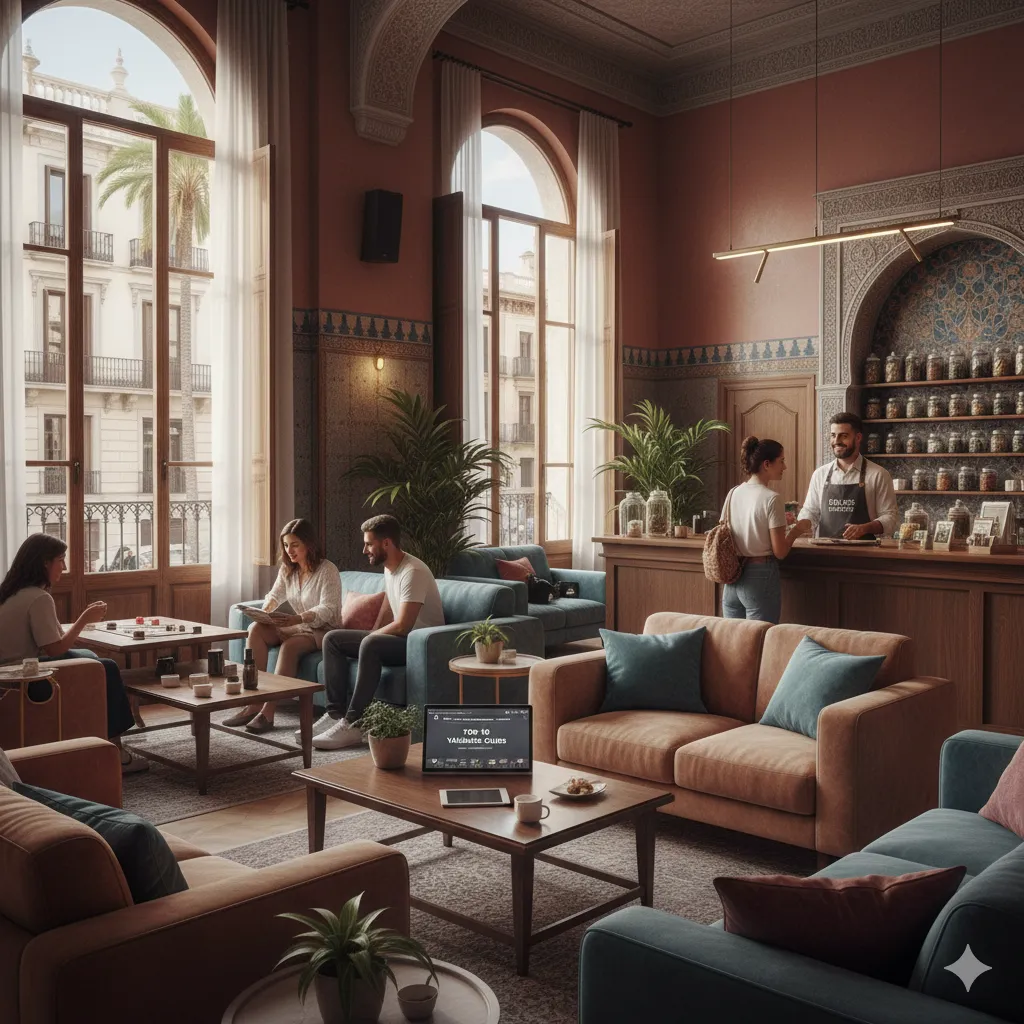
Repeated membership and collective governance explain the social dimension of associations more precisely than a lounge photograph.
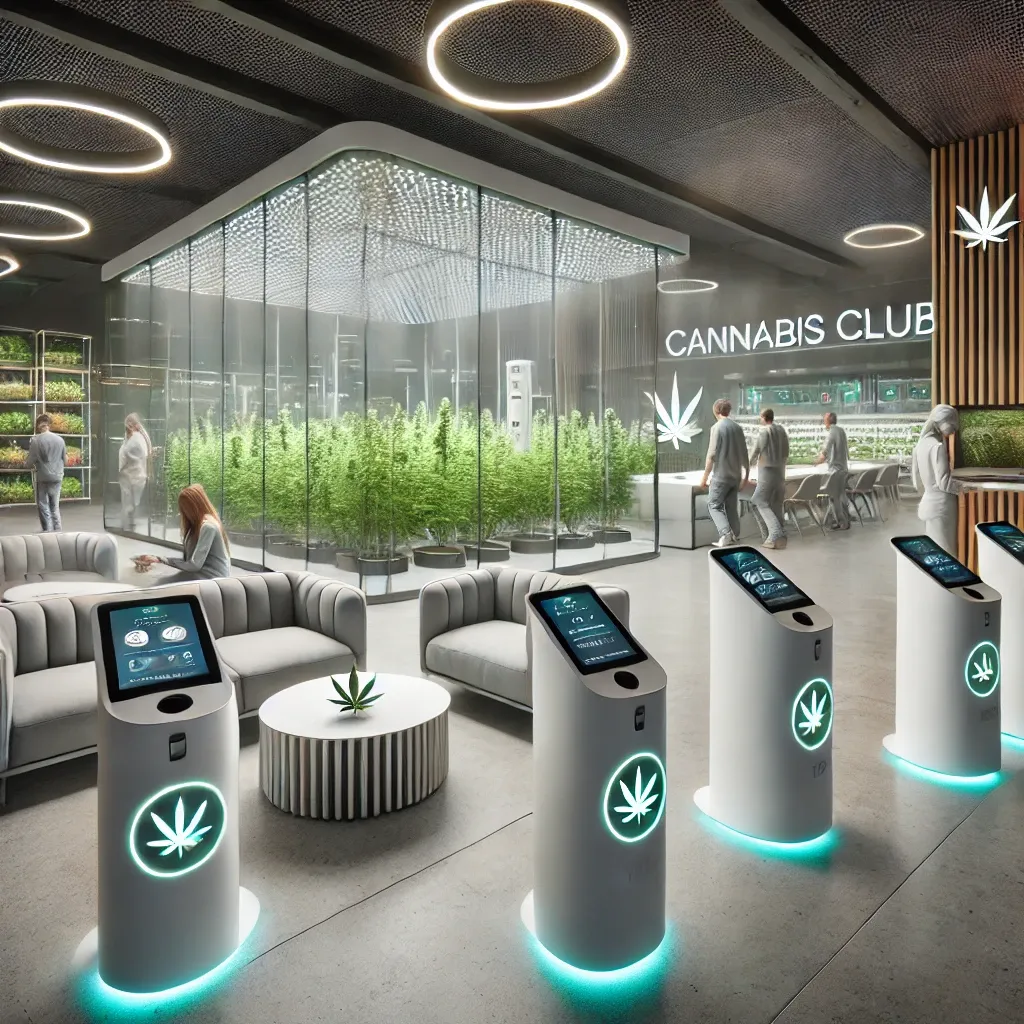
A digital system can organise association records, but identities, accounts, communications and biometrics require different controls.
Barcelona’s club debate combines public health, neighbourhood commerce and competing ideas about regulation. Council records and member research show where the disagreement lies.
Catalonia’s 2017 law, its 2018 annulment and Barcelona’s later council debates show how club culture became an institutional question.

Chemical residues connect cannabis to two ancient ritual settings, while leaving the participants’ experiences and medical purposes unresolved.
A comparison of association governance, retail licensing, regulators and product testing in Spain and California.

CBD’s legal position follows the product category. A court ruling about free movement does not replace food authorisation or medicine rules.

How THC changes time perception and attention during meditation, with results from controlled experiments and a clear explanation of yoga’s mental demands.

A concrete guide to Valencia’s association register, member rights, municipal premises rules and the separate national rules on cannabis.
From Barcelona’s early associations to Catalonia’s annulled 2017 law: the institutions and disputes that shaped Spain’s cannabis-club model.

Two documented routes into policy: Catalonia’s La Rosa Verda initiative and patient testimony in Spain’s medical-cannabis hearings.

Ten films show how cannabis became a warning, a comic device, a marker of friendship and a subject for documentary argument.

Área 51, Alice, Kritical, Riff, Casper, SOLO and Next Level: the names and correspondence details recorded in the 2023 Valencia directory.
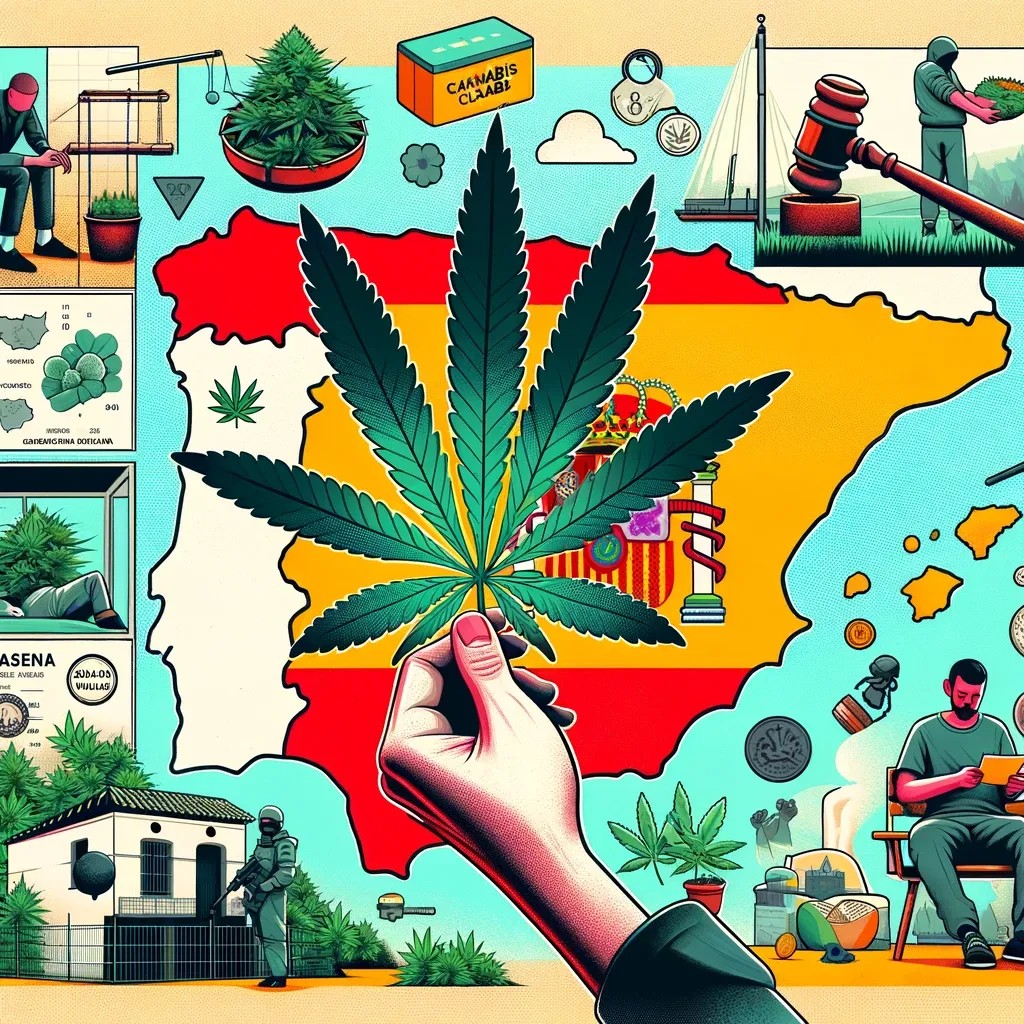
The legal distinction behind common cannabis searches: personal use, public possession, supply offences and regulated medicines.
How registered identity, statutes, member rights and data protection fit together inside Spain’s cannabis-association model.

The practical legal distinctions for travel in Spain, including the AEMPS rules for carrying prescribed cannabis medicines.
What Spain’s government actually proposed in 2024, how it differed from Germany’s association law, and what followed in 2025.

An illustrative day shows the ordinary governance work behind a Spanish cannabis association: accounts, complaints, privacy and collective decisions.
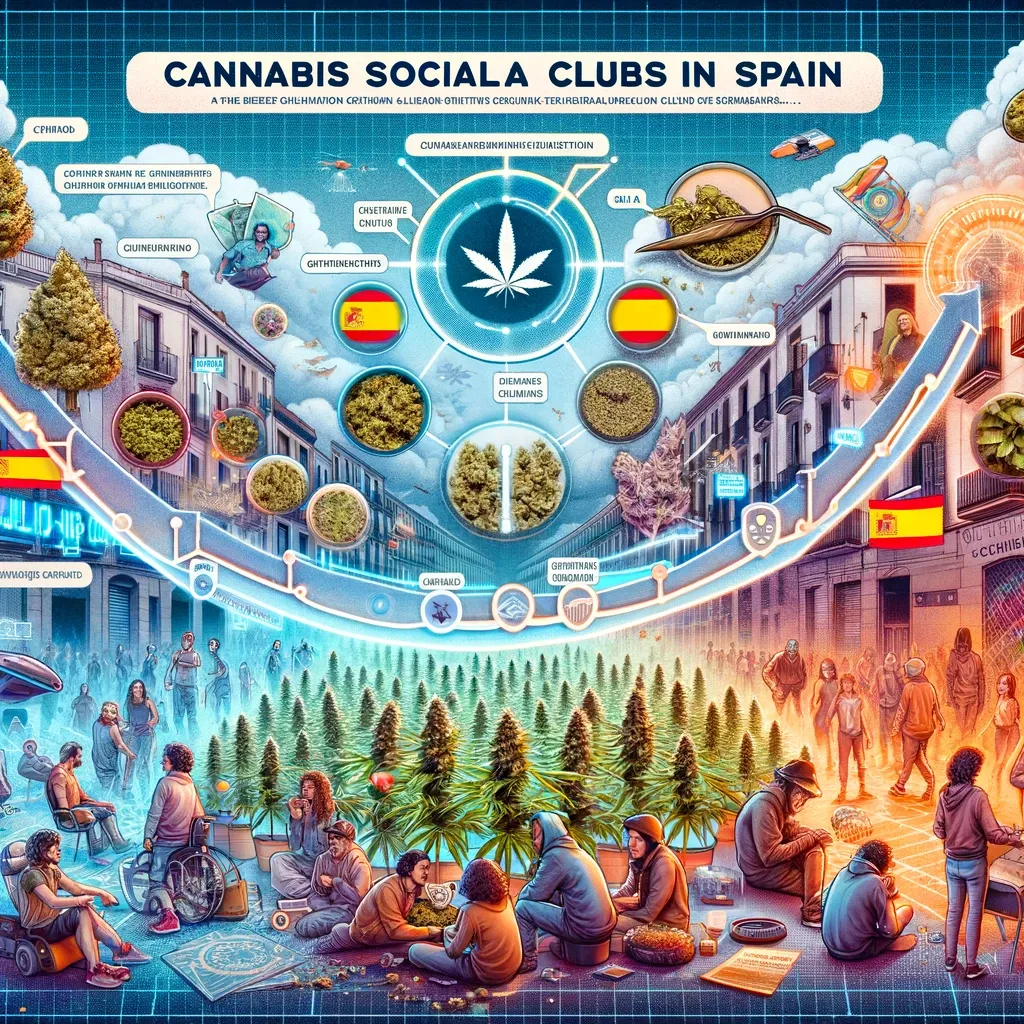
Spain’s associations face choices about national authorization, medical separation and noncommercial governance, illustrated by Germany and Malta.

Turia gardens, urban beaches, streets and private premises fall into different everyday settings, but Valencia has no general outdoor cannabis exemption.
What a canine osteoarthritis trial found, why CBD and THC are different veterinary questions, and how accidental cannabis exposure presents.

A cultural portrait of Holy Week, with Valencia’s 11–20 April 2025 celebrations and the distinctive settings of three other Spanish cities.
What non-profit status actually means, how association finances work, and why a member-based organization differs from a retail business.

From Sinterklaas to Reyes, different holiday calendars and different social institutions shape the comparison between Dutch coffeeshops and Spanish cannabis associations.
Spanish cannabis associations set their own dues and budgets. The useful comparison is between membership obligations, collective finances and the legal powers of each institution.

Hemp seeds, seed oil and cannabinoid extracts serve different purposes. Their composition explains both culinary uses and the food rules that apply in Spain.
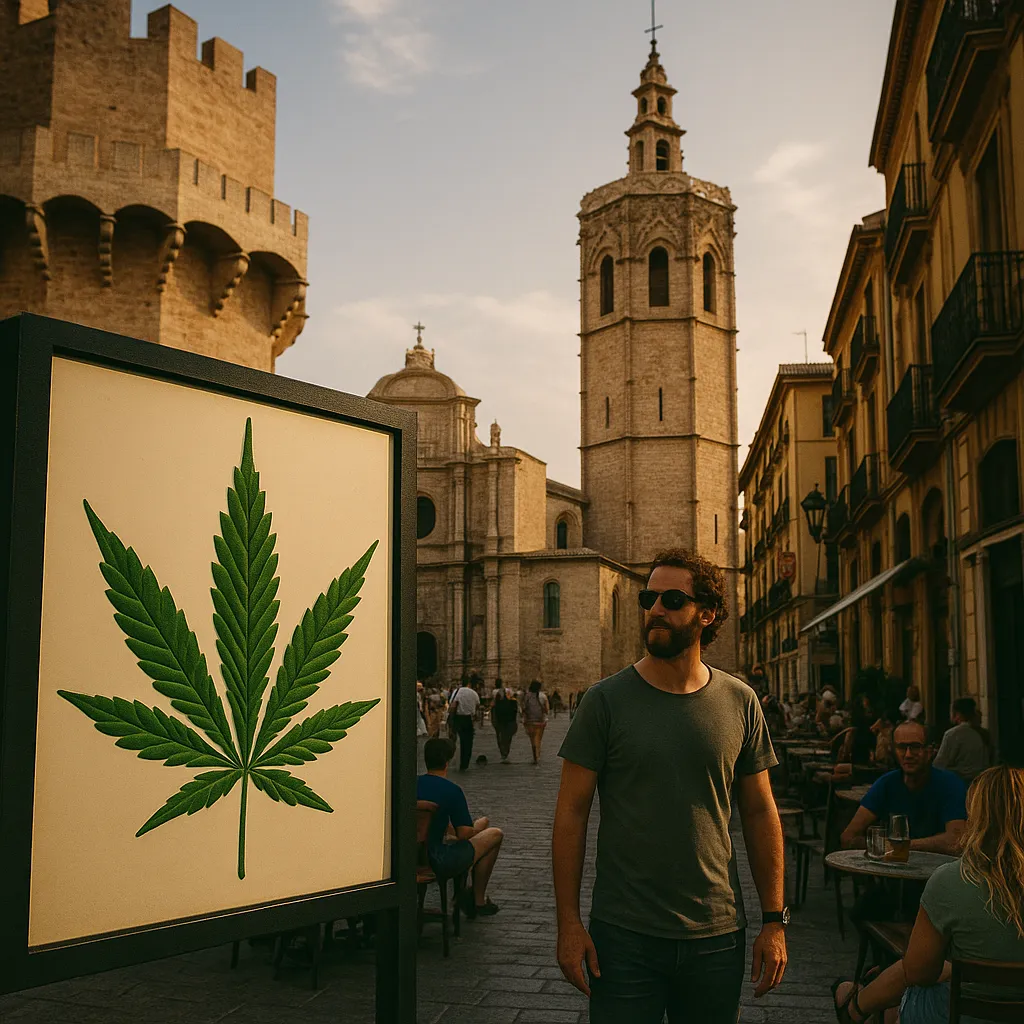
Ciutat Vella brings together Roman foundations, the Silk Exchange and a working food market. These places explain the city that surrounds its modern cannabis associations.

In 2025 Valencia’s cannabis associations operated within national association, criminal and public-security laws. October brought a separate change in medicinal preparations.
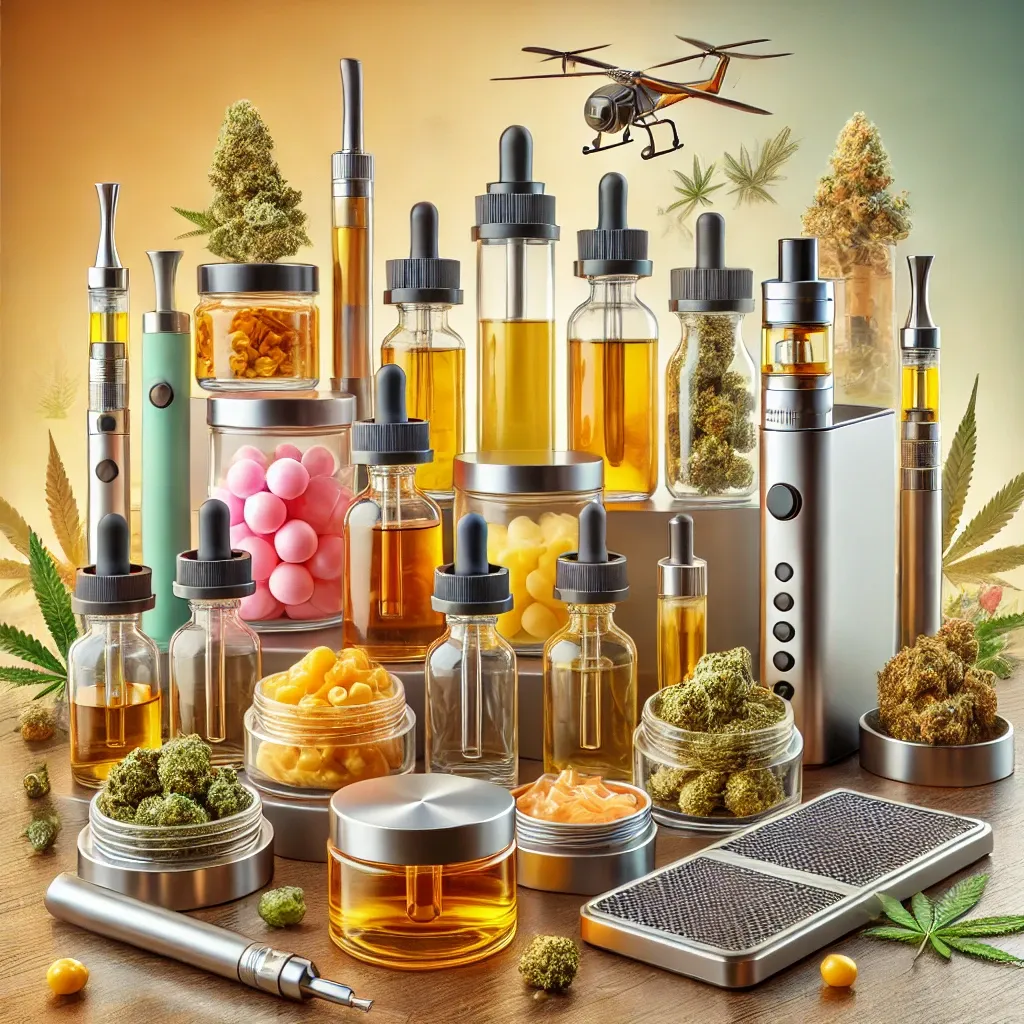
A vaporizer’s output depends on the material, additives and device components. Research on metals and the 2019 EVALI outbreak shows why THC percentage is only one measurement.

An association’s environmental footprint includes energy, materials and travel. The 2025 sustainability debate becomes concrete when these different sources of impact are separated.
Spain, Germany, Malta and Uruguay all have associations linked to cannabis, but their legal purpose, oversight and scale differ substantially.

Archaeology at Arad and Smithsonian documentation of Rastafari show two concrete religious settings. The meaning of cannabis comes from ritual and belief as well as bodily effects.
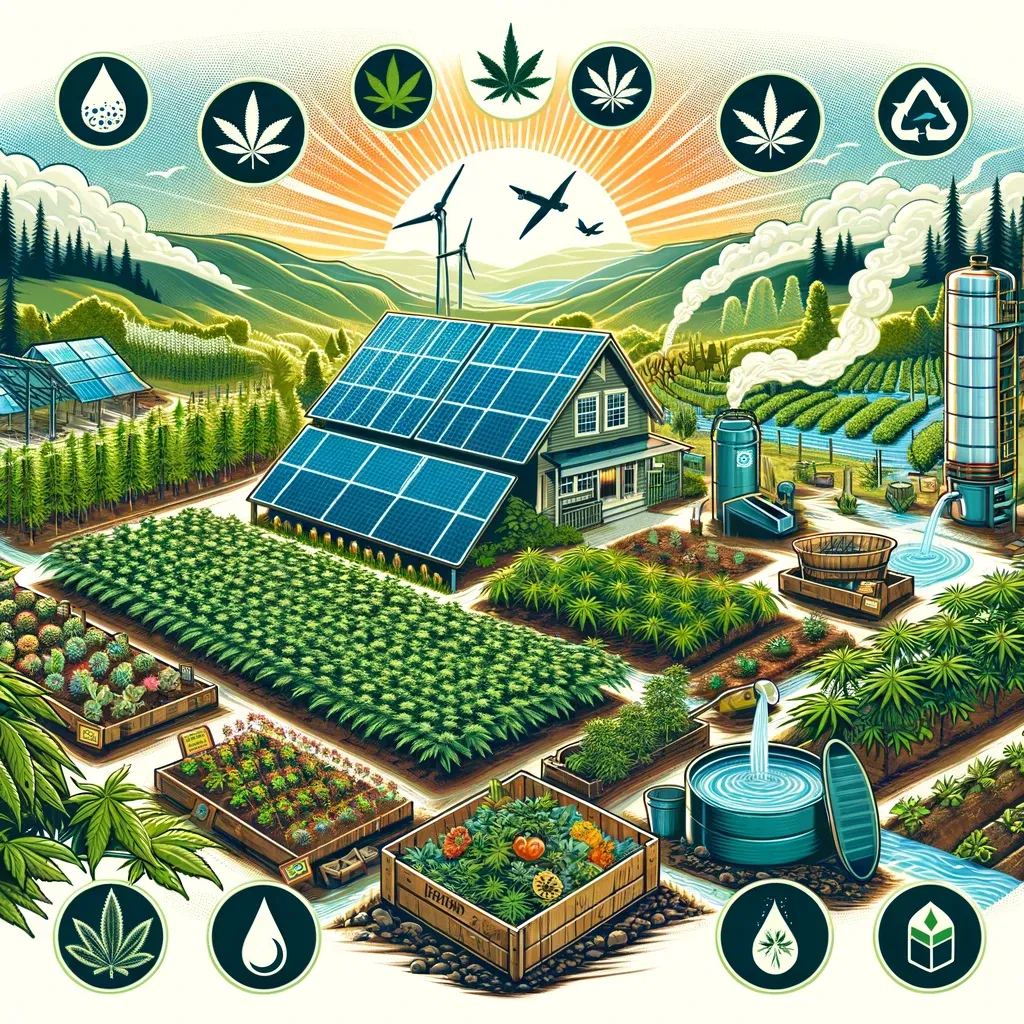
Cannabis production can exchange one environmental burden for another. Energy use, river pressure and the fate of harvested materials explain why location and production system matter.
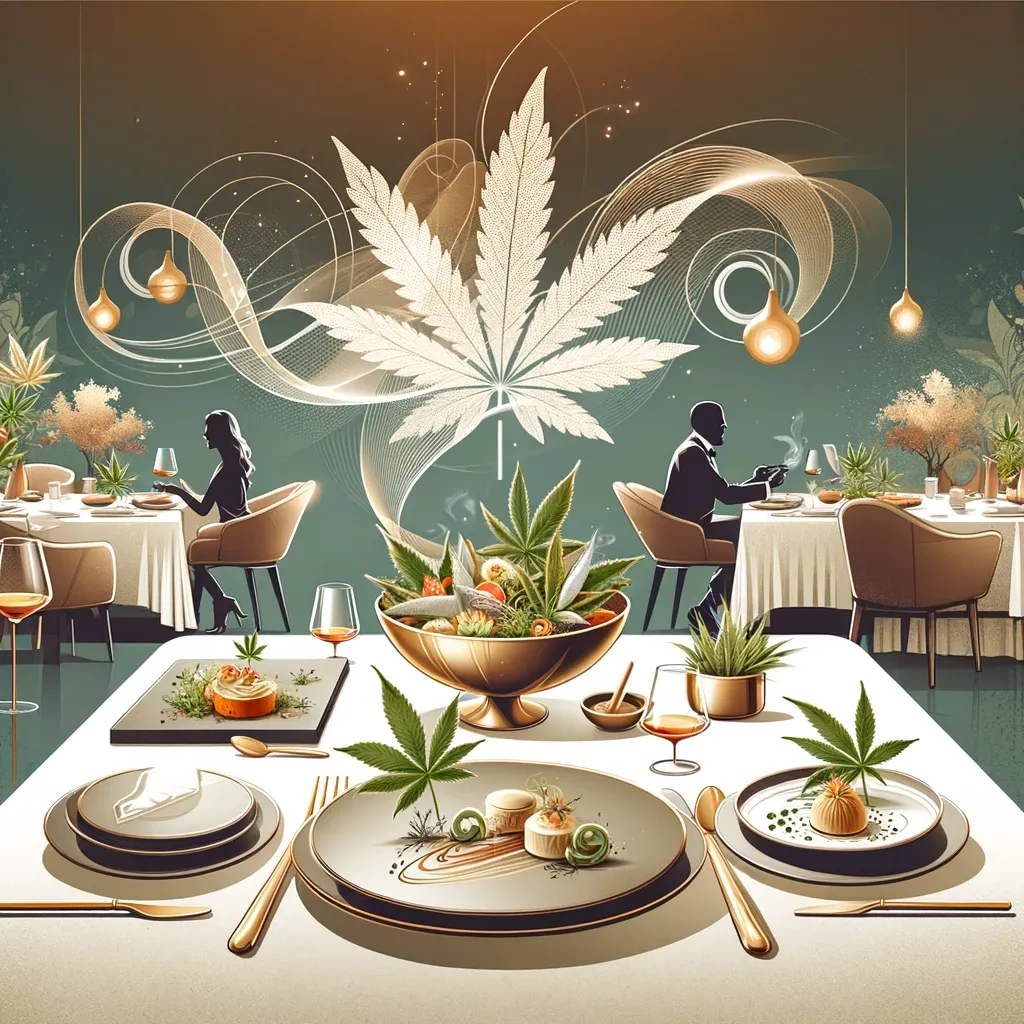
Hemp seeds, botanical flavour and cannabinoid extracts are different ingredients. Spanish food rules attach to composition and claims, even when a menu uses the same cannabis imagery.
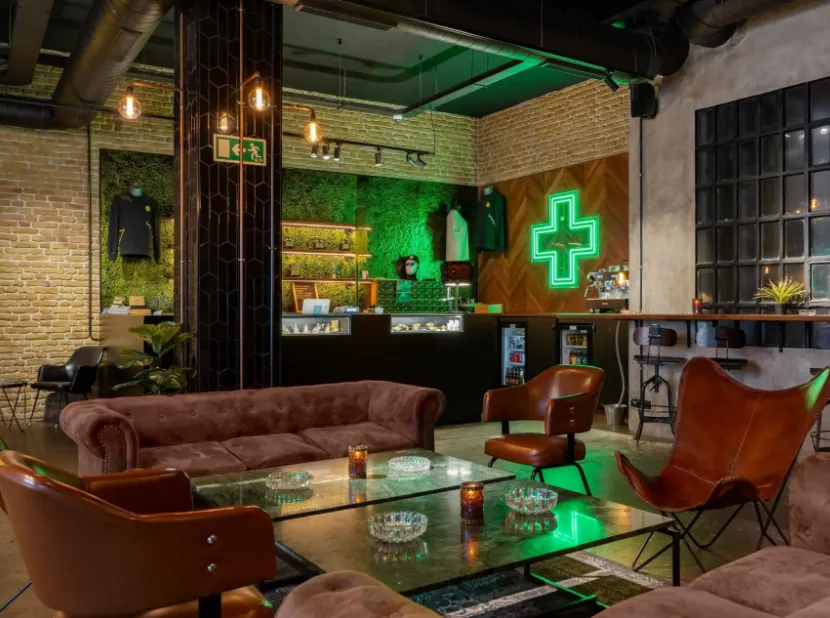
Research on Spanish clubs describes associations as social settings as well as organizations. Their appeal comes from recurring relationships and potential member agency, with substantial variation between clubs.

A chemotherapy trial, two small cannabinoid trials, a pain review and a measurement standard show what research actually added in 2024.
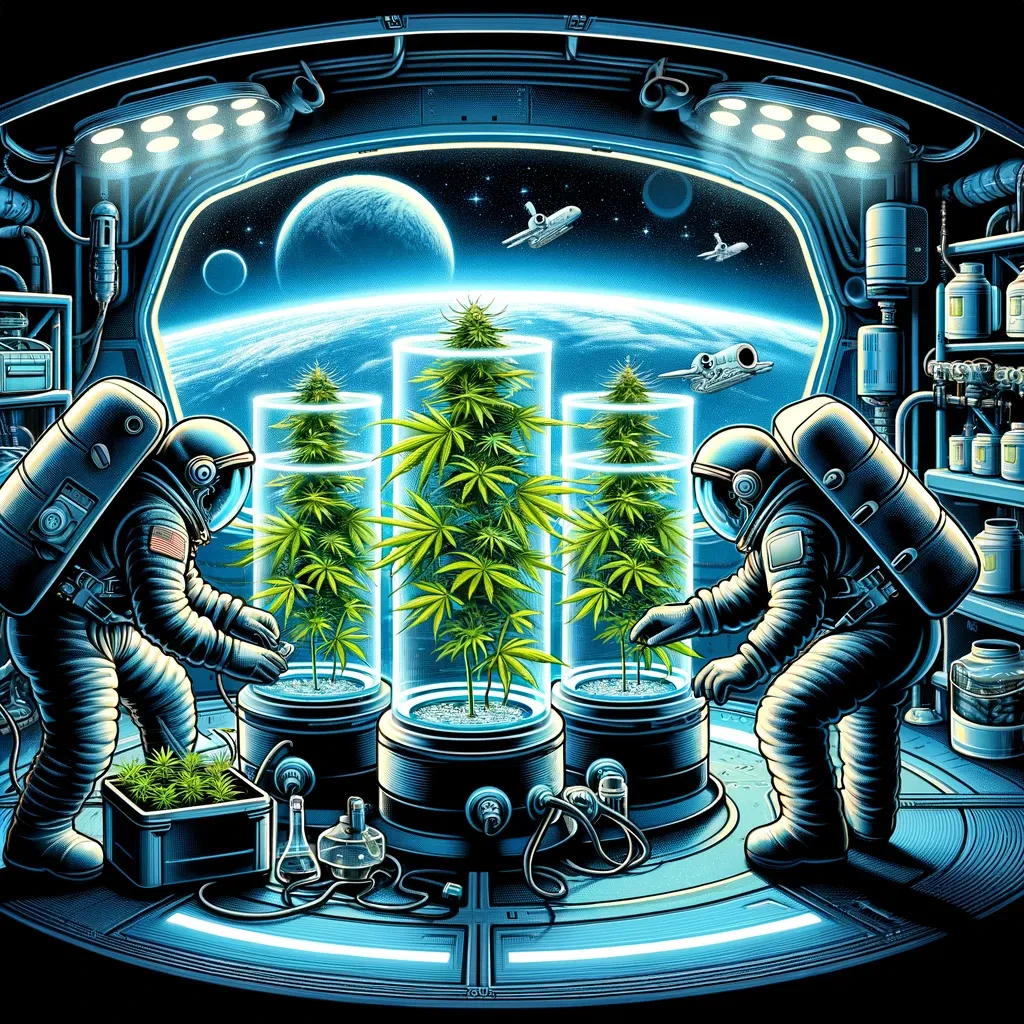
The concrete hemp project involved cell cultures, while NASA’s wider plant programme studies water, roots and biological responses. Space is an experimental environment, not a shortcut to a new cannabis product.

Associations can host conversation and mutual support. Spain’s medicinal framework assigns diagnosis, prescribing, pharmaceutical preparation and monitoring to healthcare professionals.

Spanish association law gives membership a concrete institutional meaning: participation, financial obligations, information, disciplinary protections and the right to leave.
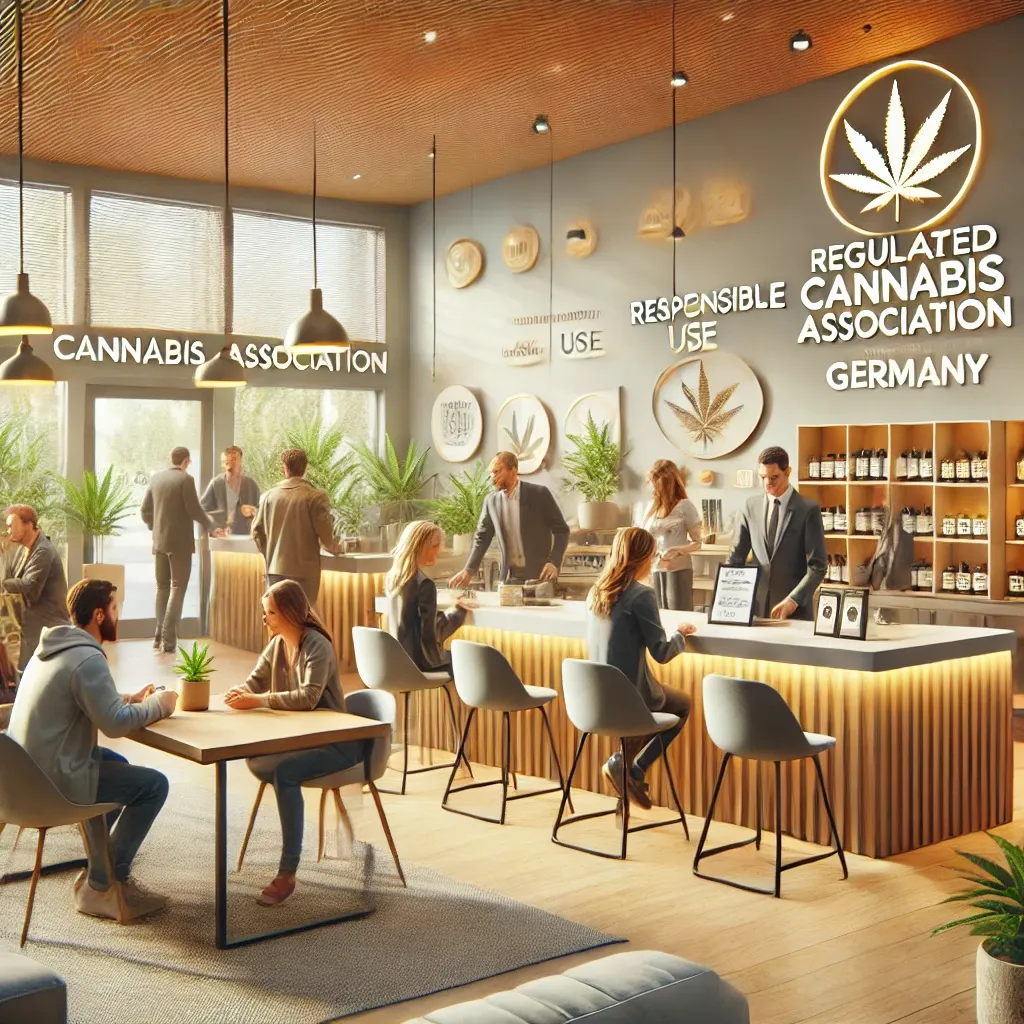
Germany created licensed, noncommercial cultivation associations with prevention duties and state supervision. The model differs from both retail stores and Spanish clubs.
Association membership, product retail and hospital dispensing describe different institutions. The same cannabis vocabulary can conceal those distinctions.
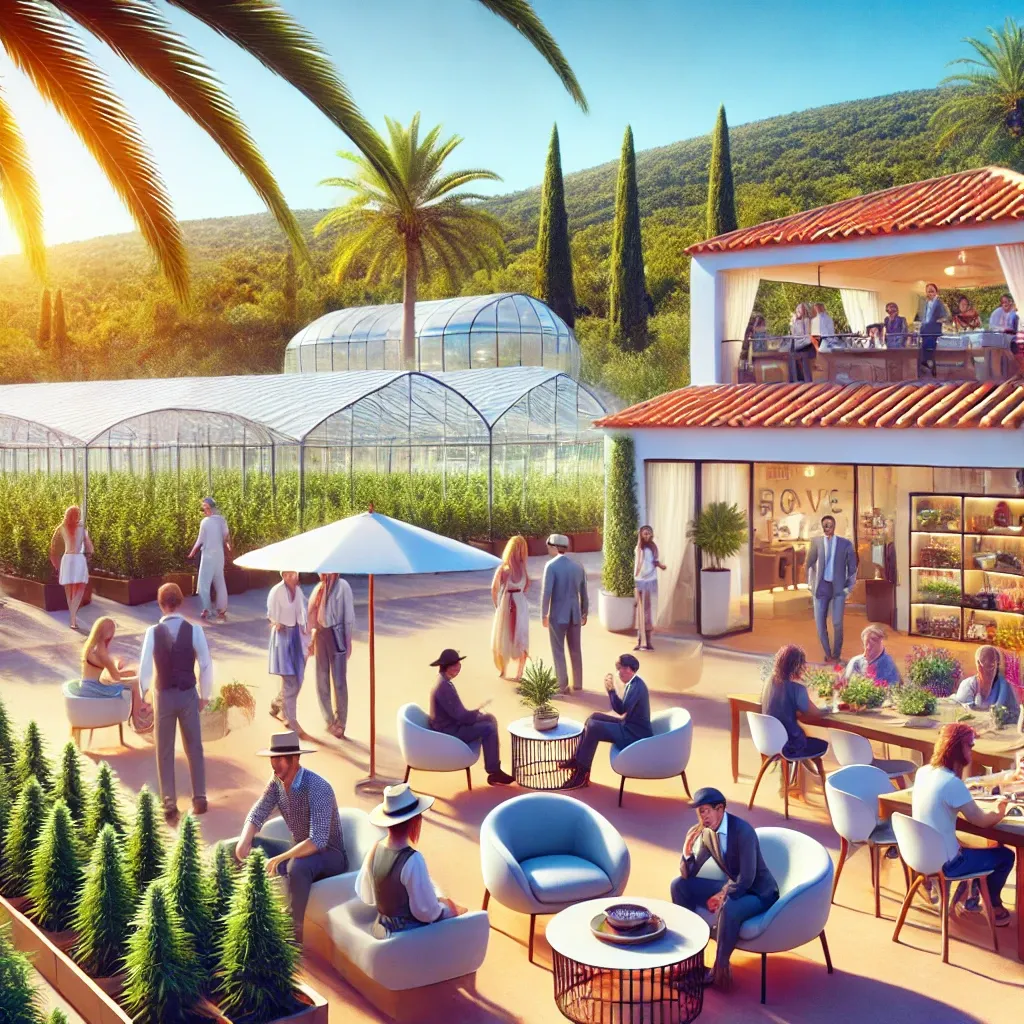
Barcelona and Amsterdam show how cannabis can become a cultural subject for visitors, while fairs create a separate professional travel circuit.
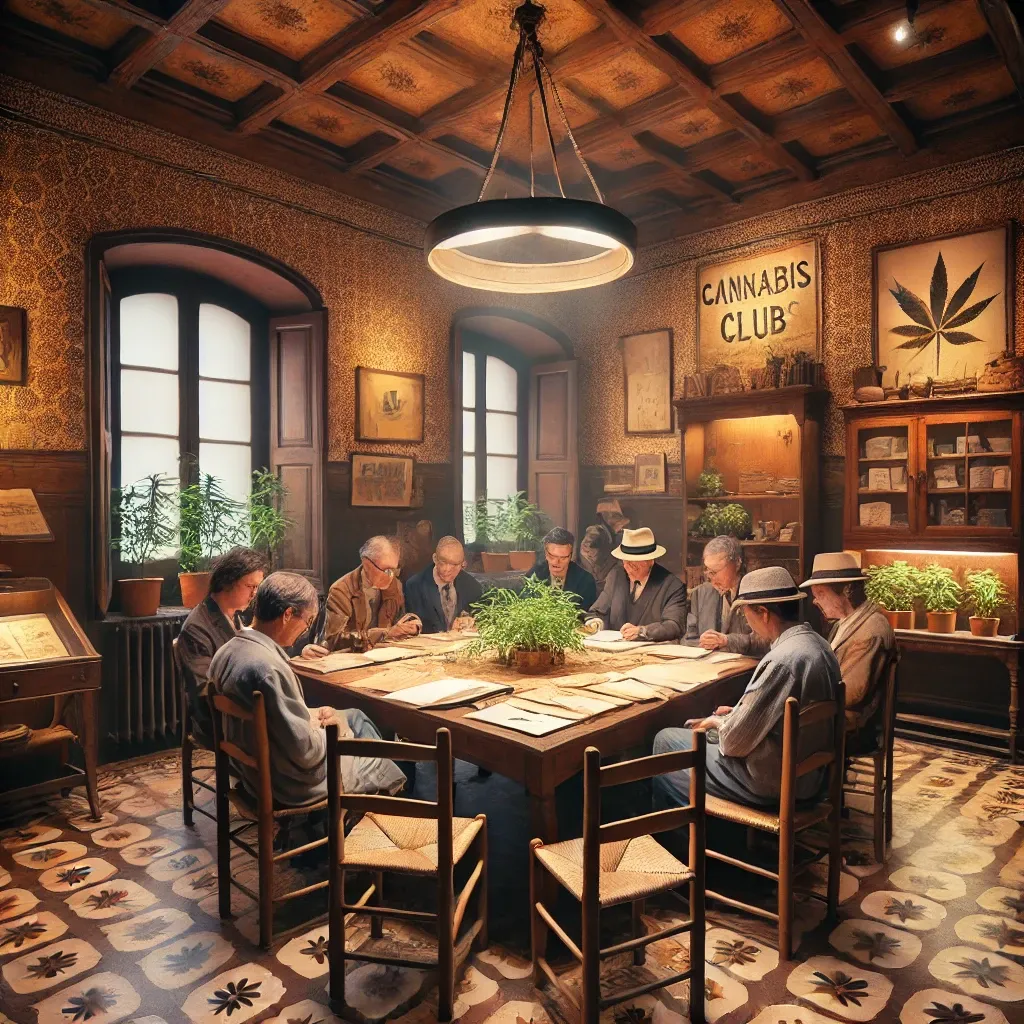
The model grew through association experiments, court cases and legal debate. ARSEC’s 1997 conviction was a turning point, not a national club licence.
A 42-runner study found greater enjoyment but harder-feeling exercise with THC. Recovery claims and competition rules ask different questions.
The major recent development is a hospital-based framework for standardised cannabis preparations. Public-possession rules and association law remain separate.
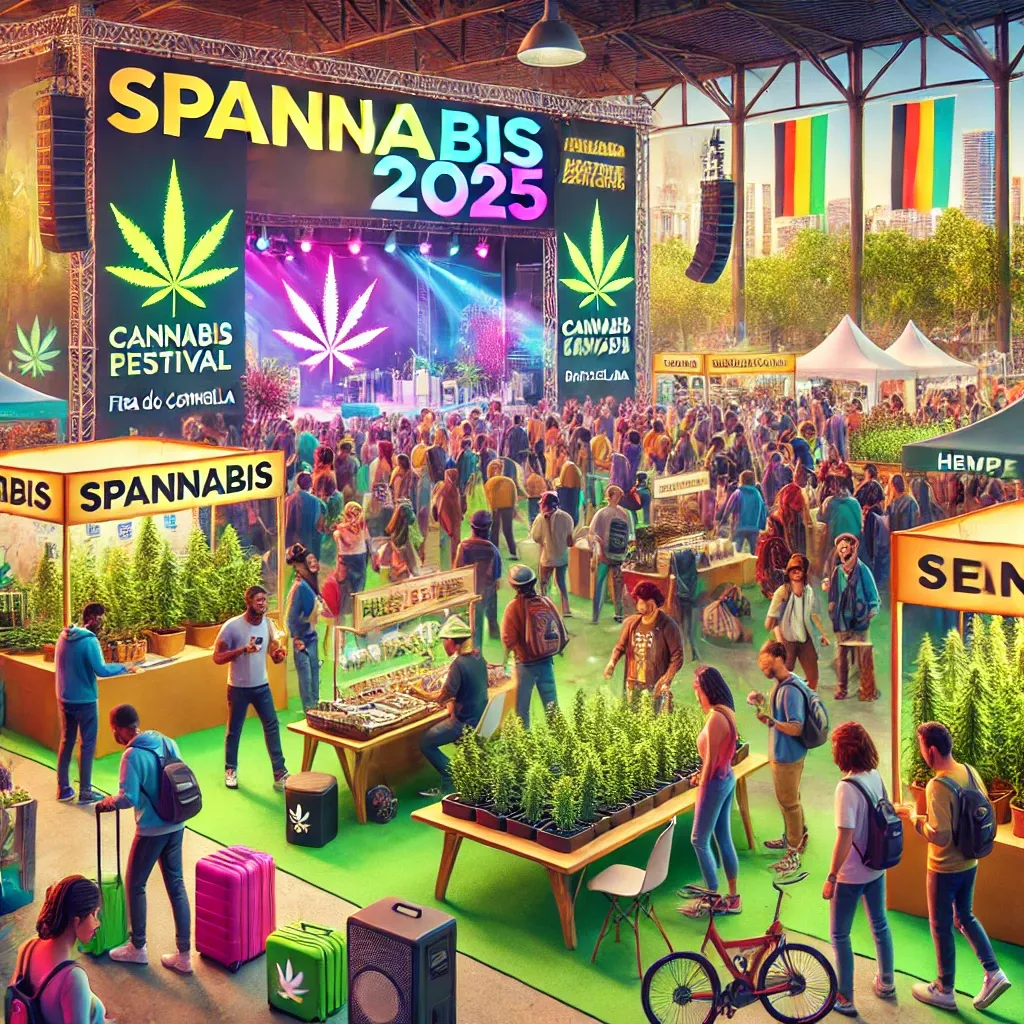
The March 2025 edition paired a three-day trade fair with discussions of cinema, women in the sector, policy and medicinal cannabis.

A yoga trial measured improvement over 12 weeks; a small CBD experiment measured anxiety during public speaking. Their results describe different interventions.

A retreat combines activities and accommodation. Its travel obligations and its health claims belong to different systems.
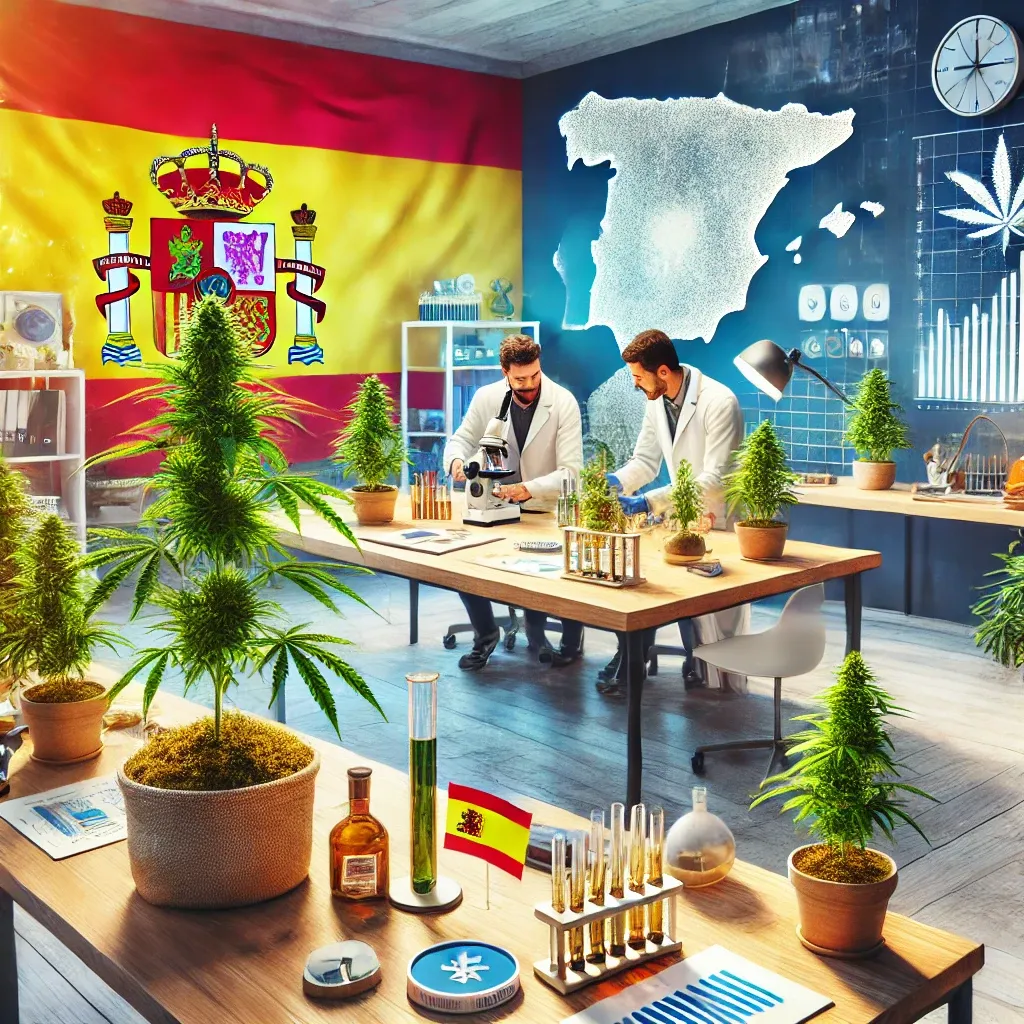
UCM’s 2026–27 medicinal-cannabis research master’s combines chemistry, pharmacology, therapeutic research and law, with half its 60 credits devoted to a final project.

Five fictional holiday scenes about a missing key, an old poster, a stubborn radio, a borrowed chair and an unexpected visitor.
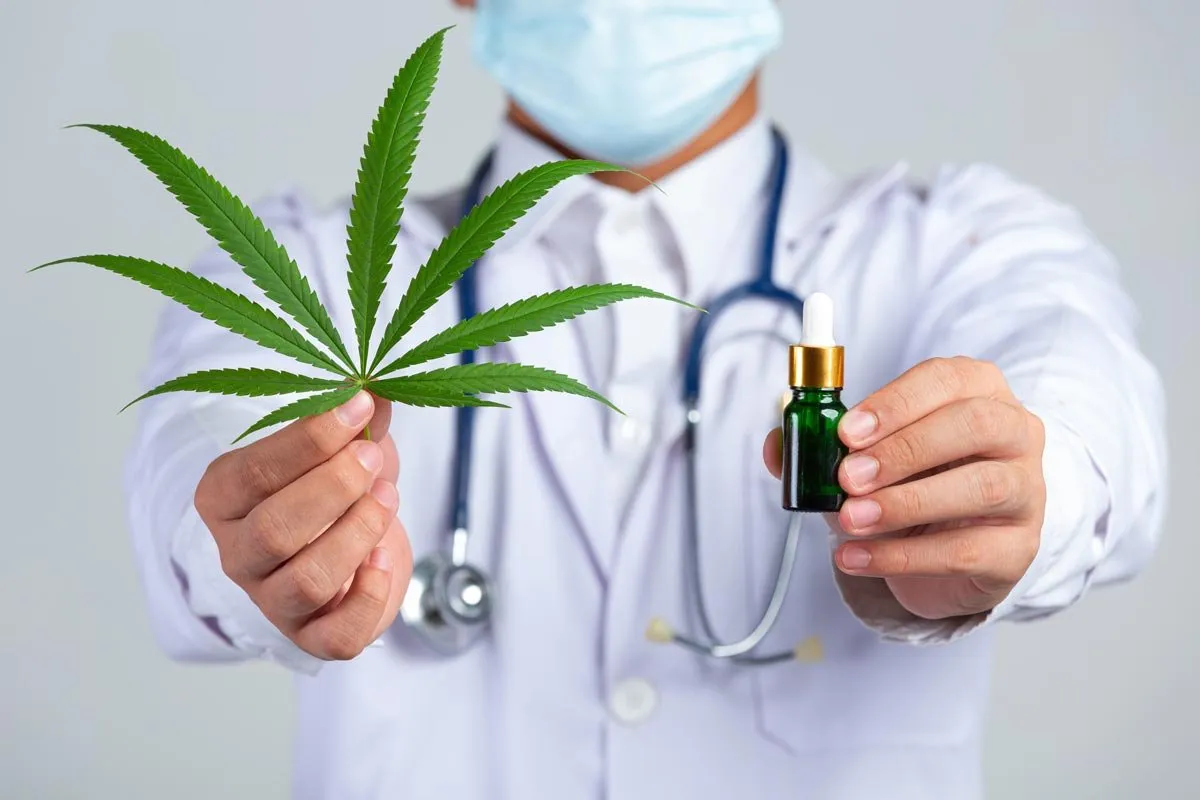
Cannabinoid medicines can reduce particular symptoms in defined conditions. Sativex and Epidyolex illustrate different ingredients, patients and treatment goals.
Public possession can lead to an administrative case even without trafficking. Spanish law separates the police report, proposed sanction and final decision.
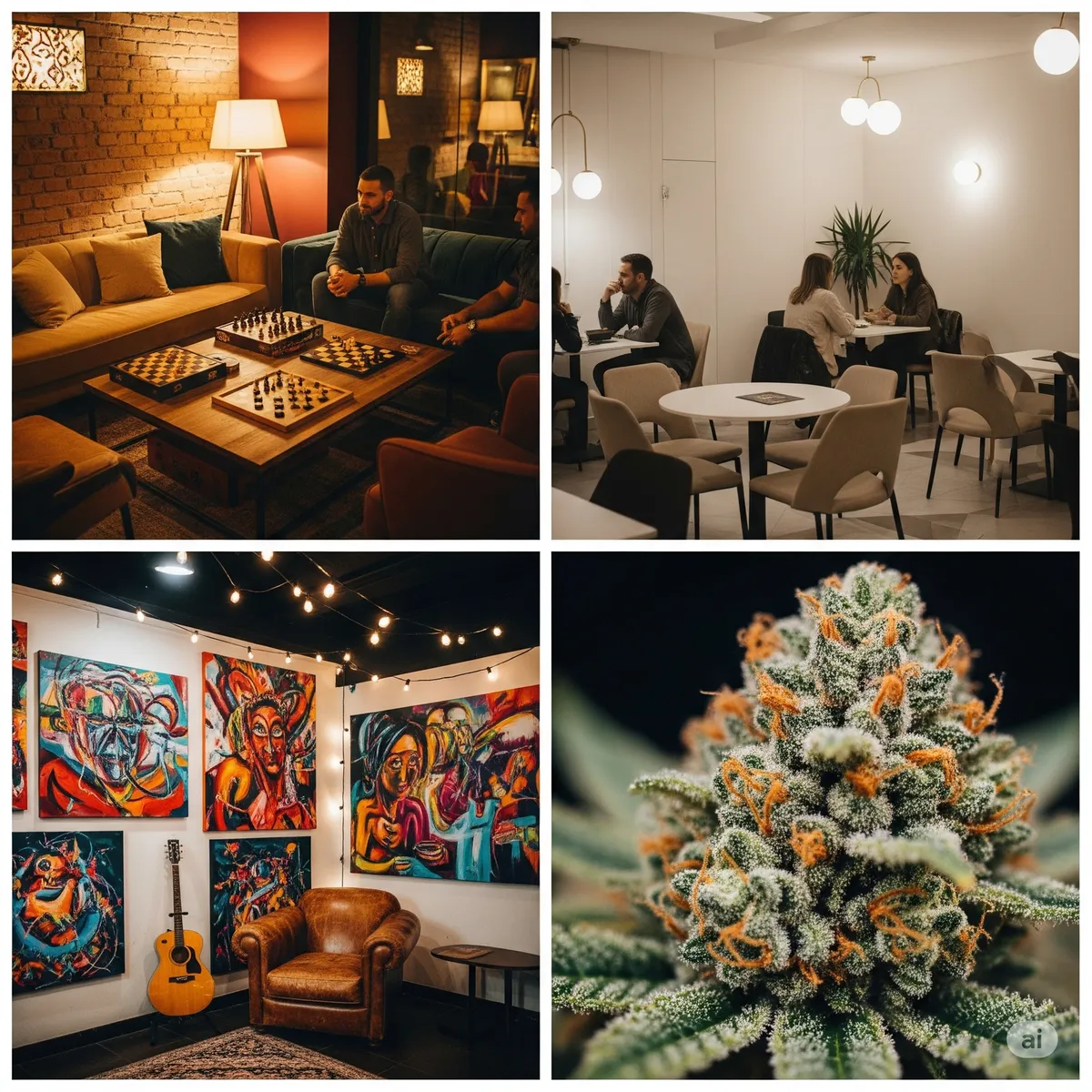
Association names and atmosphere describe identity; statutes, member rights and accounts explain how an organisation works.

A visitor’s association relationship, conduct in public and prescribed medication are three separate legal questions.
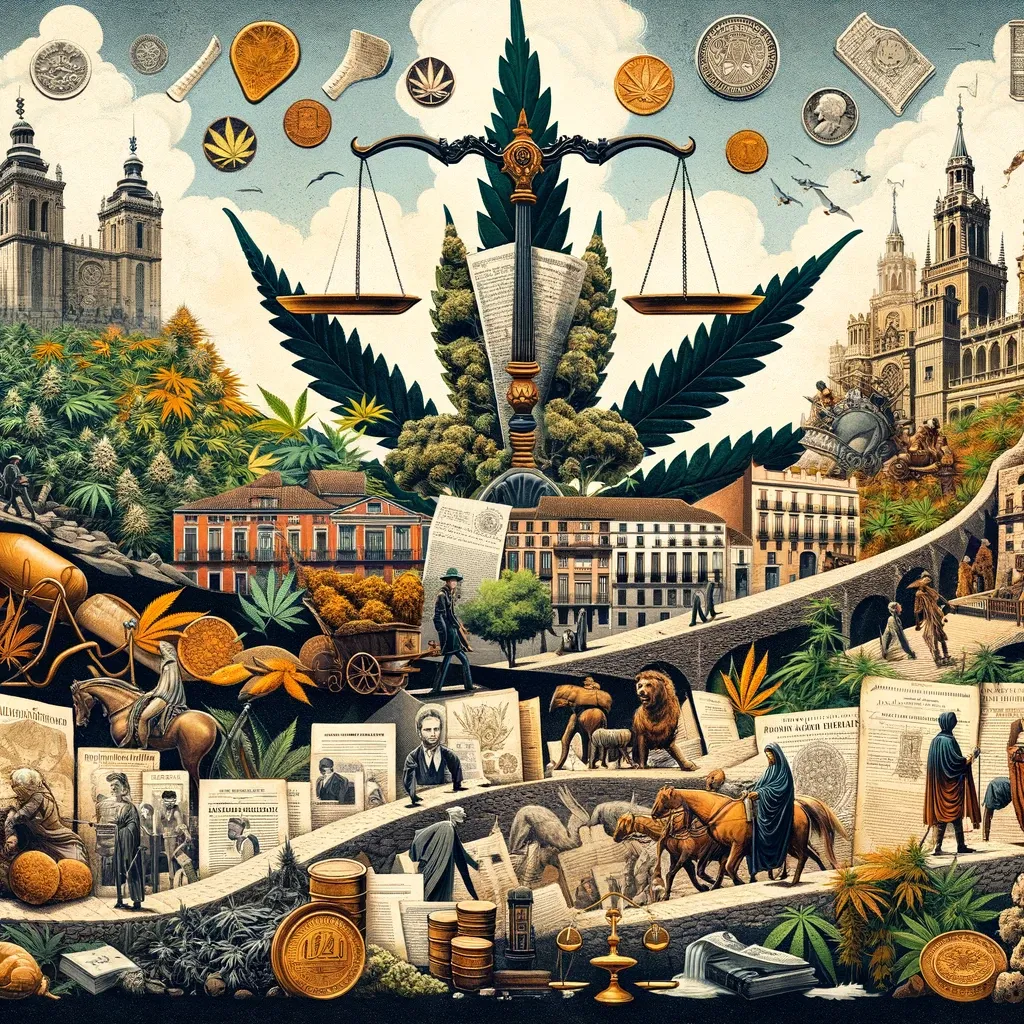
The history combines public-security rules, criminal law, association rights, regional reform and a recent medicinal framework.

Three distinct histories—ancient Pamir funerals, Rastafari religious recognition and Castelló’s hemp exchange—show why cannabis culture is not one tradition.

How Fallas transforms Valencia through neighbourhood monuments, mascletàs, flower offerings and the cremà—and where cannabis fits within that public setting.
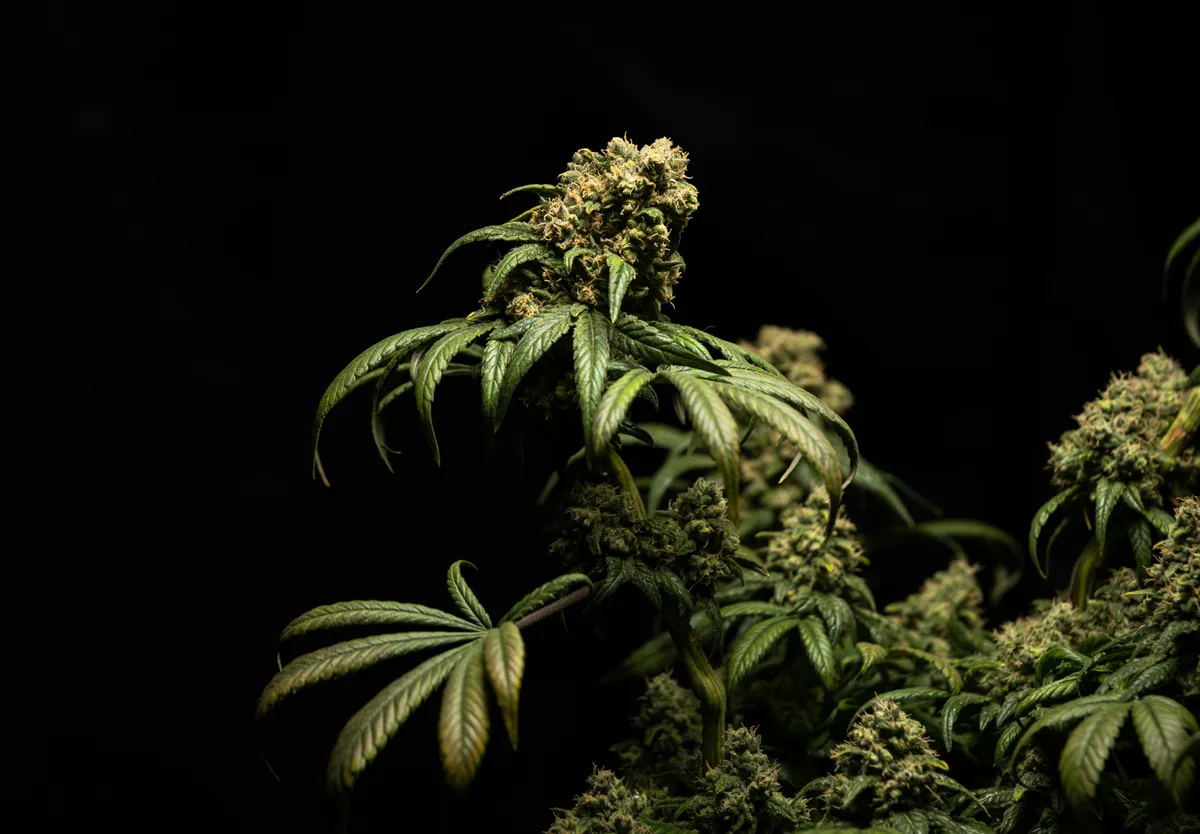
Three Italian friends discover that a journey through Barcelona’s cannabis culture is also a conversation about friendship, belonging and the meaning of an association.
El Parque, Alice, Kritical, Riff, Casper, SOLO, Veintiuno, Next Level and Asociación THC Valencia: association names and general correspondence.

Torrijas, monas and Italian colomba have their own Easter histories. Adding THC changes a food’s effects, not its cultural pedigree.
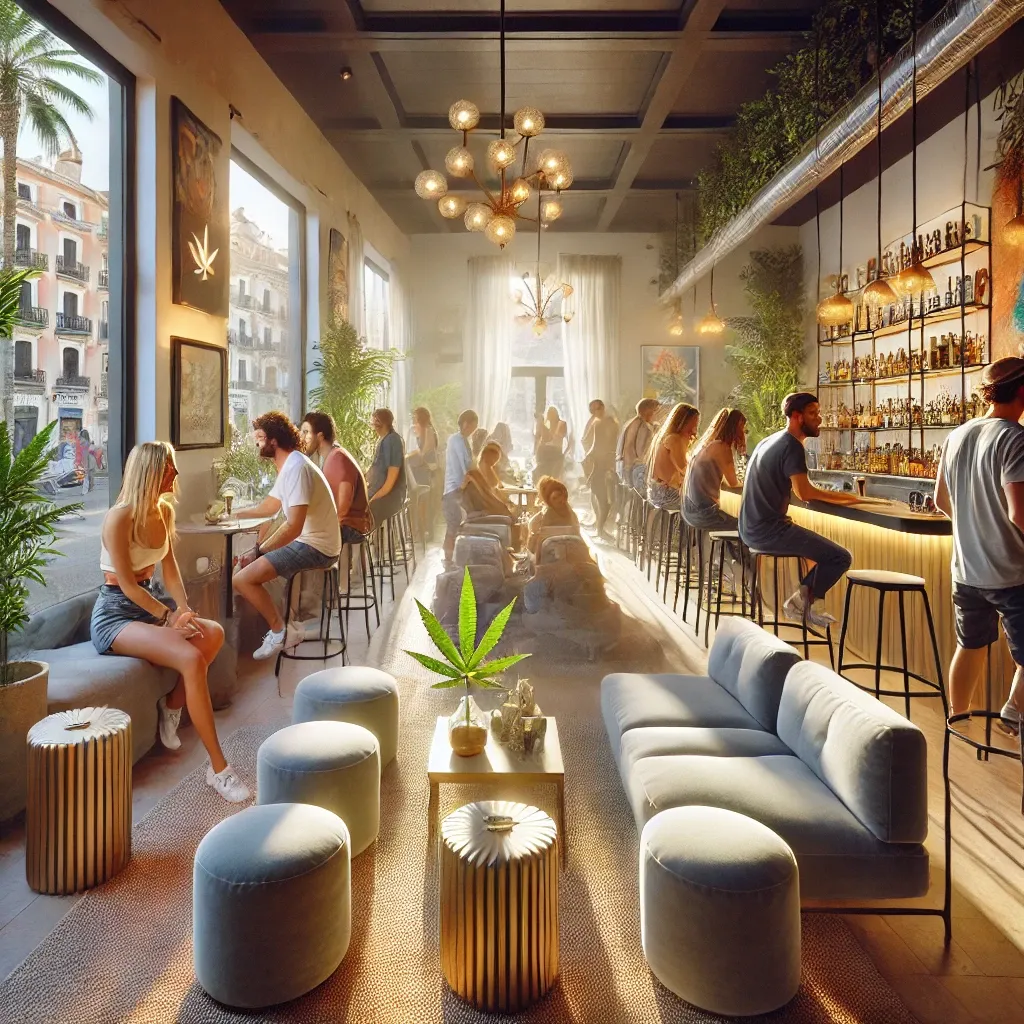
Spain’s EDADES survey shows changing patterns of cannabis use. Valencia’s association scene belongs within that wider picture, but club visibility and population statistics measure different things.
Spanish association law explains participation, accounts, discipline and departure. Those rights define membership; a membership card does not authorise cannabis distribution.
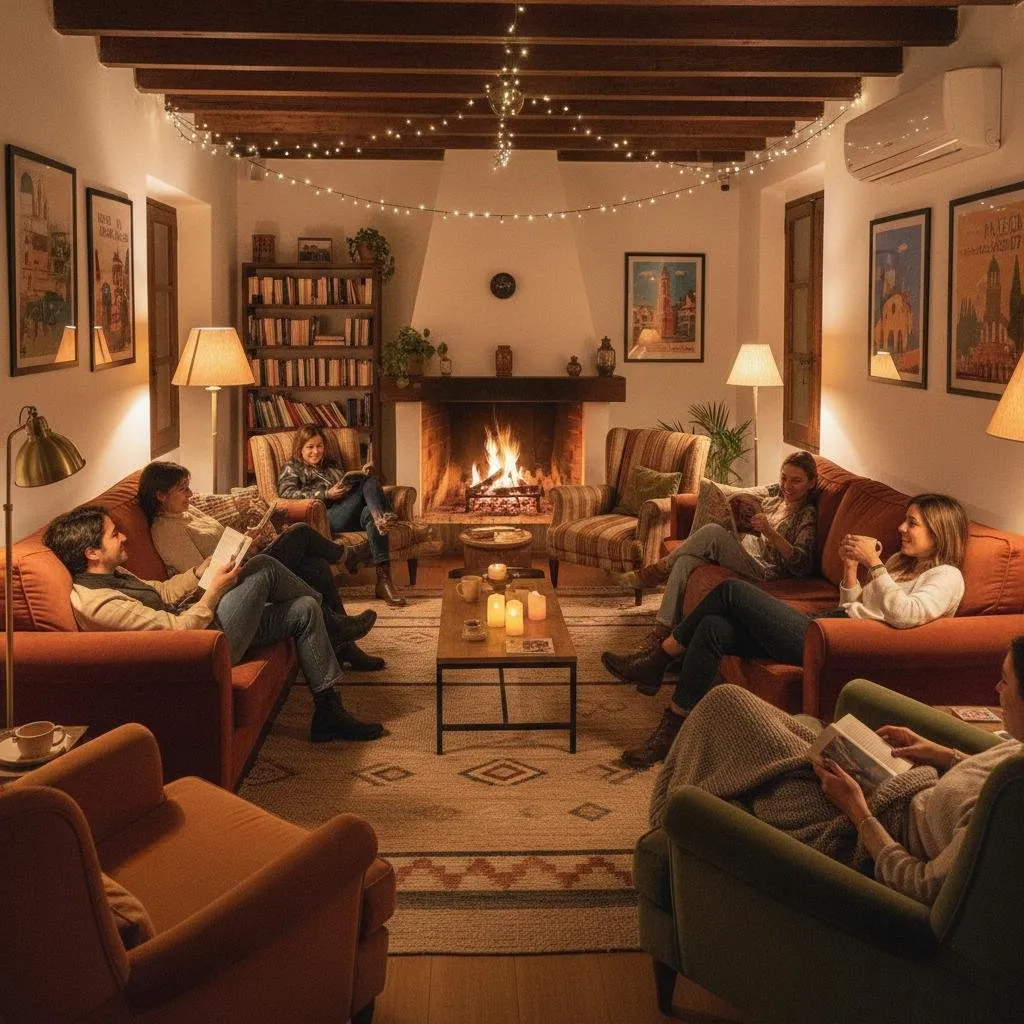
Valencia has no general public-space exemption for cannabis. The relevant distinction is the legal character of the place and activity, not whether a location feels quiet or discreet.
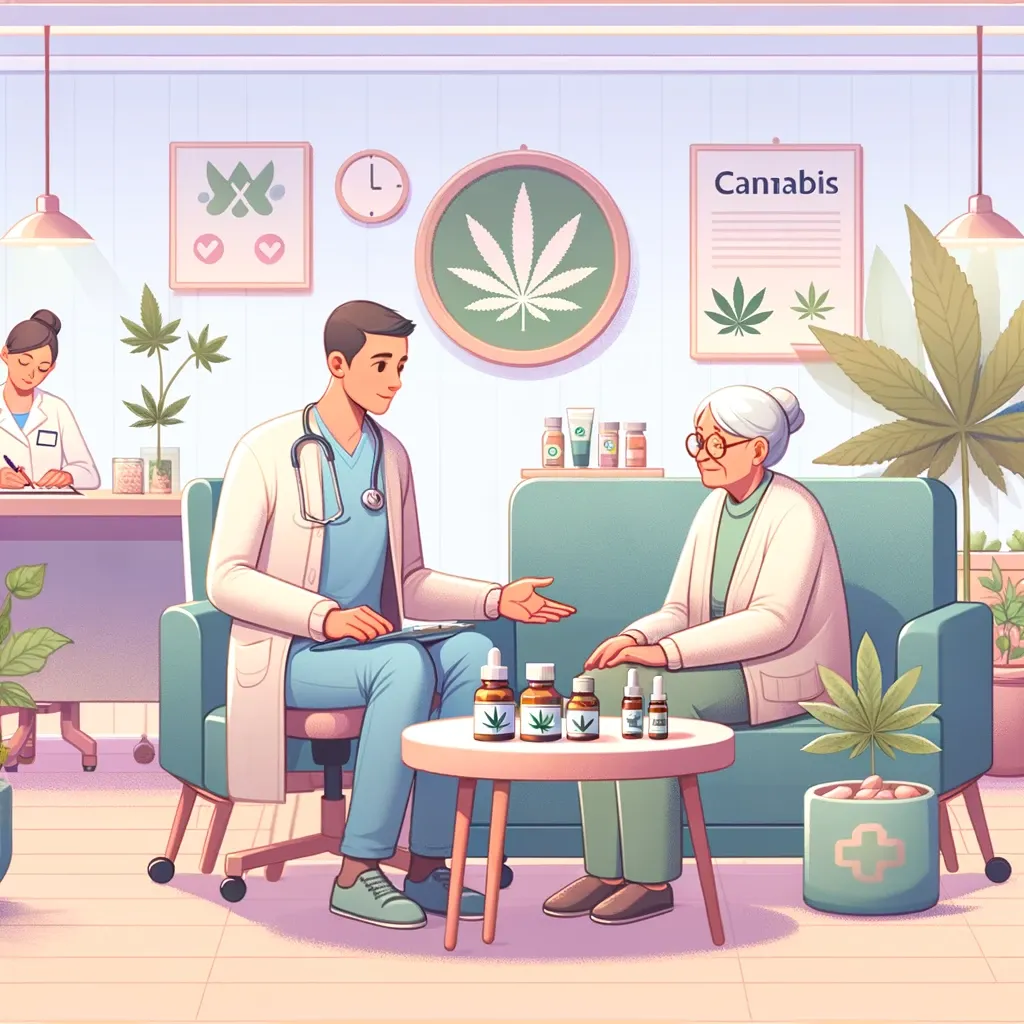
Research in older patients examines specific symptoms and daily functioning. A reduction in agitation or pain must be weighed alongside sedation, balance and medication interactions.

Some of the most consequential cannabis innovations improve the reliability of a laboratory result or the identity of a medical preparation, rather than changing how a product looks.

Experiments distinguish creative performance from how positively people judge ideas. Cannabis can change the feeling of inspiration without improving the work itself.
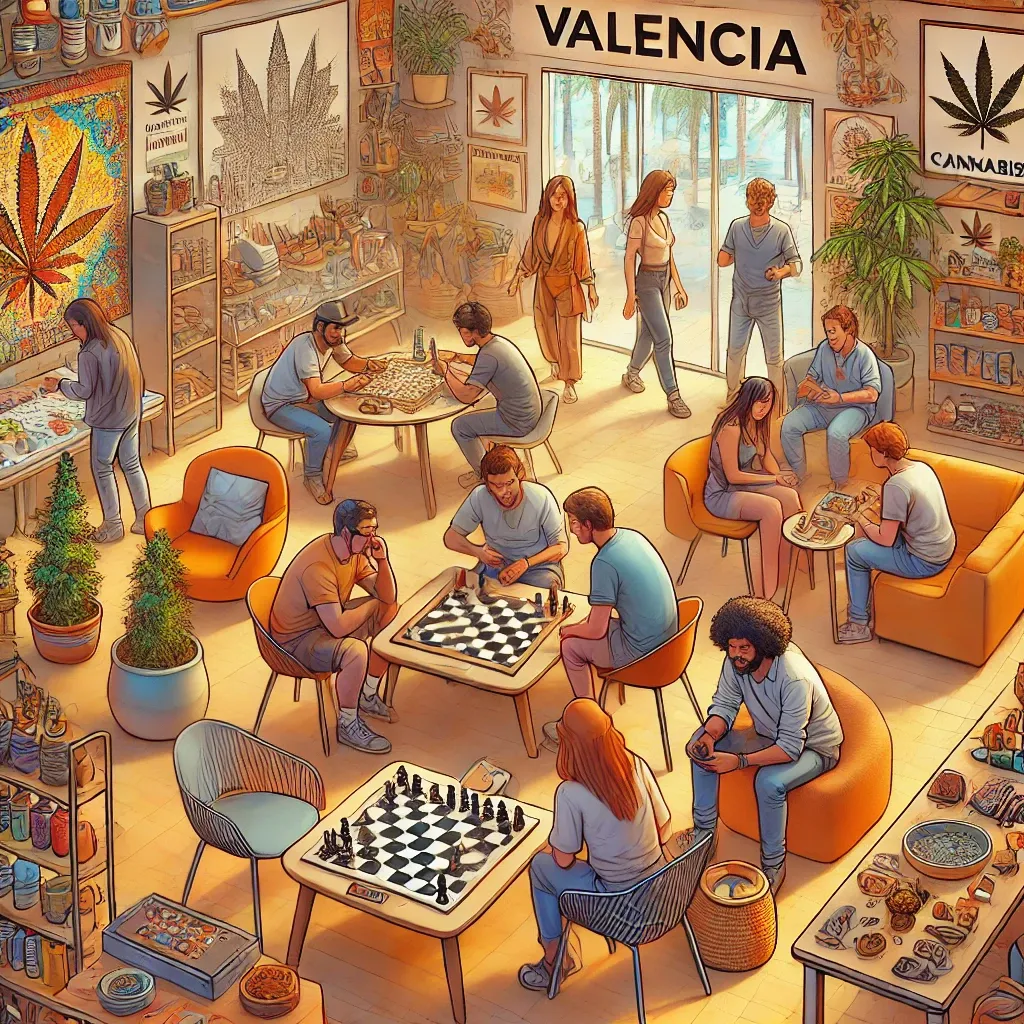
General correspondence for Vegas Asociación and Alice Asociación, with the member participation that distinguishes an association from a customer relationship.
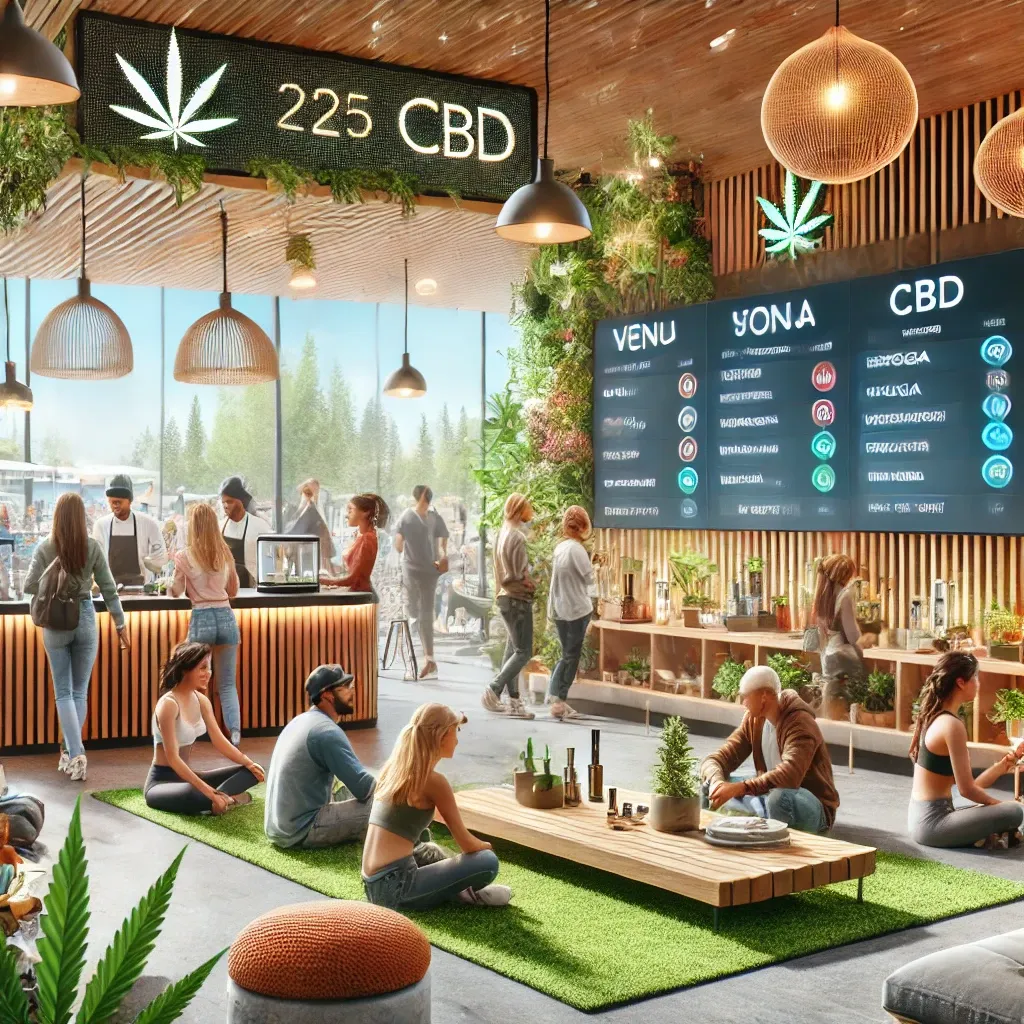
Digital records can make association administration clearer, but useful innovation depends on limited data collection, understandable notices and accountable decisions.
Chemical studies show why familiar cannabis categories cannot reliably select a product for concentration, relaxation or yoga practice.
Canada’s official figures show the scale of a regulated cannabis market. Understanding its economic impact requires separating recorded sales, business profit, public revenue and changes in purchasing behaviour.

Cannabis can alter the experience of a breath-focused practice, but stronger sensations do not establish better breathing. Heart rate, attention and smoke exposure describe different physiological effects.

Valencia’s framework developed through regional association law, national public-security rules, constitutional decisions and a separate medicinal-cannabis decree.
A practical approach to discussing adult cannabis use, listening to family concerns and agreeing on driving, caregiving and household boundaries.
What cooperative governance can offer cannabis organisations, how it differs from an association and what environmental sustainability requires.
Research separates the feeling of inspiration from creative performance, with different results for mood, idea evaluation and divergent thinking.

An explanation of Spain's criminal, administrative, association and pharmaceutical rules, including the medicinal framework introduced in 2025.
How social clubs connect with Valencia's diverse civic life, and what research reveals about lasting membership and participation.
How European cannabis associations developed, and why Spanish clubs, Maltese associations, German organisations and Dutch coffeeshops have different histories.

The difference between hemp seed oil and CBD, findings from a small human skin study and the role of the complete cosmetic formulation.
A historical view of the movement's collective identity, member participation and harm-reduction arguments, with findings from club research.
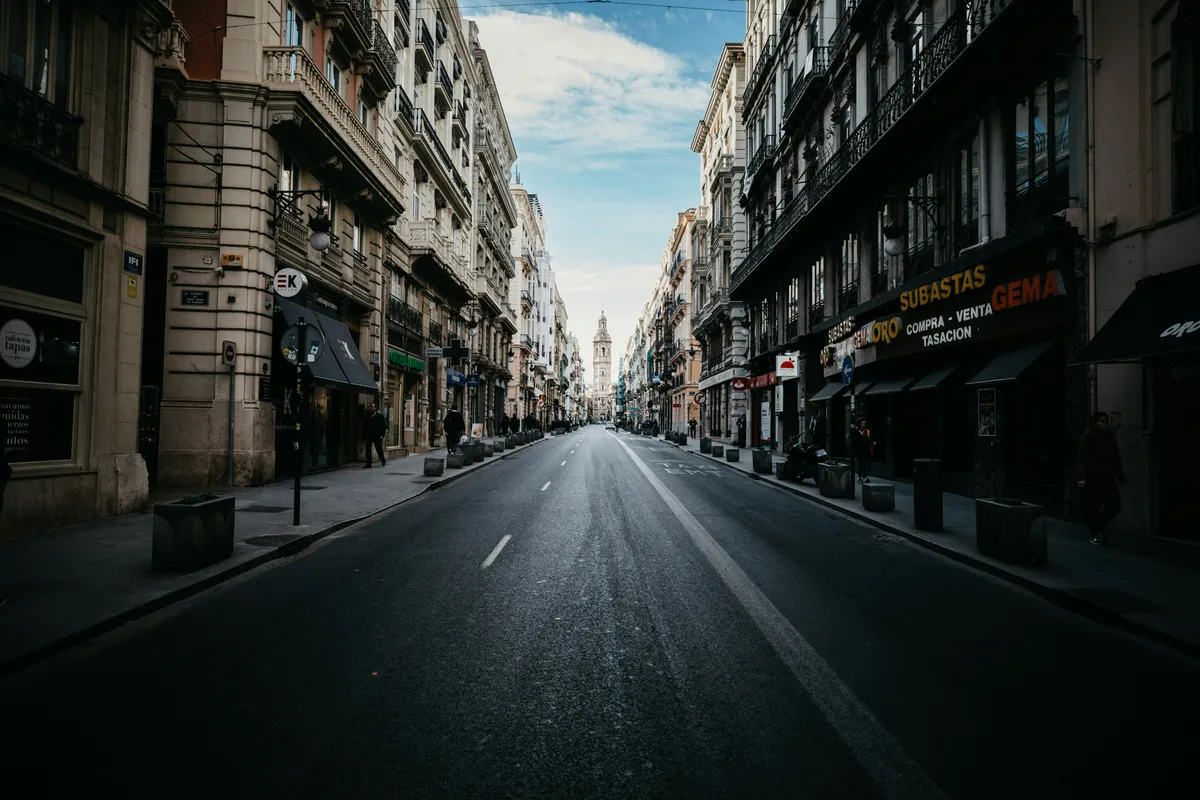
The organisational differences behind two familiar cannabis terms: membership, governance, retail tolerance and the role of local authorities.
How Spain distinguishes fibre and seed agriculture from medical and scientific production, and what cultivation statistics actually measure.
The economic channels through which visitor interests affect local businesses, set against official Spanish tourism figures and their limits.
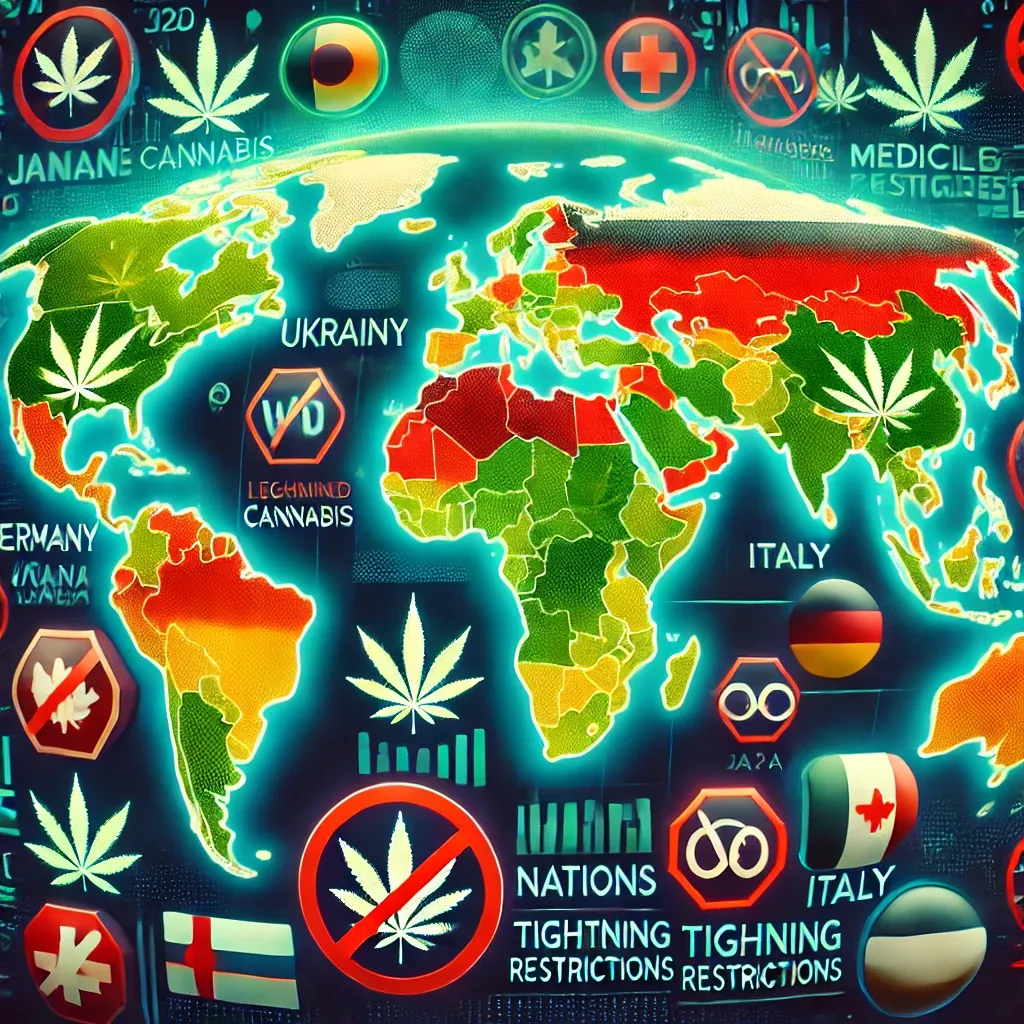
A historical comparison of the Netherlands, Thailand, Switzerland and Spain, showing how cannabis policy moved in different directions during 2025.
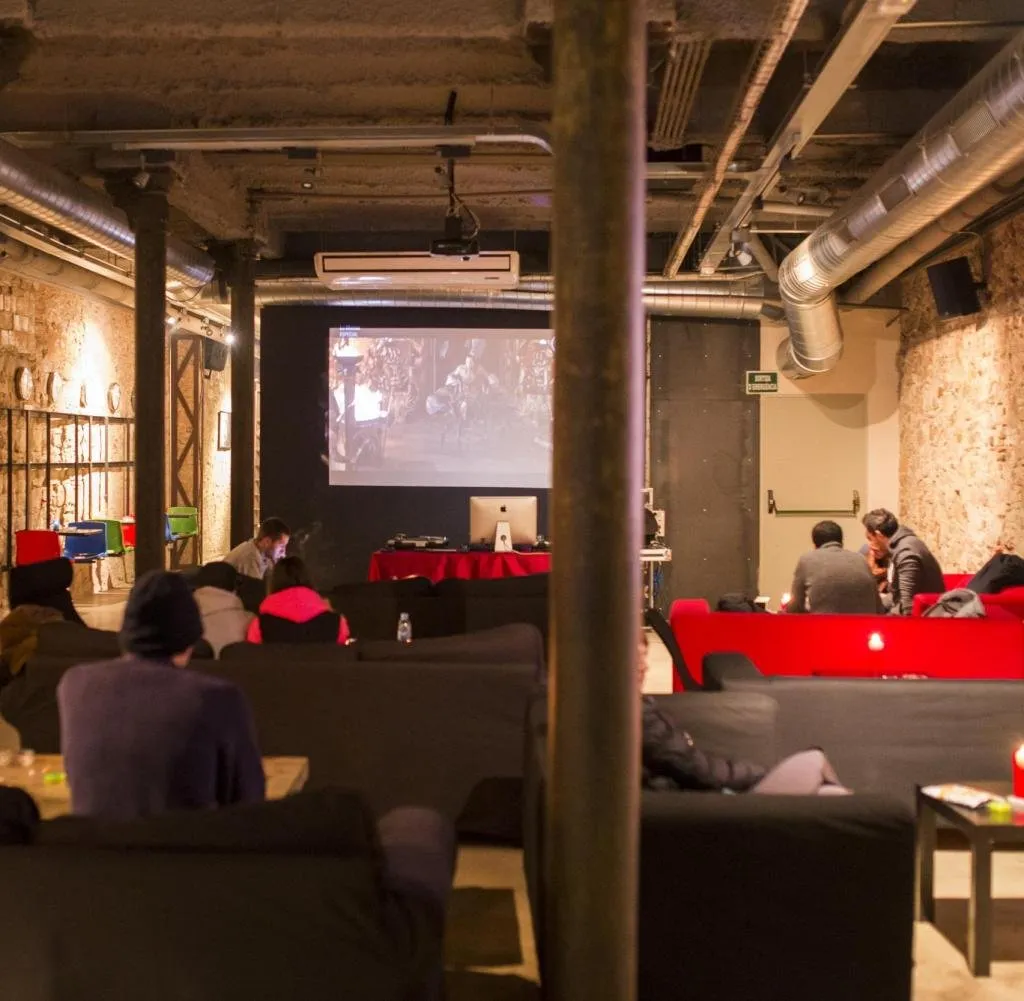
Practical principles for respectful association life, from photographs and conversations to shared rules and neighbours.
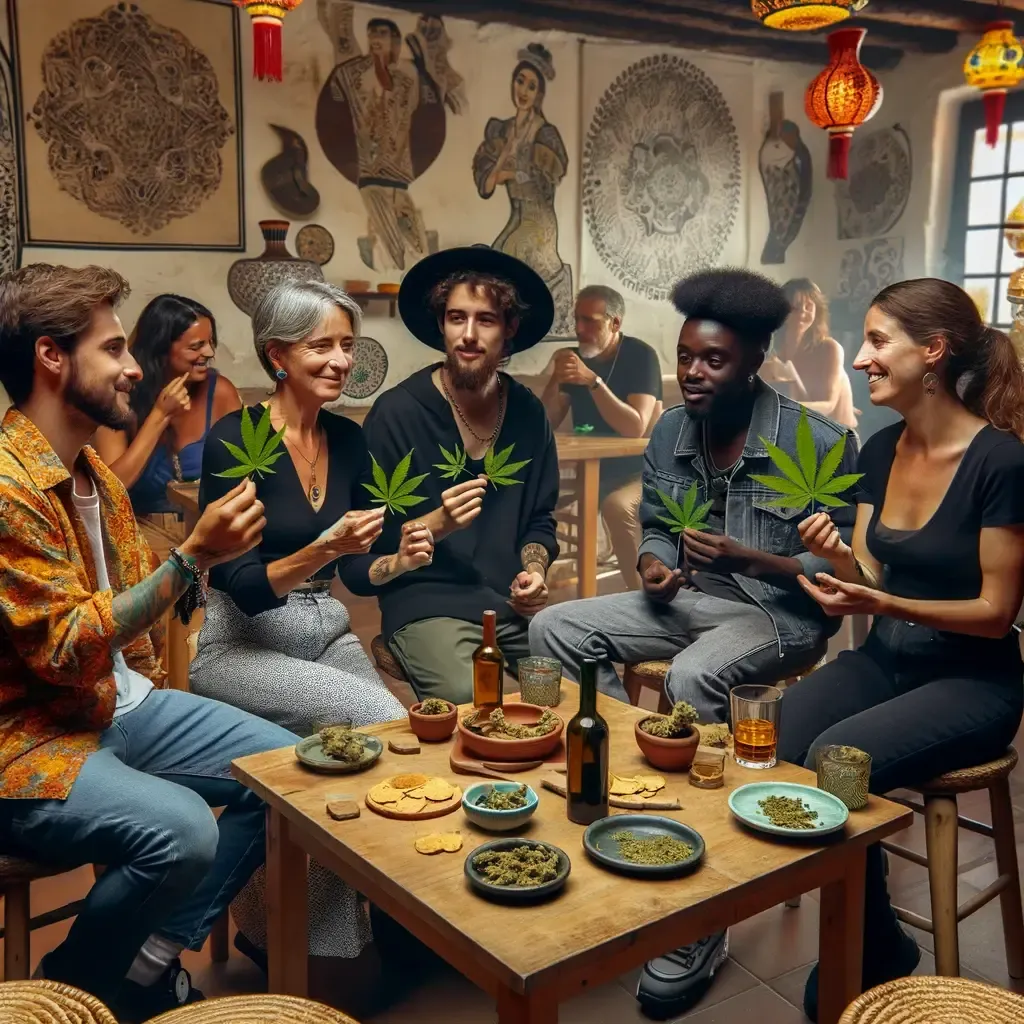
Three distinct strands of cannabis culture, from hemp textiles and Rastafari religious discourse to modern associations and museum collections.

How cannabis can participate in consumer culture, why use and consumerism are different concepts, and what price, branding and governance reveal.
A Barcelona study of 2,007 members and the practical rights that distinguish an association from an ordinary venue.

How associations, public-space legislation, a Barcelona museum and medicinal regulation developed along separate paths.
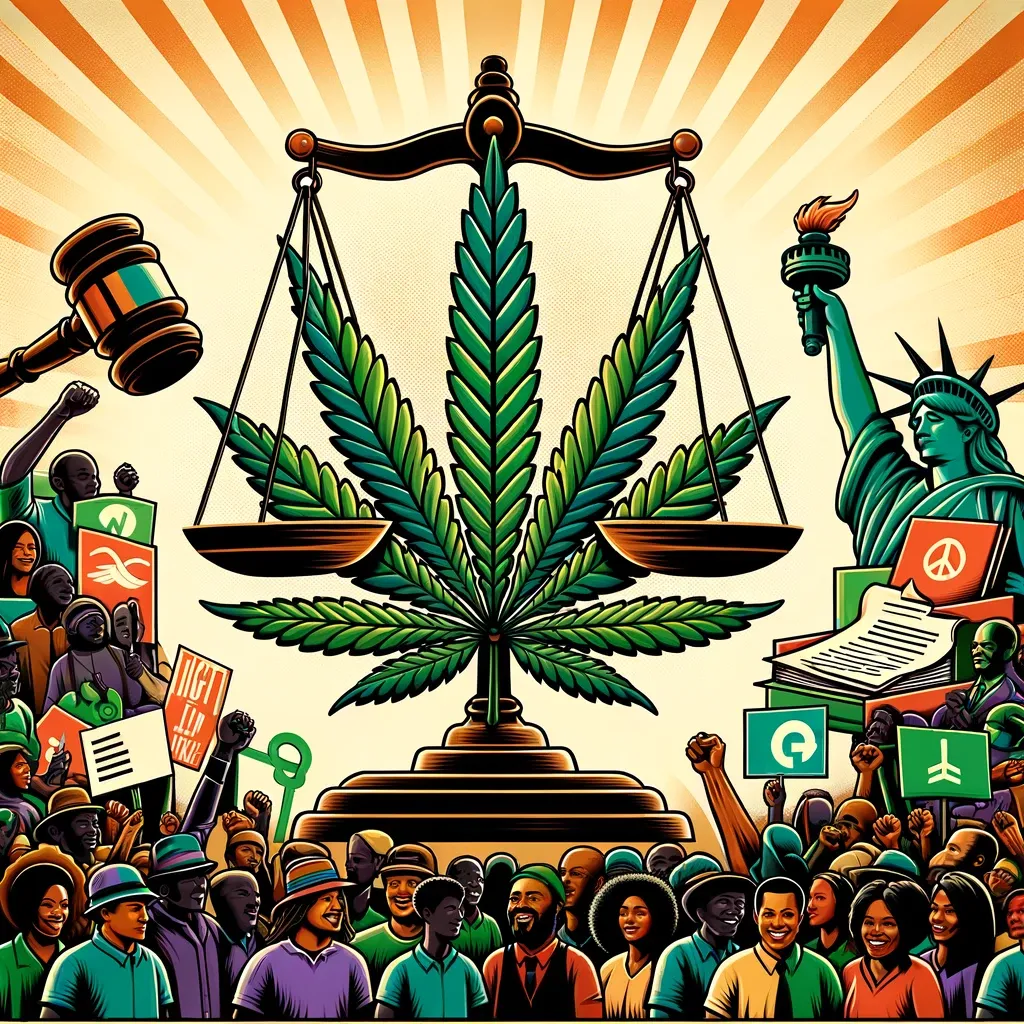
Public possession, trafficking, associations and prescribed medicines fall under different rules in Valencia.
Spain’s public-space fines and Germany’s record-deletion procedure show two different ways cannabis law affects people.

From Callosa’s hemp heritage to Barcelona’s museums and cannabis conferences, the plant occupies several different cultural spaces.
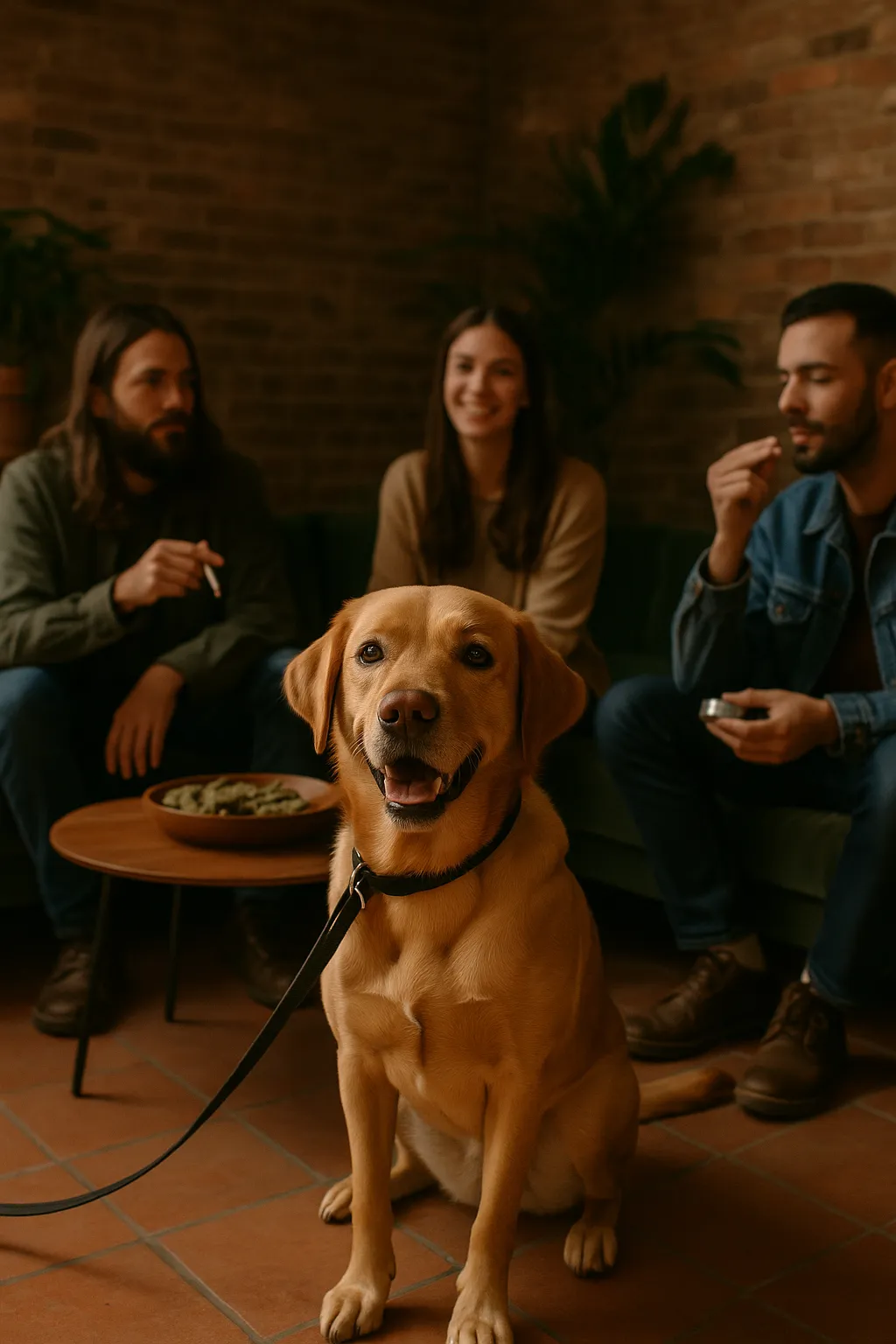
Dogs and cats can develop cannabis poisoning. A pet-friendly atmosphere does not remove exposure through products, discarded material or smoke.

Postures, breathing and attention are the foundations of yoga; cannabis has not been established as a necessary or beneficial addition.
The island’s public-space rules, the medicinal framework, food authorisation and association membership are separate questions.
Seizure reduction and relief of certain spasticity symptoms are concrete benefits of specified medicines, with defined patients and monitoring.
Exercise can change the body’s own cannabinoid signalling; that is different from adding cannabis to a yoga session.
Callosa de Segura’s demonstrations and Castelló’s former hemp exchange connect industrial history with present-day cultural life.

Research has linked cannabis use with reported sexual frequency and orgasm satisfaction, but these are different outcomes and neither proves a treatment effect.
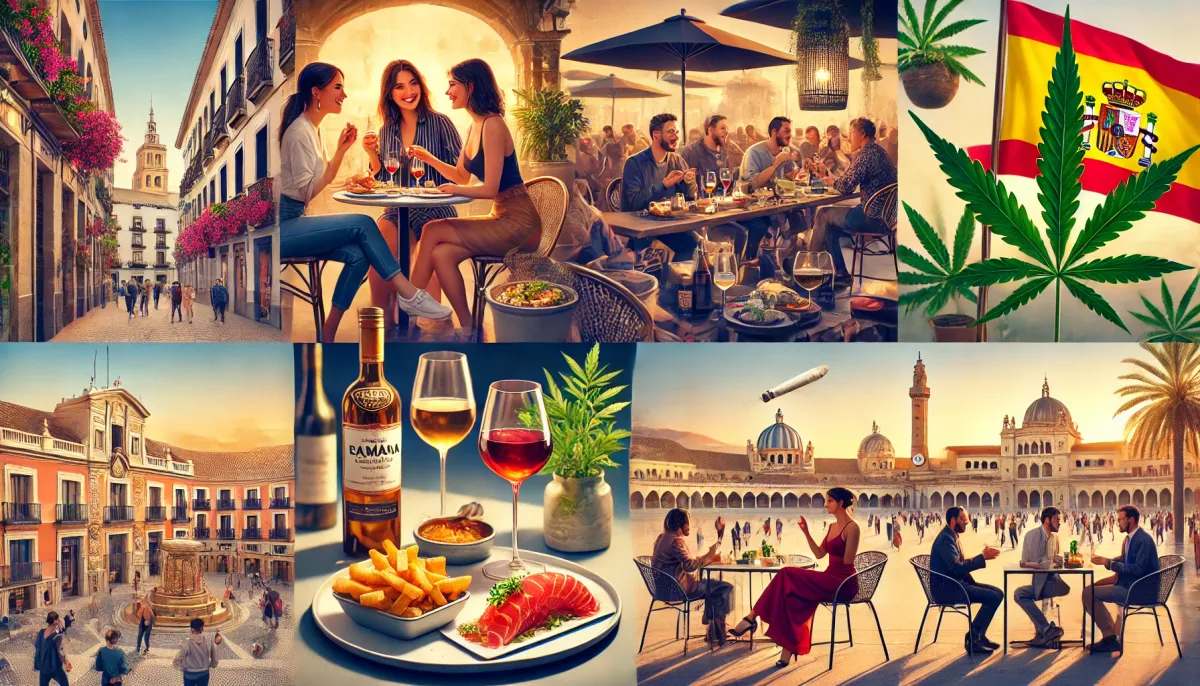
Concrete public settings for social life, and how a cannabis association differs from them.

Attention, memory and self-evaluation can move in different directions after cannabis use.

A literary classic, a study of Rastafari and a major scientific report offer three distinct entry points.

Repeated visits, collective rules and member accountability explain more about club culture than the image of a private lounge.

Cannabis-related travel can explore real collections and historic buildings. Barcelona’s cannabis museum and Castelló’s hemp exchange offer two concrete cultural subjects, while friendly advertising has no independent legal force.

A blocked entrance, a threat and an official closure are different events. Spain’s reporting and victim-support framework explains the distinction without turning an accusation into a finding of guilt.

Music, drawing and games make different demands. Cannabis studies show why wanting to engage, enjoying an activity and performing it well should be considered separately.
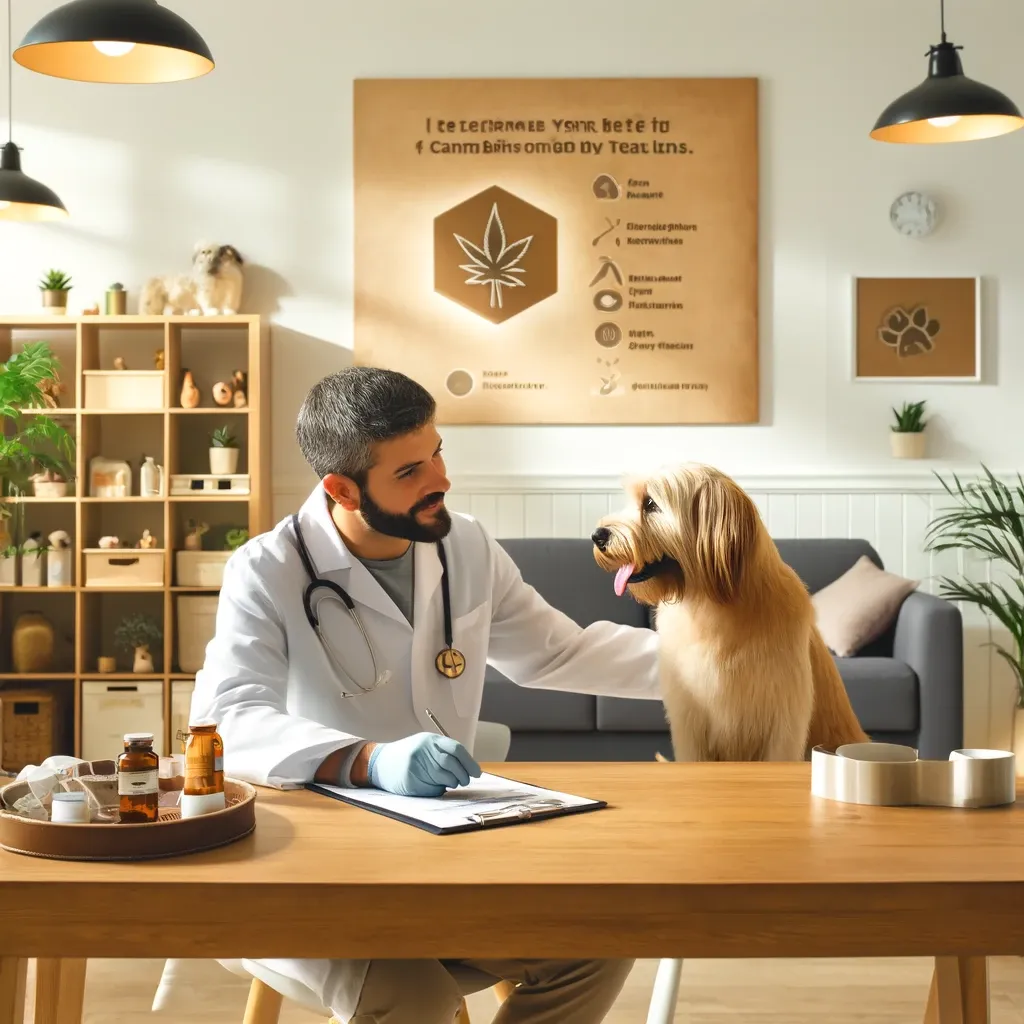
Trials in canine epilepsy and osteoarthritis provide specific findings about CBD preparations. They do not make human cannabis products interchangeable with veterinary treatment.
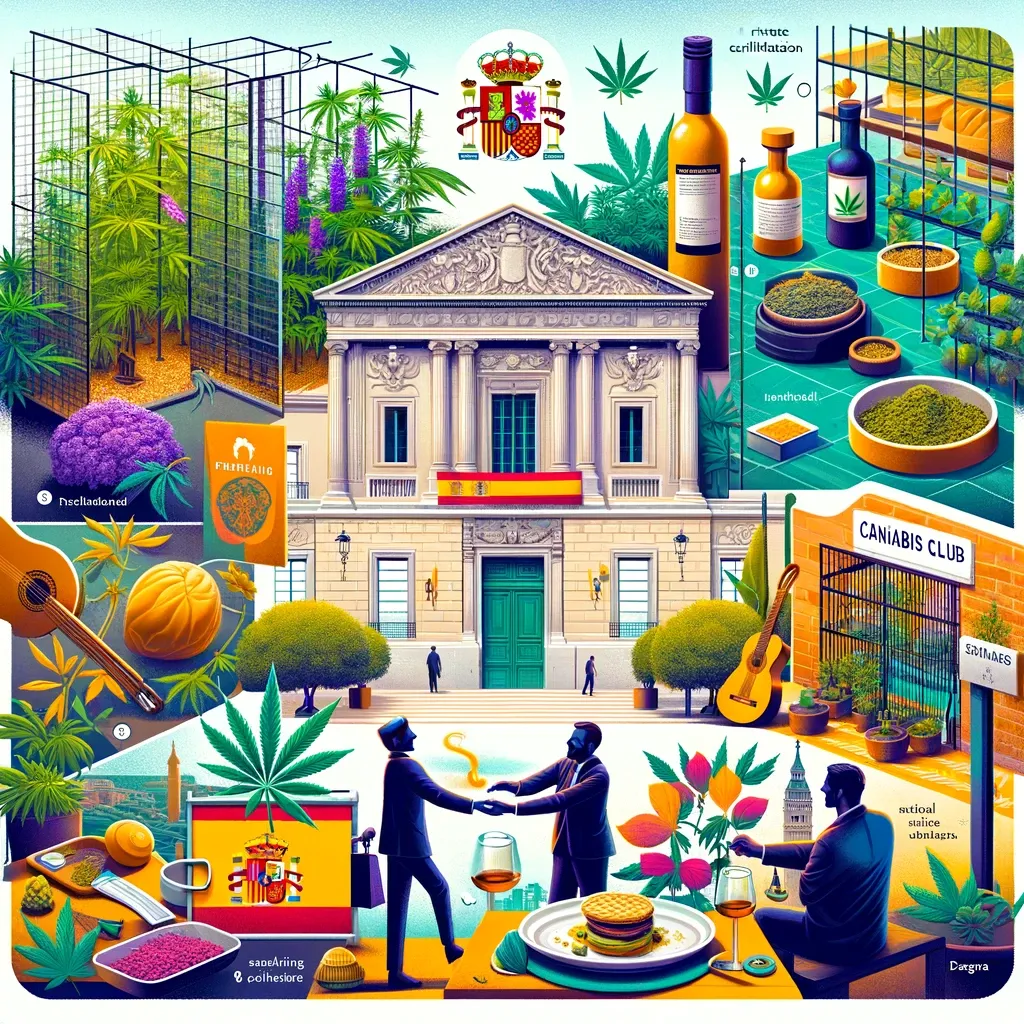
Spain separates personal conduct, association governance and medical preparations. Understanding those categories explains why the word access does not describe one national retail system.

Spain’s medical framework combines authorised medicines with a regulated route for standardised magistral formulations. Patient outcomes depend on the condition, preparation and follow-up—not the plant’s name alone.
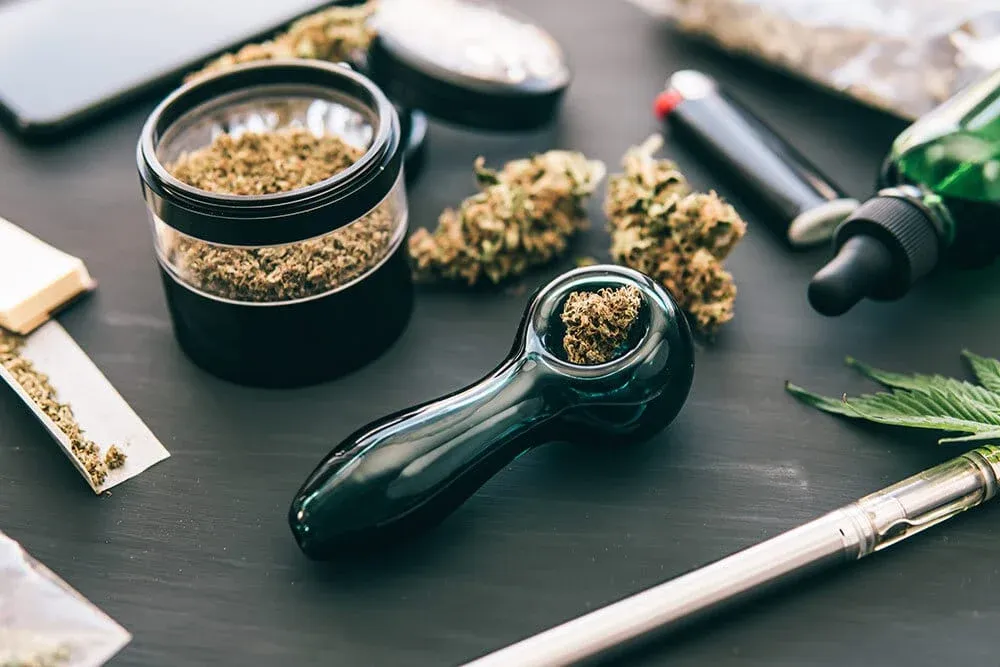
Papers, pipes, water pipes and vaporisers belong to different device categories. Their appearance or smoothness does not establish the composition of an exposure or a health benefit.

Cannabis associations can connect people through shared experience and collective activity. The social value lies in how those relationships work, including whether information and decision-making are genuinely shared.

Sweed Quality Labs, La Natura Cura, Diamond Smokers Club, Leaf Seak and La Catedral de Madrid: a concise association directory.
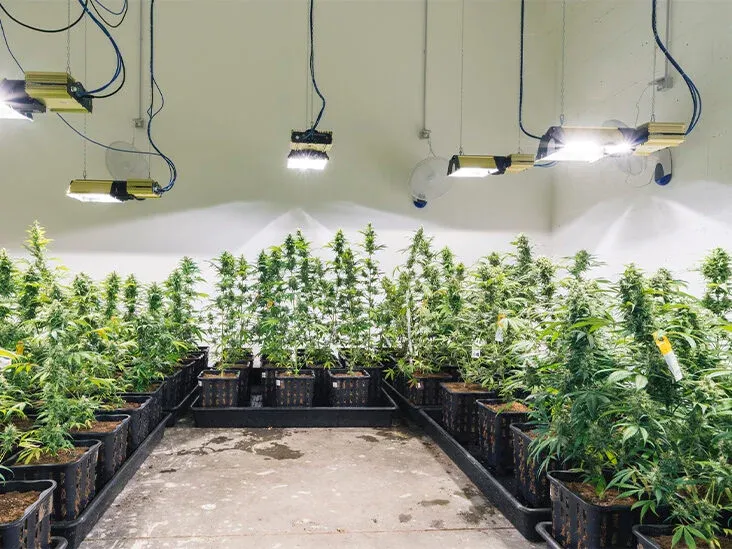
Spain has no general statutory allowance expressed as a universally legal number of home cannabis plants. Criminal purpose and public visibility raise separate questions.
What controlled exercise studies show about THC, perceived effort, CBD and the 2026 anti-doping rules.
Why evidence about cannabinoid medicines for spasticity does not establish greater flexibility in yoga.
How to distinguish hemp foods, CBD cosmetics and regulated cannabinoid medicines behind wellness claims.
A guide to Spain’s distinct rules for public possession, supply, associations and medical cannabis, alongside its hemp heritage.
How cannabis tourism intersects with association life, municipal oversight and the everyday use of Spanish neighbourhoods.
A Valencia itinerary connecting markets, textile history, the Turia gardens and the maritime neighbourhoods.

Four concrete developments shaping cannabis research and regulation, from laboratory reference material to clinical outcomes and environmental accounting.
A practical group plan built around Valencia's food, outdoor spaces and culture, with clear budgets, voluntary participation and sensible transport.
Clear answers about registration, nonprofit status, membership, public possession, medical treatment, product testing and private premises.
The different experiences behind the hospitality label, with a Barcelona museum example and a comparison of accommodation, associations and Dutch coffeeshops.
A historical guide to three documented 2025 events, their venues, dates and different combinations of exhibitions, conferences and festival programming.

A historical guide to the association model, public-space rules, medical changes and practical health considerations in Valencia during 2025.
A historical look at documented travel interests around cannabis, including Spannabis and Barcelona's museum, within Spain's wider tourism year.

The 2024 position on authorised cannabinoid medicines and the proposed standardised-preparation framework, with later developments clearly dated.

How overlapping chemical signals, reference materials and laboratory comparisons shape the reliability of cannabis testing.
Barcelona's cannabis museum, the Cornellà editions of Spannabis and the 2026 exhibition in Bilbao form distinct parts of the cultural story.
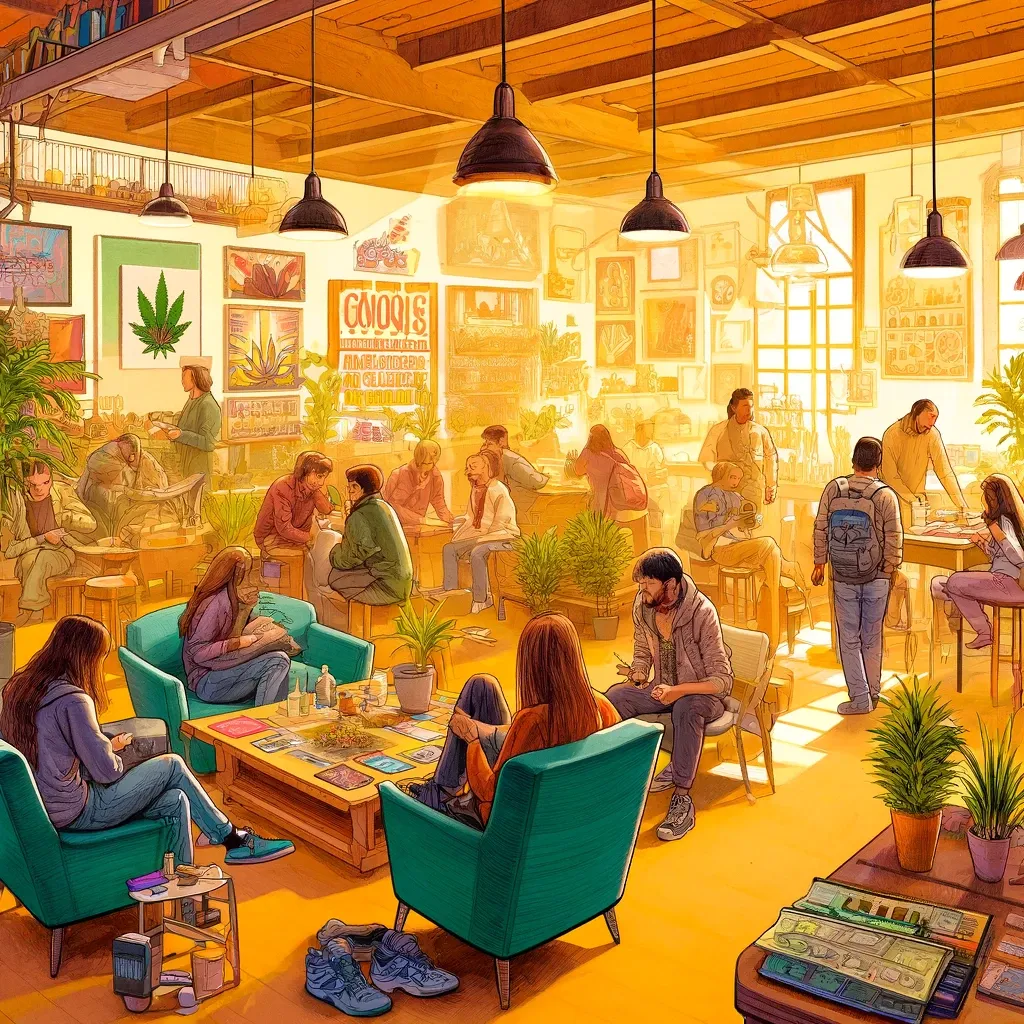
How the association model organises social relationships, and what Spanish studies reveal about club life.
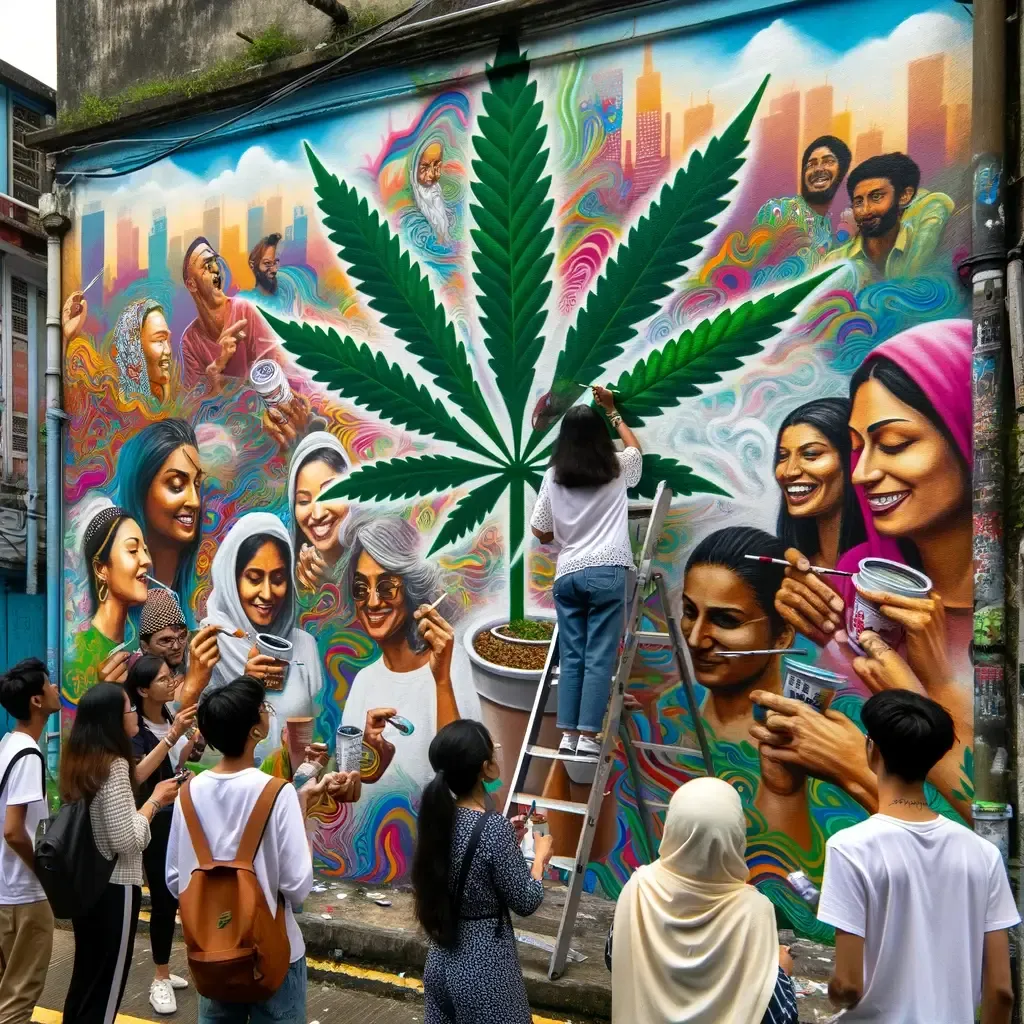
A botanical explanation of flower clusters, bracts, stigmas and the glands that produce cannabinoids.
Research on genetics, aromas and laboratory measurement explains the limits of familiar cannabis categories.
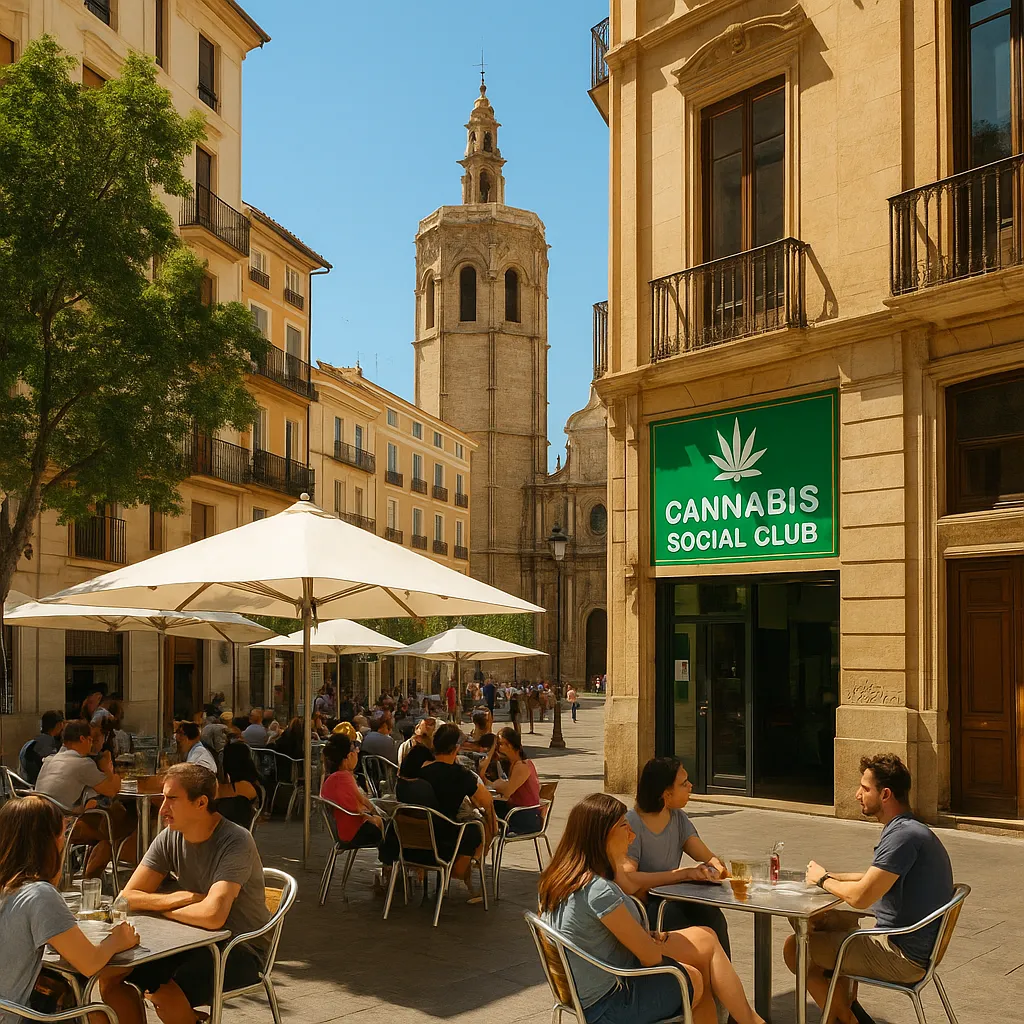
A historical look at four events that brought different audiences and cultural traditions into Valencia's public spaces.

Association governance, supply, public-space rules, regional powers and medicinal regulation affect clubs in different ways.
What two digital diaries record, how their reports differ and what app-based research has found.

Anandamide, mood and movement: how the body’s cannabinoid signalling relates to yoga, and what an exercise study actually found.

A hemp-leaf infusion is not the same as a CBD drink or an intoxicating beverage. Spain’s food guidance and new EU rules distinguish their ingredients and risks.
The 2024 milestones were an industrial-hemp cluster and a medical-cannabis draft regulation, with distinct agricultural and pharmaceutical purposes.
Spain’s cannabis rules distinguish criminal offences, public-space penalties, association rights and regulated medicines. Here is how those categories fit together.
Two US Supreme Court cases show how cannabis law changed through constitutional challenges, followed by Canada’s legislative reform in 2018.
The meaning of the Baixà, the dawn procession to San Antonio beach and the musical programme of Cullera’s 2025 patronal festival.

Attention, body sensations and coordination can change independently. Research on mindfulness and cannabis explains why that distinction matters during movement.

Names and email contacts for four cannabis associations in Valencia, for general correspondence.
Names, genetics and chemical profiles describe different things. Laboratory studies explain why a familiar cannabis name does not define a uniform product.

Callosa de Segura’s rope and footwear trades explain the historical fibre economy. Modern industrial hemp and authorised medical production follow different purposes.
An association’s economic footprint runs through premises, suppliers and people. Spanish association law explains how funds and surpluses must be managed.
Reefer Madness, Weeds and Disjointed place cannabis in three different stories: public danger, suburban survival and everyday workplace comedy.
Two cultural stops reveal different sides of cannabis history: Barcelona’s museum collection and the hemp-working heritage of Alicante’s Vega Baja.
Valencia’s cannabis conversation involves private associations, municipal prevention and a wider Valencian history of hemp work. Each belongs to a different part of local life.
AEMET’s station records show why ‘Spanish sunshine’ is too broad a description of the landscapes behind hemp history.
The 2024 health indicator recorded cannabis use in 14.2% of 15–64-year-olds across the Comunitat Valenciana. The city’s prevention programme operated at a different local scale.
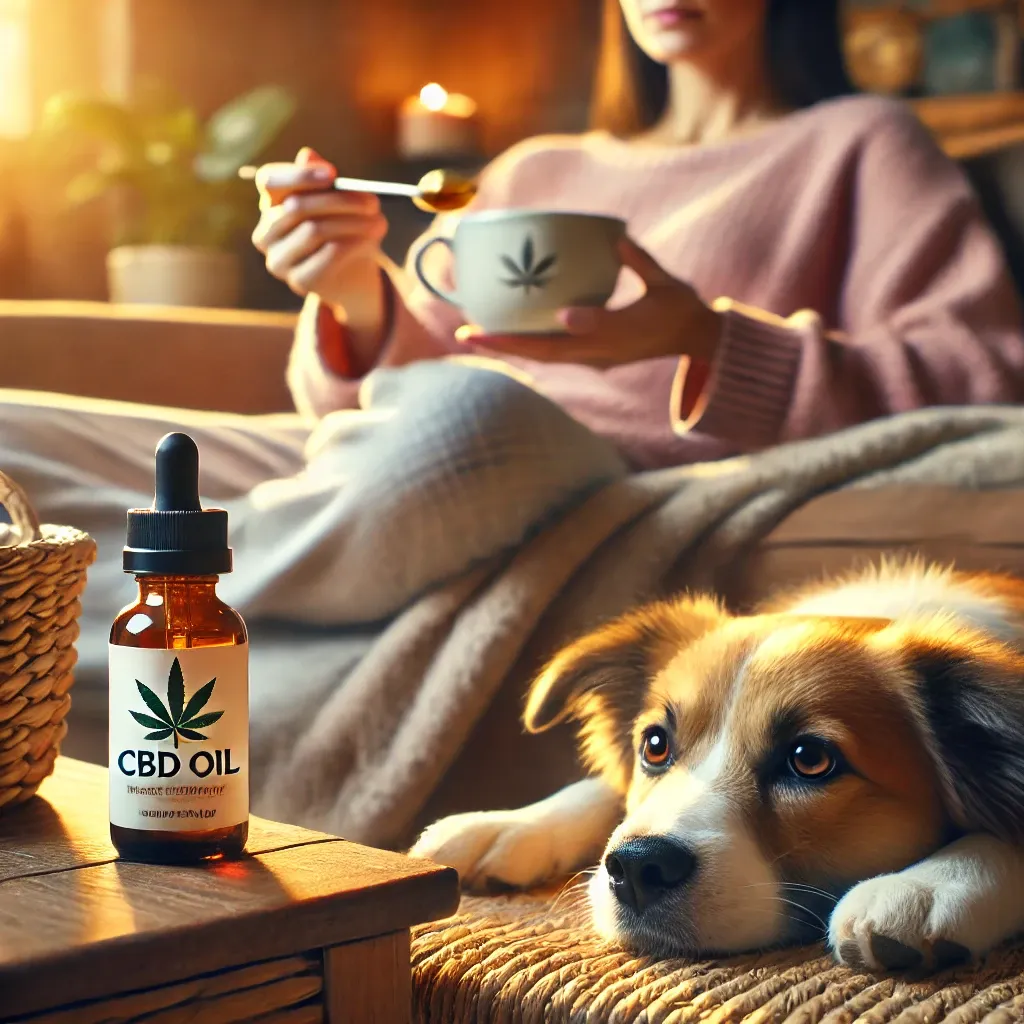
Human CBD trials and canine stress research show why anxiety, worry and physical arousal need separate answers.

Why a growing legal cannabis market does not automatically mean profitable businesses or rising share prices.
What Spanish nap research and cannabinoid sleep trials actually show about rest, sleep quality and next-day function.
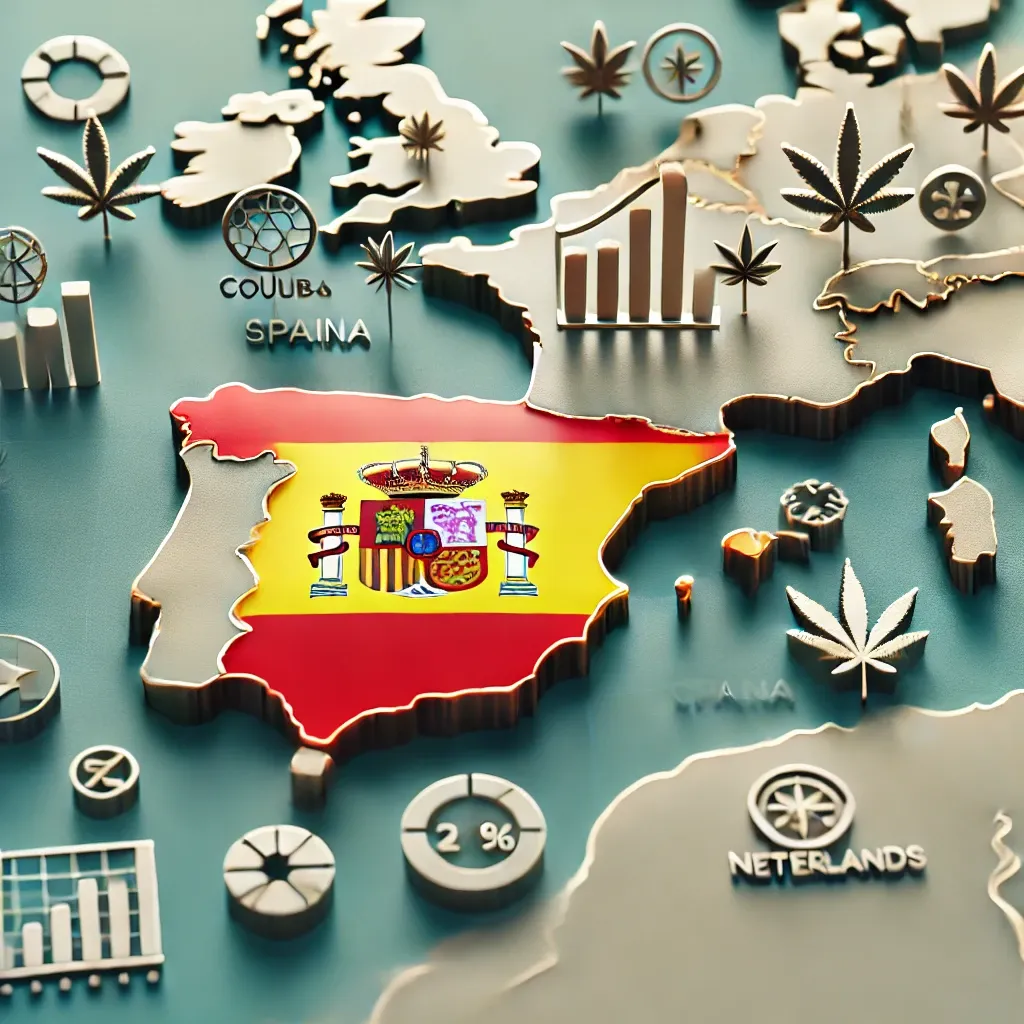
Comparing Spanish law with Germany’s associations, Malta’s licensing model and Canada’s regulated market.
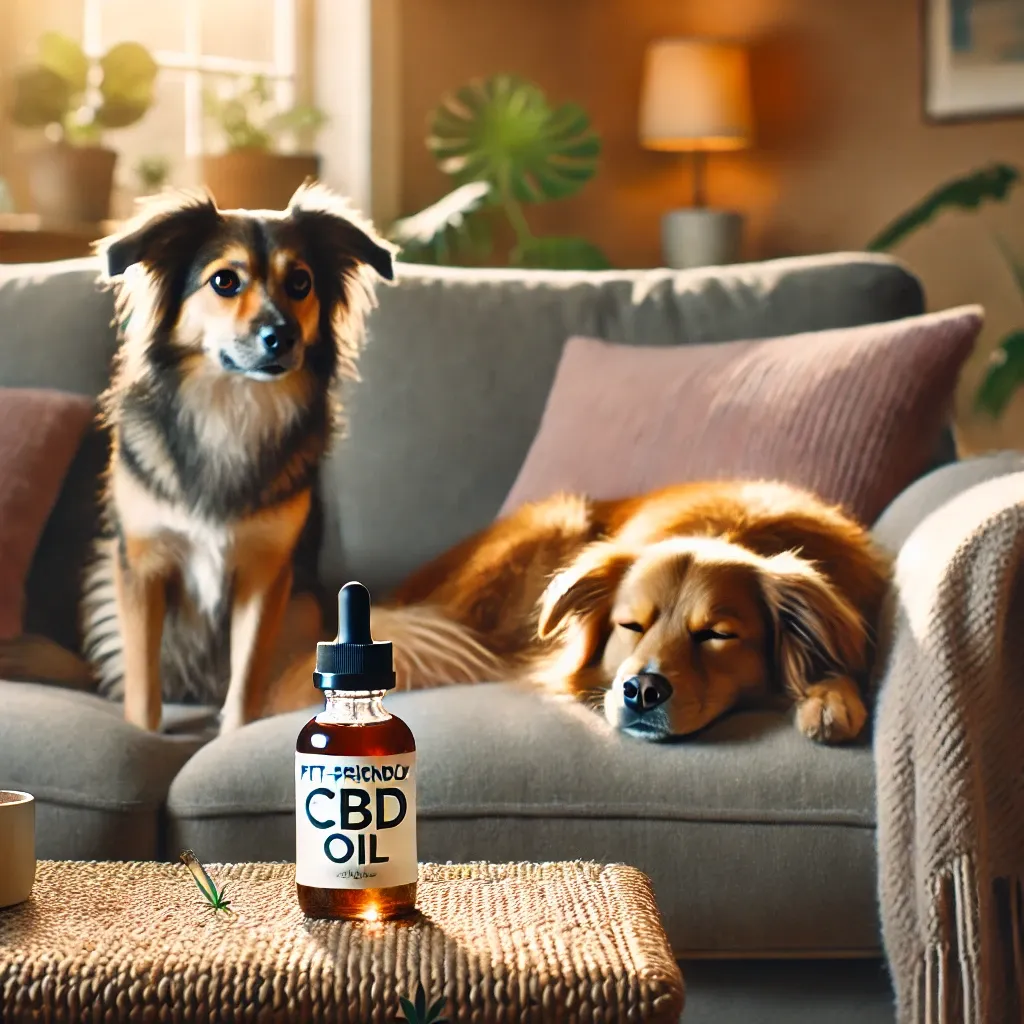
CBD research in canine epilepsy and osteoarthritis shows why diagnosis, existing treatment and follow-up belong together.

THC can alter stress, time perception and attention, with effects that do not always move in the same direction.
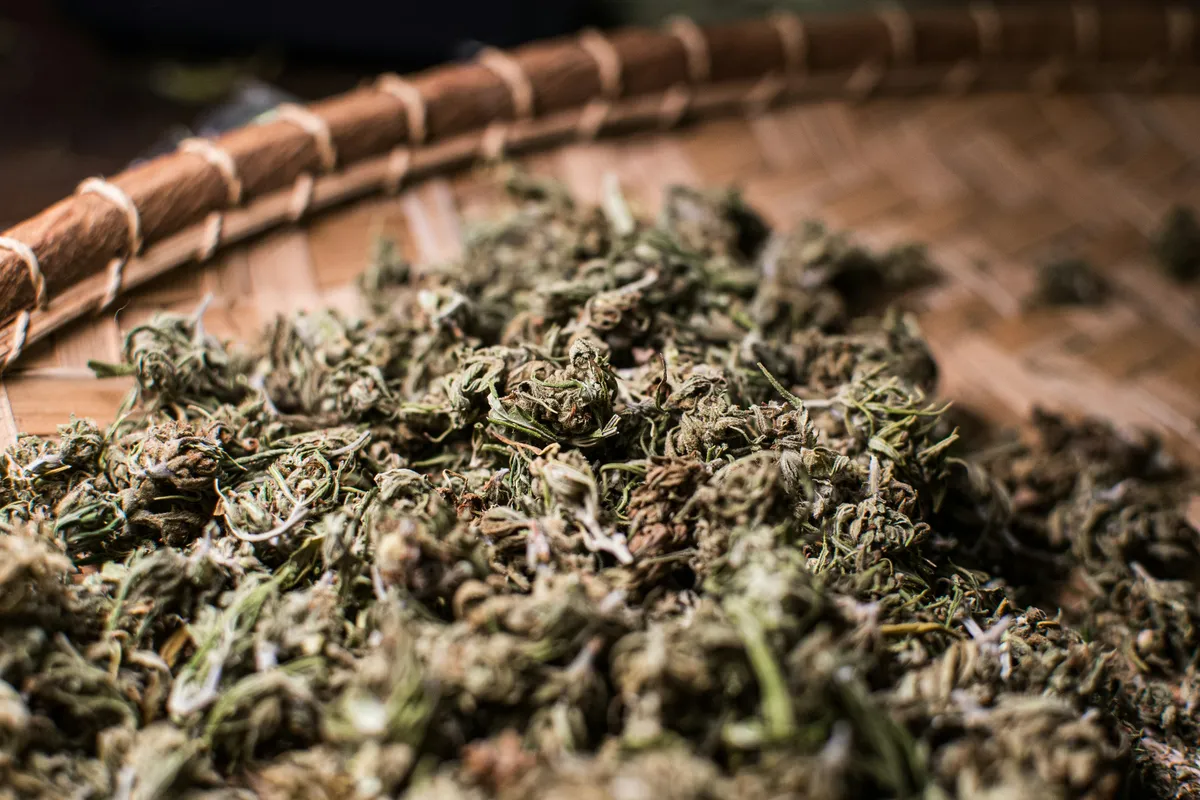
The 2025 decree and 2026 AEMPS monograph define a specialist and hospital-pharmacy pathway for particular refractory conditions.
What a THC-containing syrup is, why its effects are delayed and how it differs from an authorised medicine.
The main legal categories and procedural rights that shape cannabis-related matters in Spain.

How hemp, botanical imagery, pills and collage became physical materials in Fred Tomaselli’s paintings.

Discover everyday Valencia through neighbourhood food markets, horchata country and l’Albufera’s rice landscape.
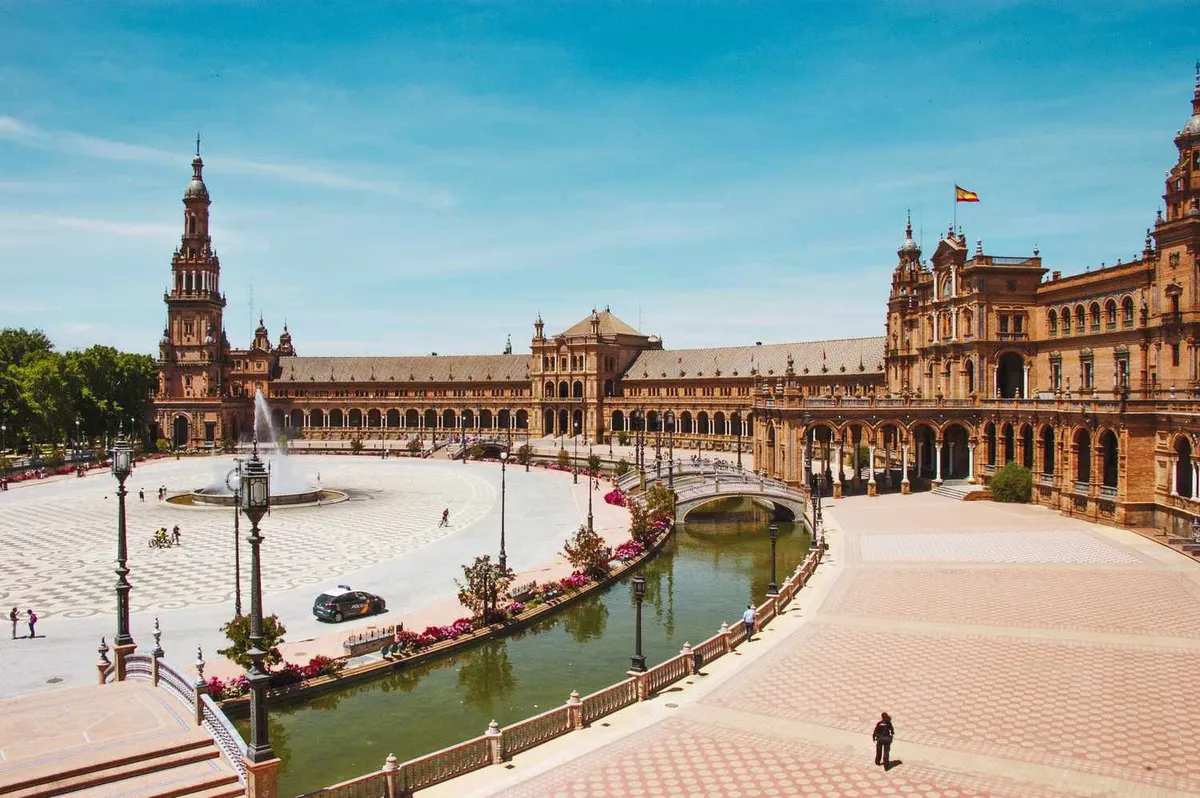
How national cannabis law and Andalusia’s association register apply to Seville.
Concrete contributions from association life, harm-reduction work, medical-policy participation and cultural institutions.

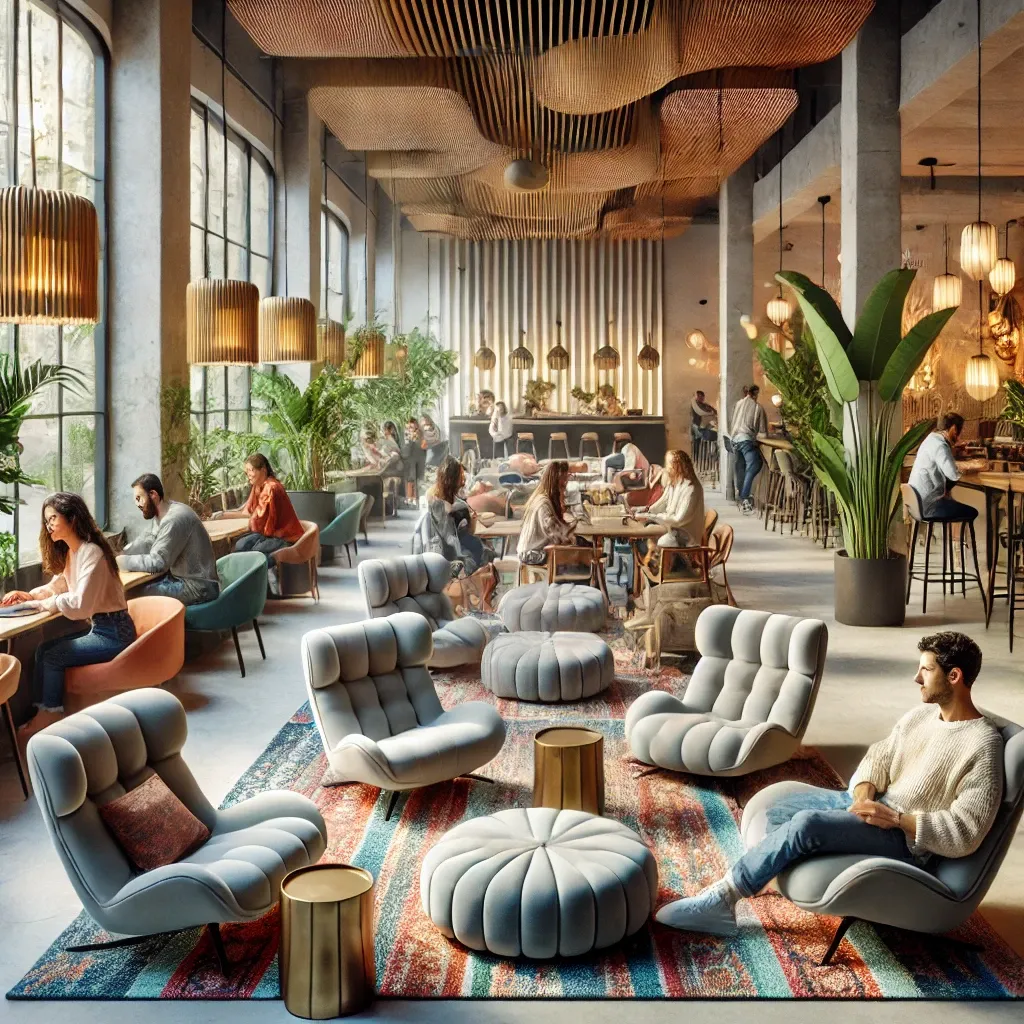
Workplace smoking rules and experimental findings on attention explain the practical boundaries between cannabis culture and professional coworking.
The 2024 process invited public submissions on medical preparations; the resulting framework became Royal Decree 903/2025, with defined medicines oversight.
Cultural and educational volunteering has a defined legal structure: a programme, agreed tasks, training, expenses and protection for the volunteer.
The official records behind an association's identity, purposes and governance.
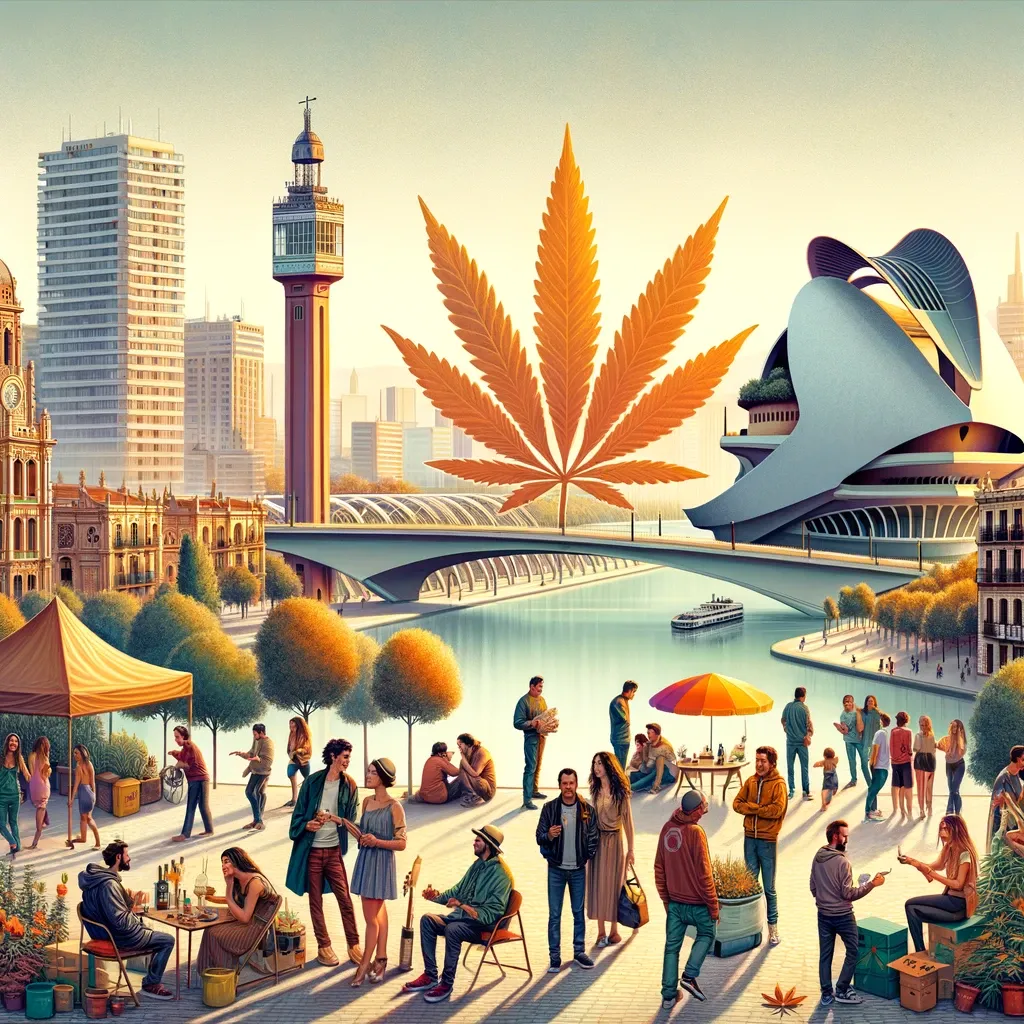
Three documented settings show how hemp and cannabis enter Valencia's cultural and civic history.
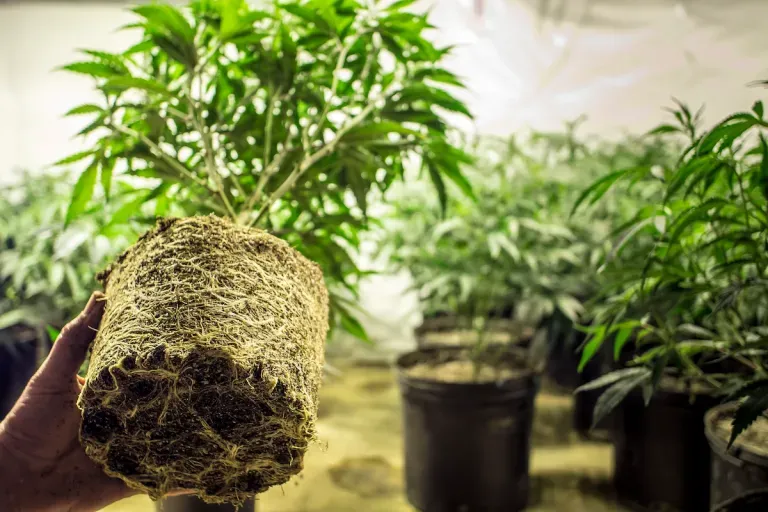
The legal distinctions between industrial hemp, regulated medical or scientific activity and punishable conduct.
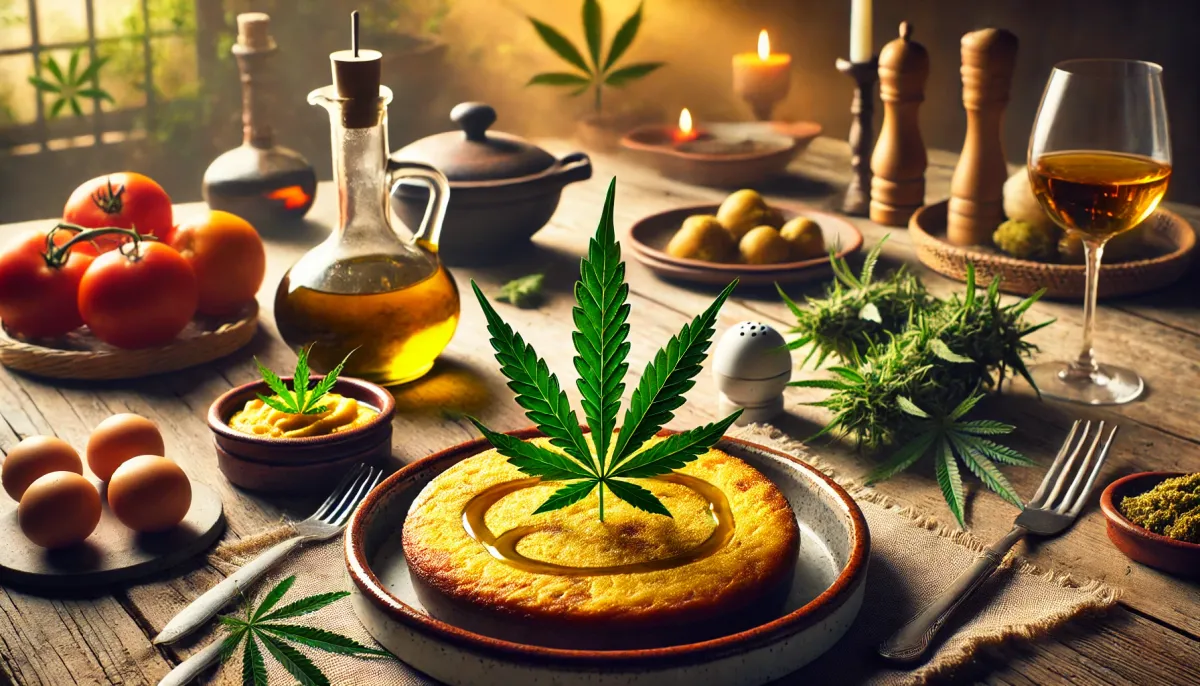
How hemp seed ingredients contribute flavour and nutrition, and what bread research reveals about their culinary behaviour.

Fiction about a photograph, a painted door and the people who keep a small community alive.
The rights and responsibilities that Spanish association law attaches to membership.
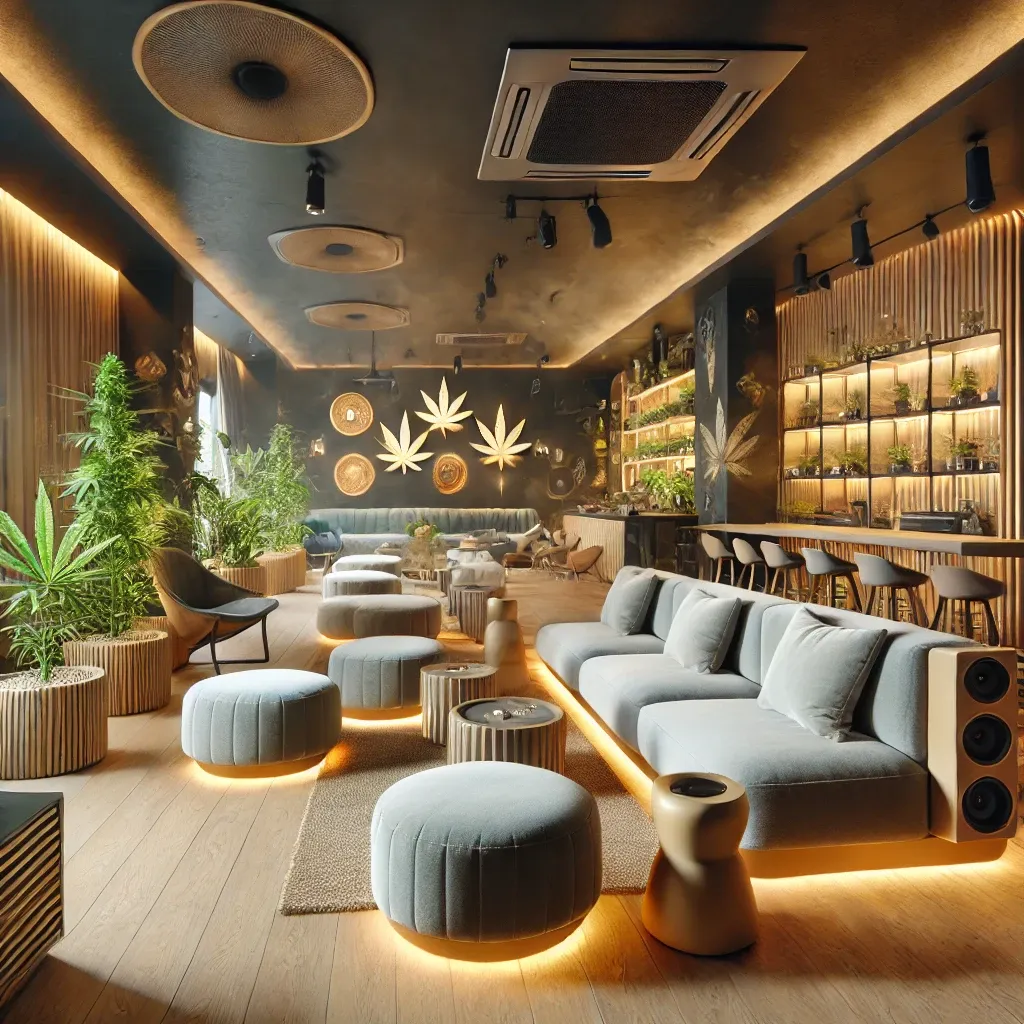
Sofas, music and a shared interior define the social setting of the Vegas profile.

Why seed foods, CBD supplements and authorised cannabidiol medicines have different evidence and regulatory requirements.
The separate legal rules that apply to association membership, public possession and prescribed medicine during travel.
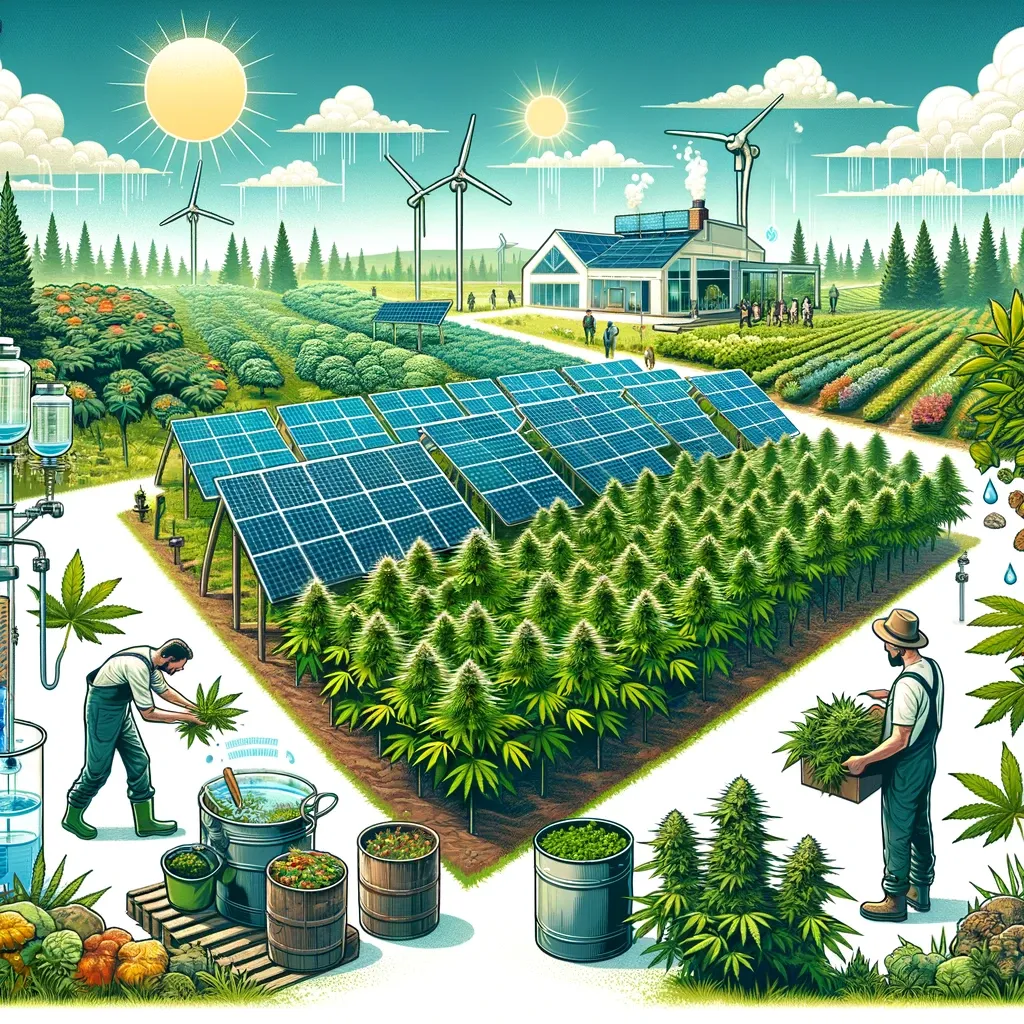
Environmental research shows why production systems and local conditions determine the footprint.

Recent studies reveal changing cell activity, metal particles and the sources of measurement error.
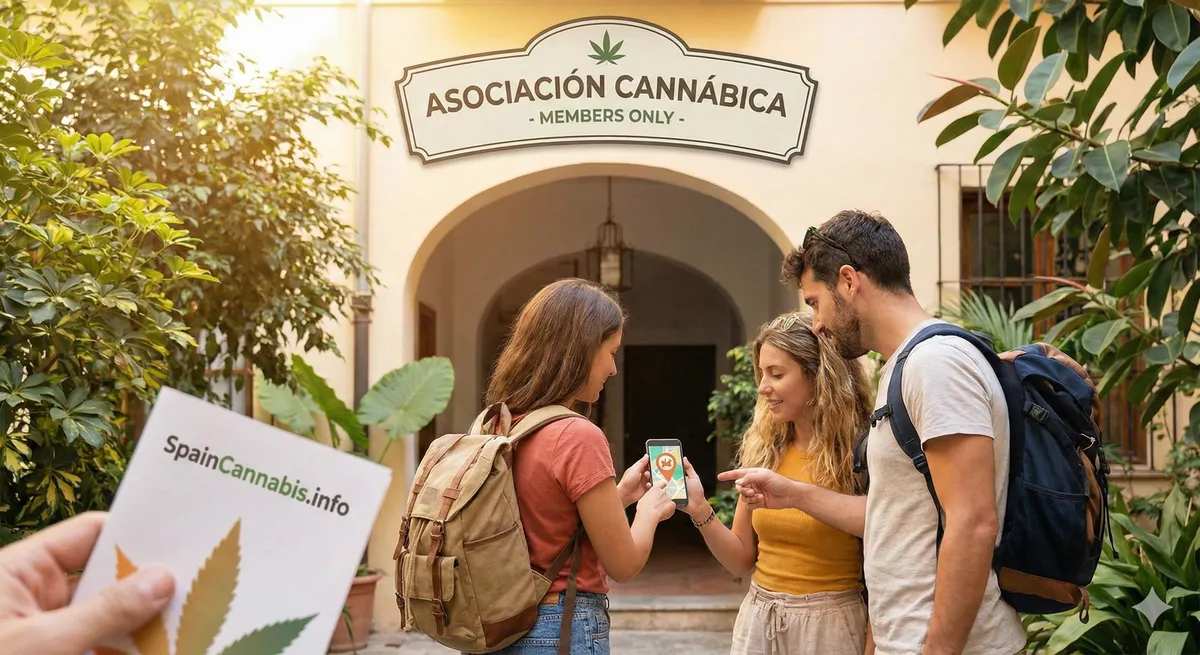
What the October 2025 decree introduced, and how it related to association membership and public-space rules.
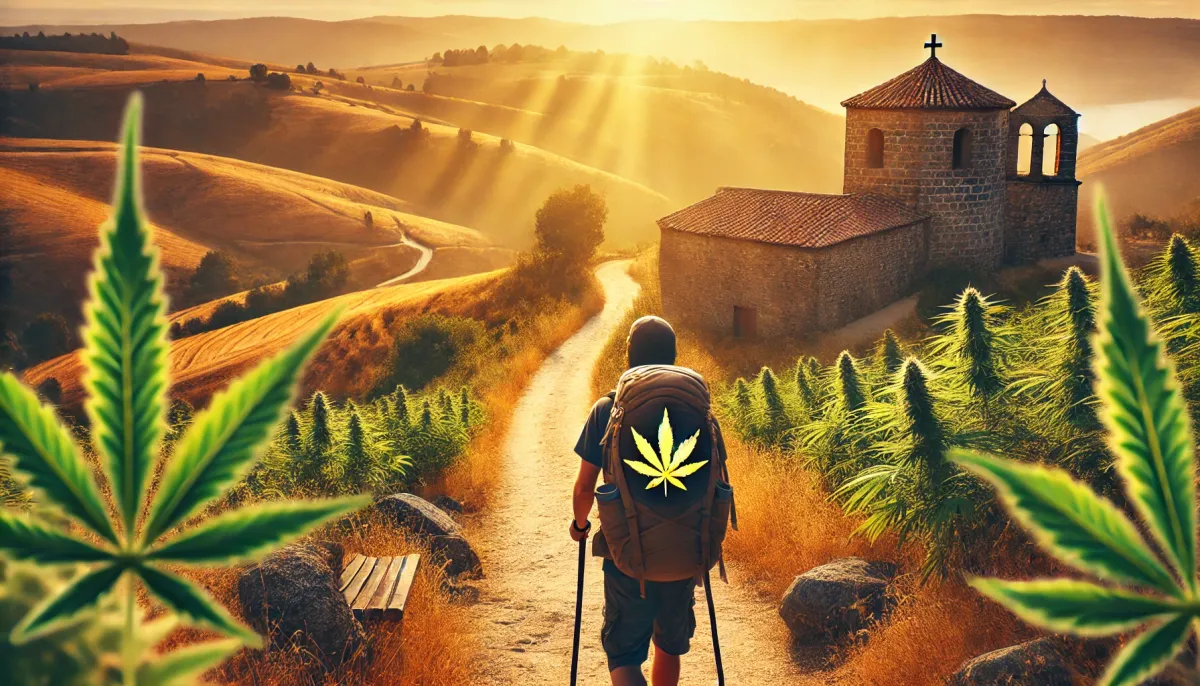
Spain’s public-possession rules apply on the Camino. Galicia’s public hostels have specific hours, and THC can affect abilities needed on the trail.
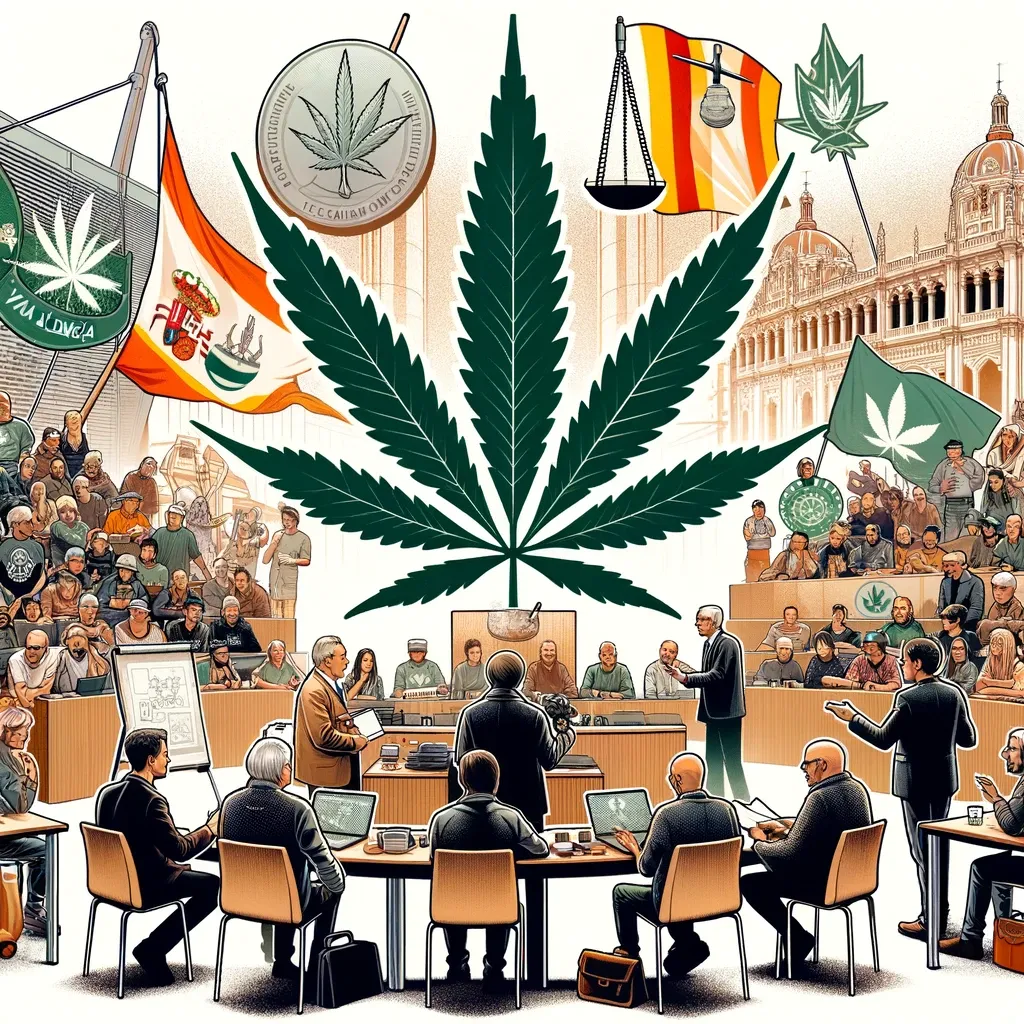
Valencian association law explains how federations are formed, who approves membership, how votes work and which decisions remain with public authorities.
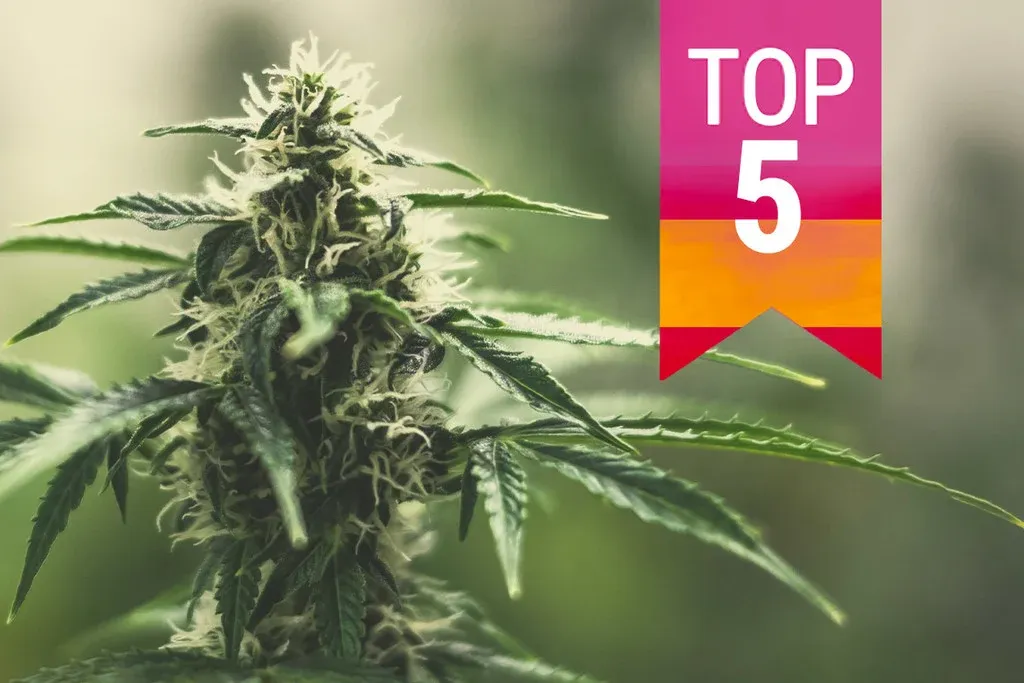
Amnesia Haze, Northern Lights, Cheese, Super Lemon Haze and Critical Mass introduce a wider story about volatile compounds and plant chemistry.
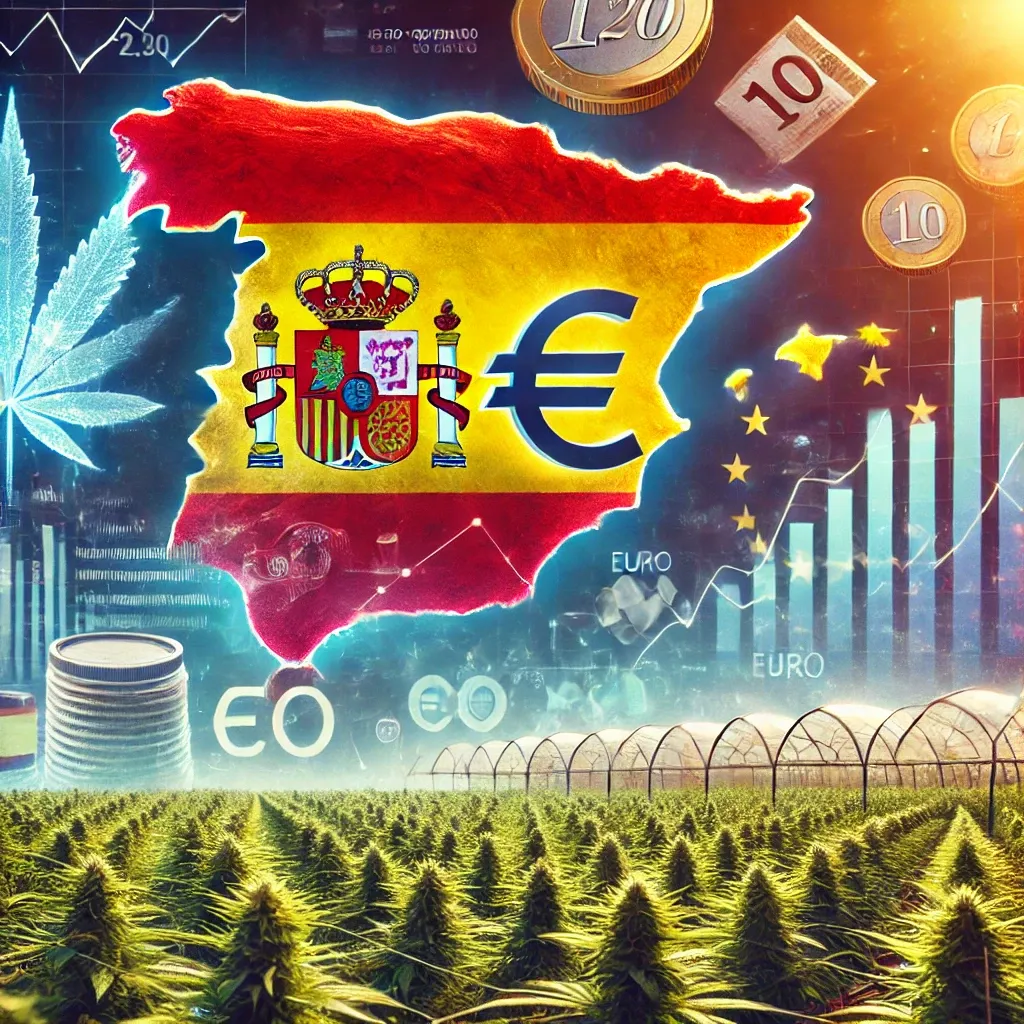
The 2024 industrial hemp cluster and medical cannabis proposal opened different economic paths, with processing, buyers and pharmaceutical quality at their centre.
No matching articles. Try another search.