Compare institutions before comparing labels
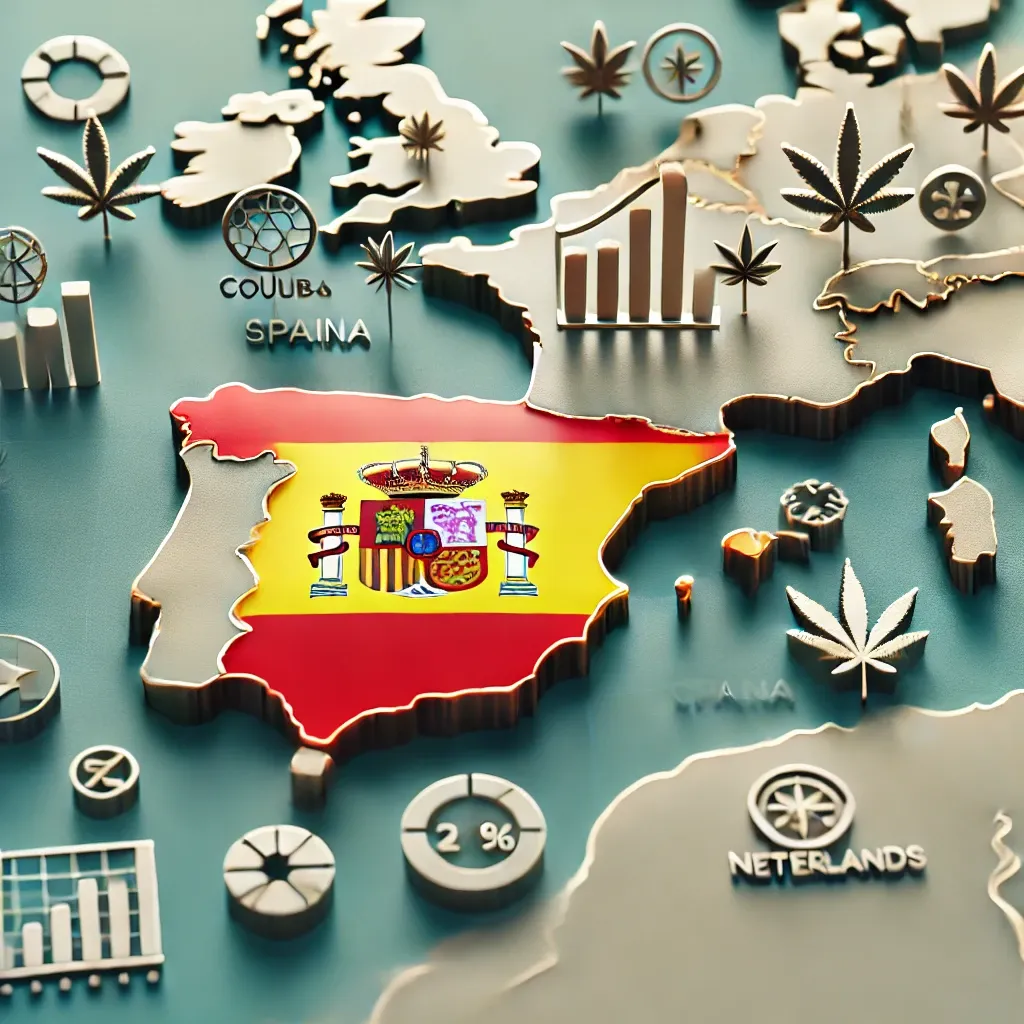
Spain addresses public possession and consumption through administrative law and drug trafficking through criminal law. Germany licenses noncommercial cultivation associations, Malta’s ARUC supervises cannabis associations, and Canada regulates a commercial adult-use market. Each system assigns different responsibilities to authorities and organisations.
Spain separates conduct, organisation and medicine
In Spain, article 36.16 of Organic Law 4/2015 addresses illicit public use or possession as an administrative offence. Criminal Code article 368 addresses trafficking and acts facilitating illegal consumption, including cultivation or possession for those purposes. Spanish law does not provide a universal statutory plant count that makes every home-growing situation lawful.
Associations are governed by Organic Law 1/2002, which regulates their purposes, membership and governance rather than granting a cannabis retail licence. Royal Decree 903/2025 created a separate framework for standardised cannabis preparations in magistral medicines. These are distinct legal subjects, even when they concern the same plant.
Germany and Malta license defined association models
Germany’s 2024 reform established a specific framework for noncommercial cultivation associations, with authorisation and state oversight. The federal health ministry describes requirements including a prevention representative, health and youth-protection arrangements, documentation and restrictions on advertising. This is a defined regulatory model, not simply an informal group calling itself a club.
Malta’s Authority for the Responsible Use of Cannabis likewise publishes licensing guidelines for Cannabis Harm Reduction Associations. Its model includes specific organisational obligations and does not allow cannabis consumption on association premises. The shared word association therefore conceals important differences between countries, including what an organisation may do and what the premises are for.
Canada shows why market and survey data differ
Canada has a regulated commercial market whose recreational retail sales can be measured: Statistics Canada reported C$5.5 billion in fiscal 2024/2025. That is a market statistic, not a measure of the percentage of residents using cannabis.
Spain’s EDADES 2024 household survey covers people aged fifteen to sixty-four and reported past-year cannabis use of 12.6 percent. Comparing that directly with a sales total would be meaningless. Even international prevalence percentages require matching age ranges, reference periods and survey methods before drawing conclusions about policy.
Sources & further reading
General information, not individual legal or medical advice.