Culture
↗Cannabis in books and film: Baudelaire and Reefer Madness
A nineteenth-century literary essay and a twentieth-century warning film gave cannabis very different dramatic roles.

Stories and explainers about cannabis in Spain: associations, law, research and culture.
Articles found: 63
A nineteenth-century literary essay and a twentieth-century warning film gave cannabis very different dramatic roles.
Spain now has a defined framework for standardised cannabis preparations and a published oral-solution monograph, with hospital prescribing and follow-up.
Shared food, conversation and everyday greetings explain more about social life than the idea of one national routine.
Barcelona’s club debate combines public health, neighbourhood commerce and competing ideas about regulation. Council records and member research show where the disagreement lies.
Catalonia’s 2017 law, its 2018 annulment and Barcelona’s later council debates show how club culture became an institutional question.
Chemical residues connect cannabis to two ancient ritual settings, while leaving the participants’ experiences and medical purposes unresolved.
Ten films show how cannabis became a warning, a comic device, a marker of friendship and a subject for documentary argument.
A cultural portrait of Holy Week, with Valencia’s 11–20 April 2025 celebrations and the distinctive settings of three other Spanish cities.
From Sinterklaas to Reyes, different holiday calendars and different social institutions shape the comparison between Dutch coffeeshops and Spanish cannabis associations.

Hemp seeds, seed oil and cannabinoid extracts serve different purposes. Their composition explains both culinary uses and the food rules that apply in Spain.
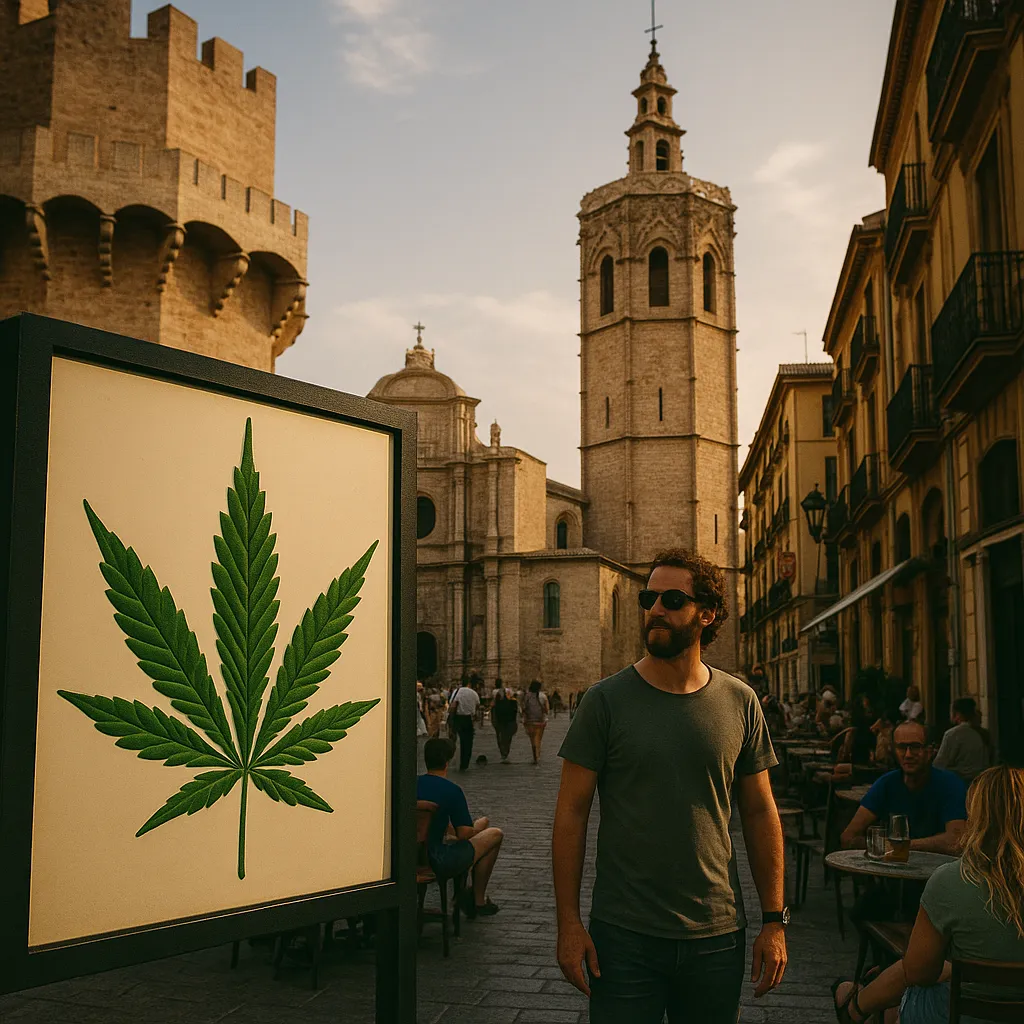
Ciutat Vella brings together Roman foundations, the Silk Exchange and a working food market. These places explain the city that surrounds its modern cannabis associations.

An association’s environmental footprint includes energy, materials and travel. The 2025 sustainability debate becomes concrete when these different sources of impact are separated.

Archaeology at Arad and Smithsonian documentation of Rastafari show two concrete religious settings. The meaning of cannabis comes from ritual and belief as well as bodily effects.
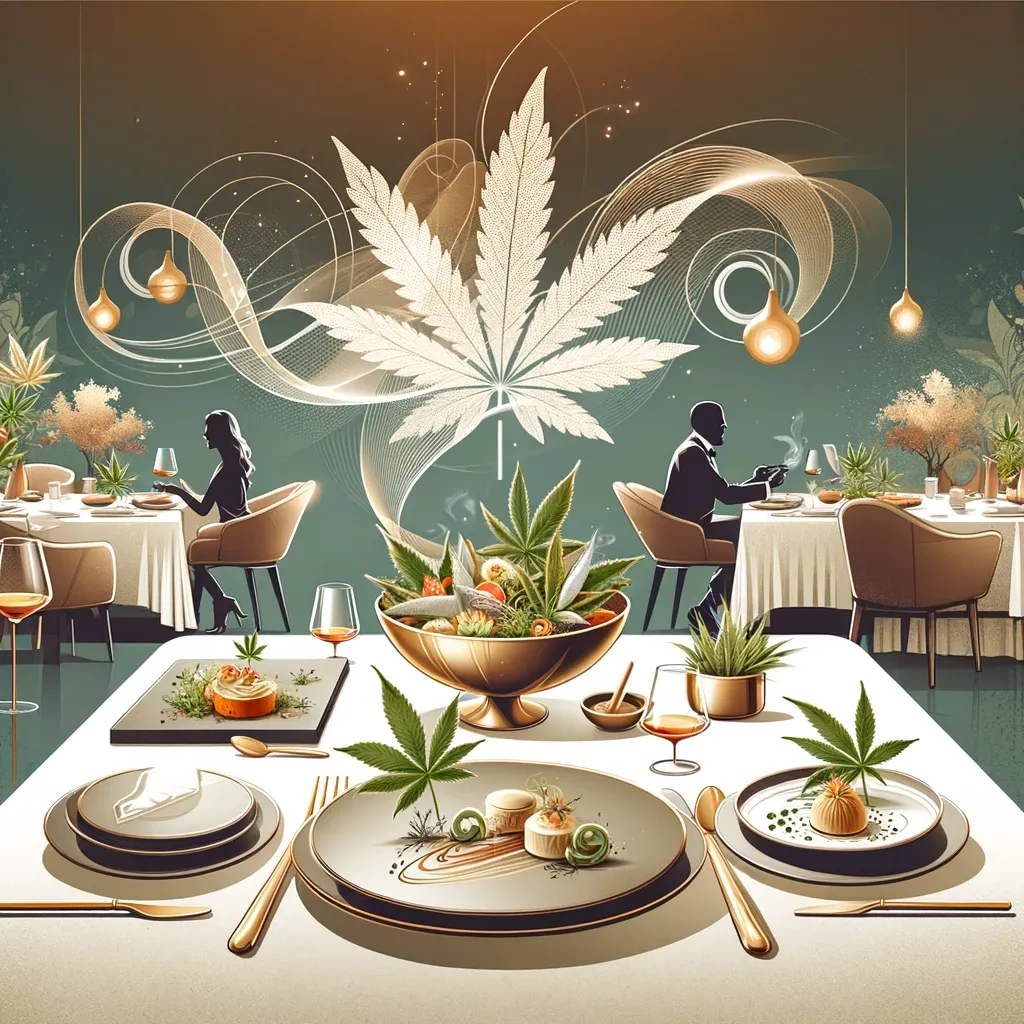
Hemp seeds, botanical flavour and cannabinoid extracts are different ingredients. Spanish food rules attach to composition and claims, even when a menu uses the same cannabis imagery.
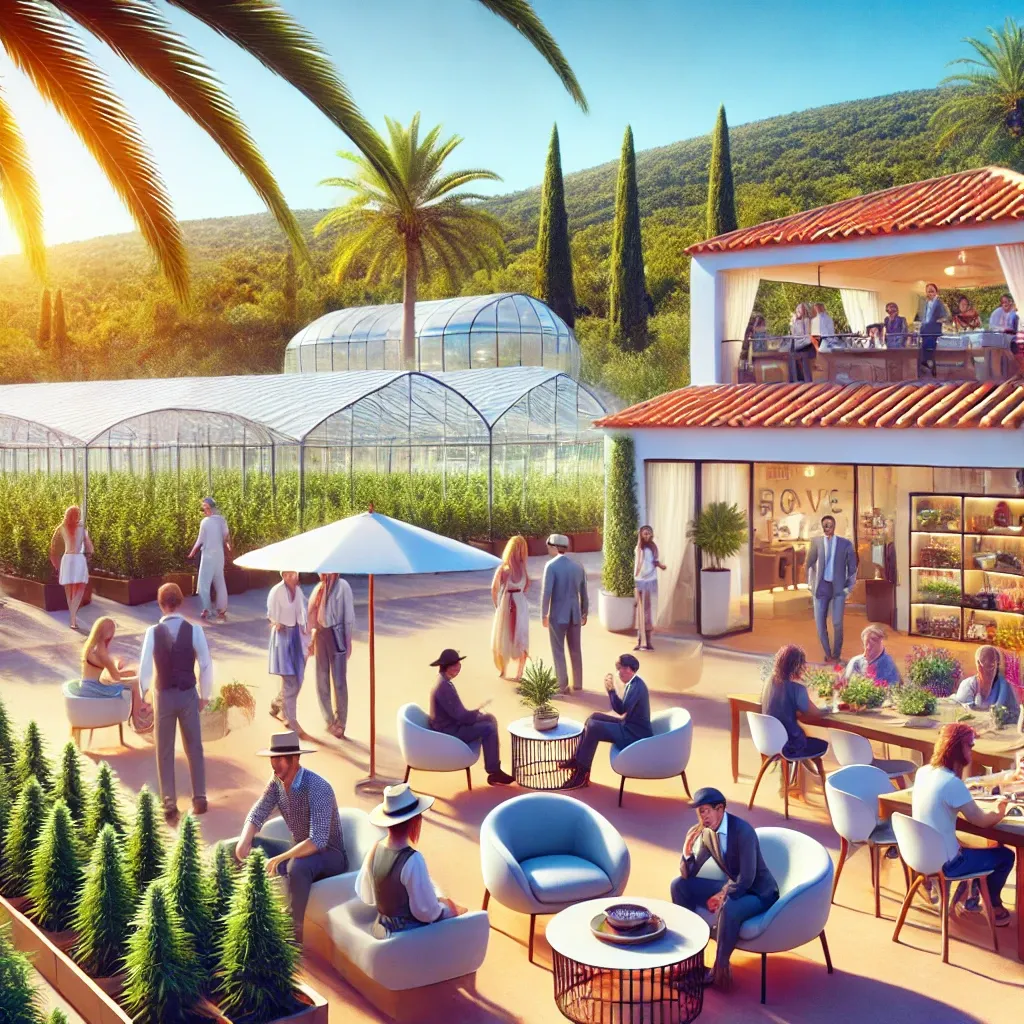
Barcelona and Amsterdam show how cannabis can become a cultural subject for visitors, while fairs create a separate professional travel circuit.
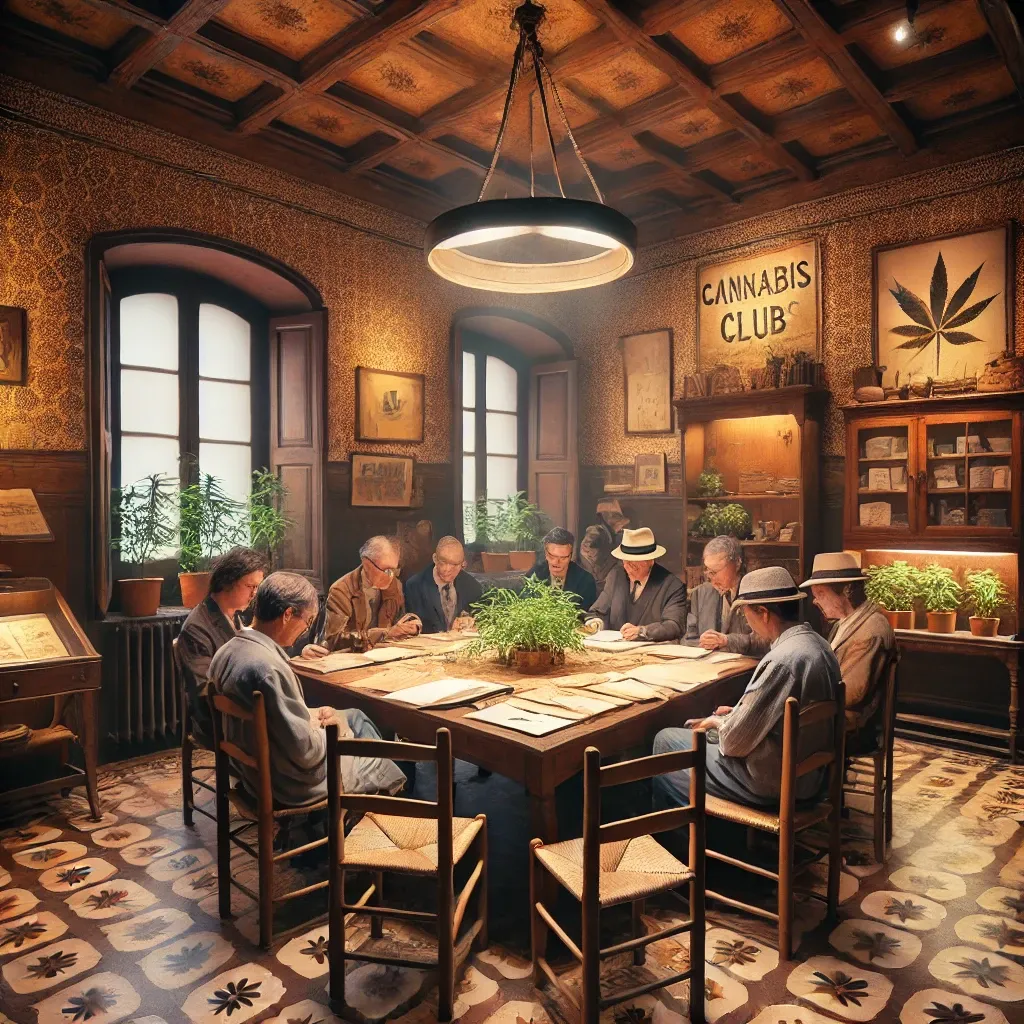
The model grew through association experiments, court cases and legal debate. ARSEC’s 1997 conviction was a turning point, not a national club licence.
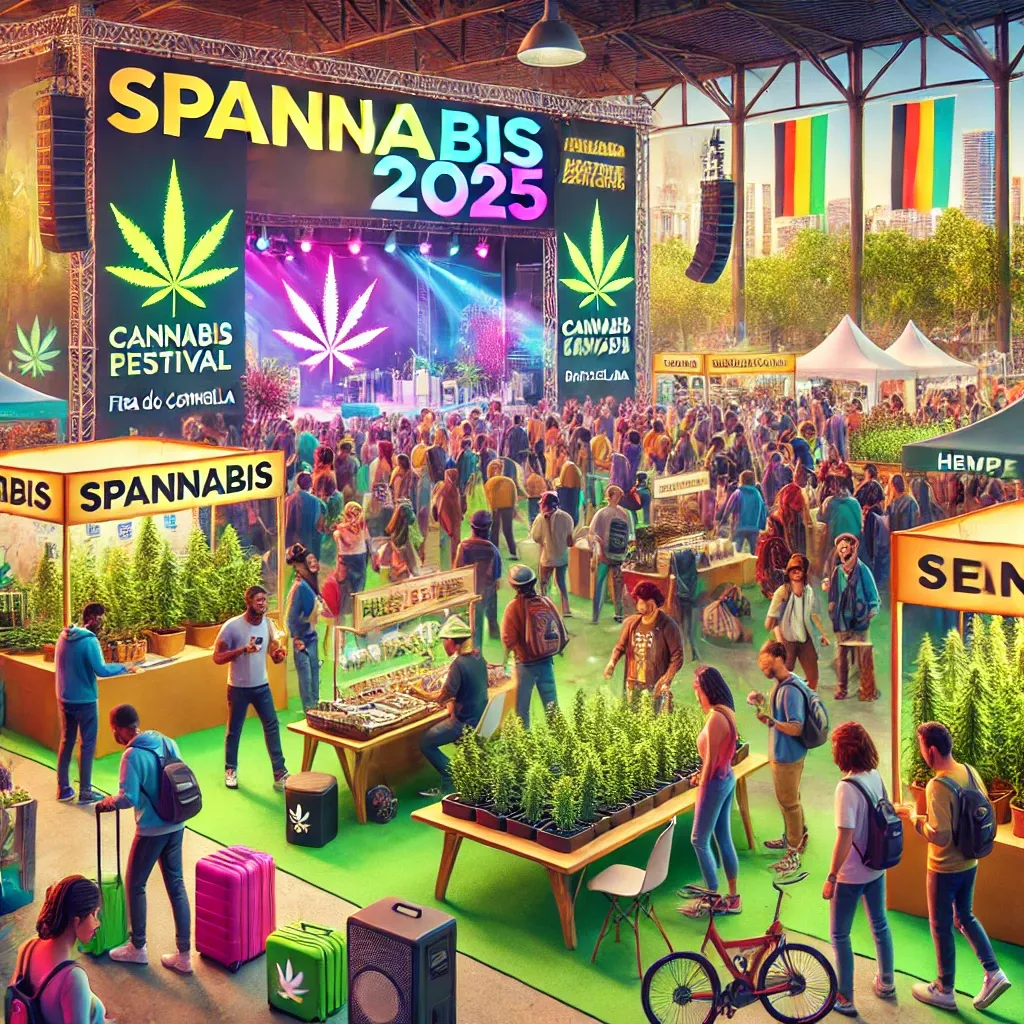
The March 2025 edition paired a three-day trade fair with discussions of cinema, women in the sector, policy and medicinal cannabis.

A retreat combines activities and accommodation. Its travel obligations and its health claims belong to different systems.

Five fictional holiday scenes about a missing key, an old poster, a stubborn radio, a borrowed chair and an unexpected visitor.
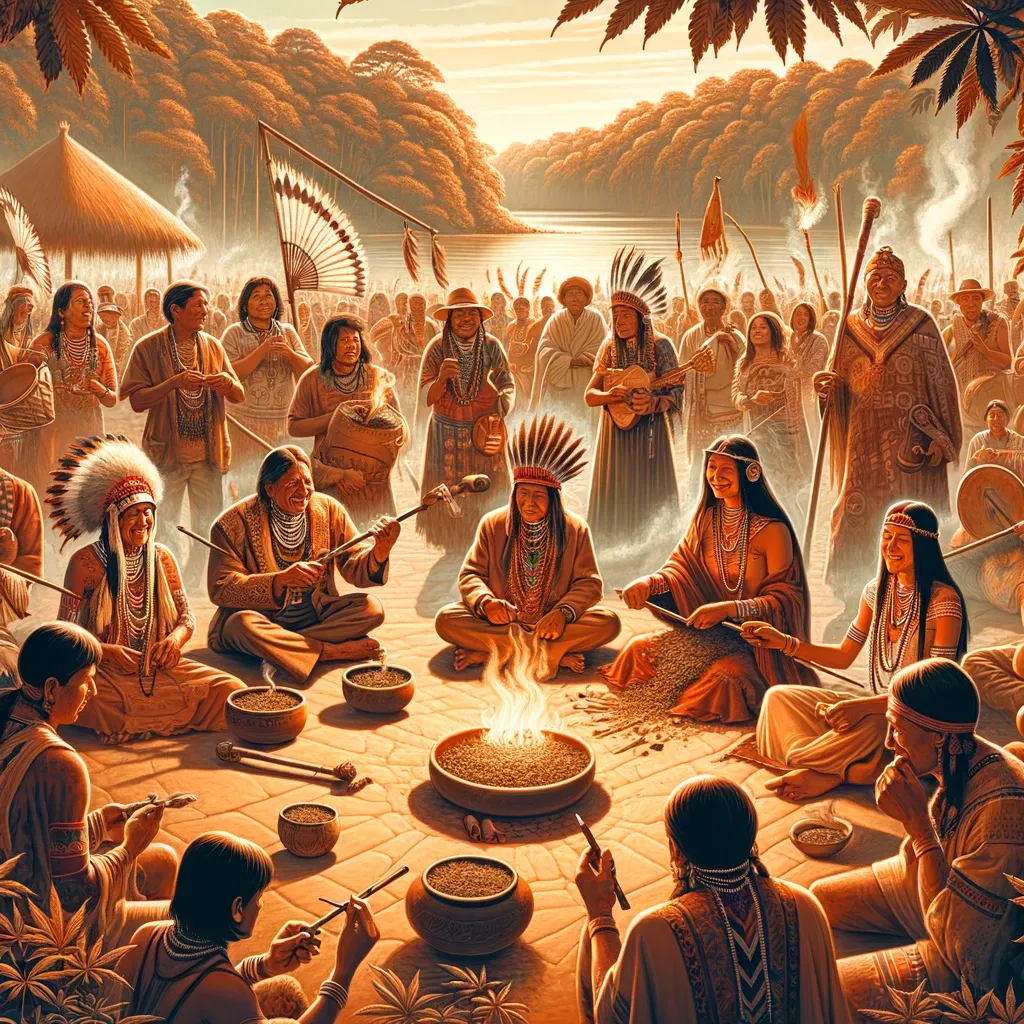
Three distinct histories—ancient Pamir funerals, Rastafari religious recognition and Castelló’s hemp exchange—show why cannabis culture is not one tradition.
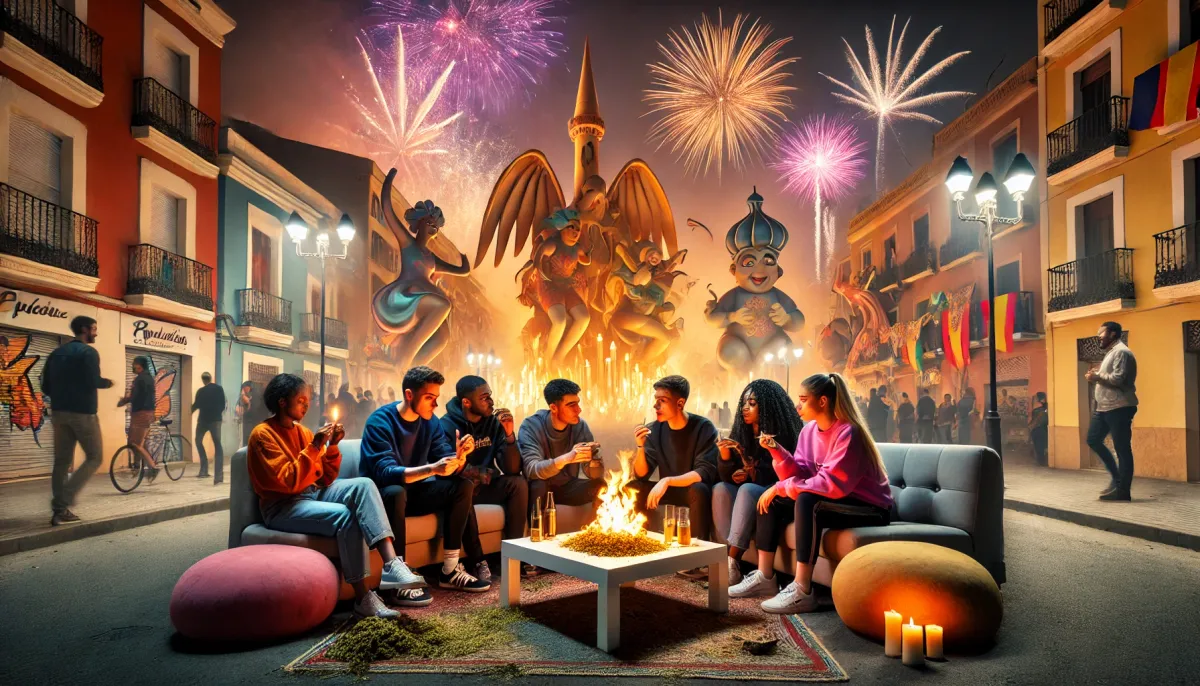
How Fallas transforms Valencia through neighbourhood monuments, mascletàs, flower offerings and the cremà—and where cannabis fits within that public setting.
Three Italian friends discover that a journey through Barcelona’s cannabis culture is also a conversation about friendship, belonging and the meaning of an association.
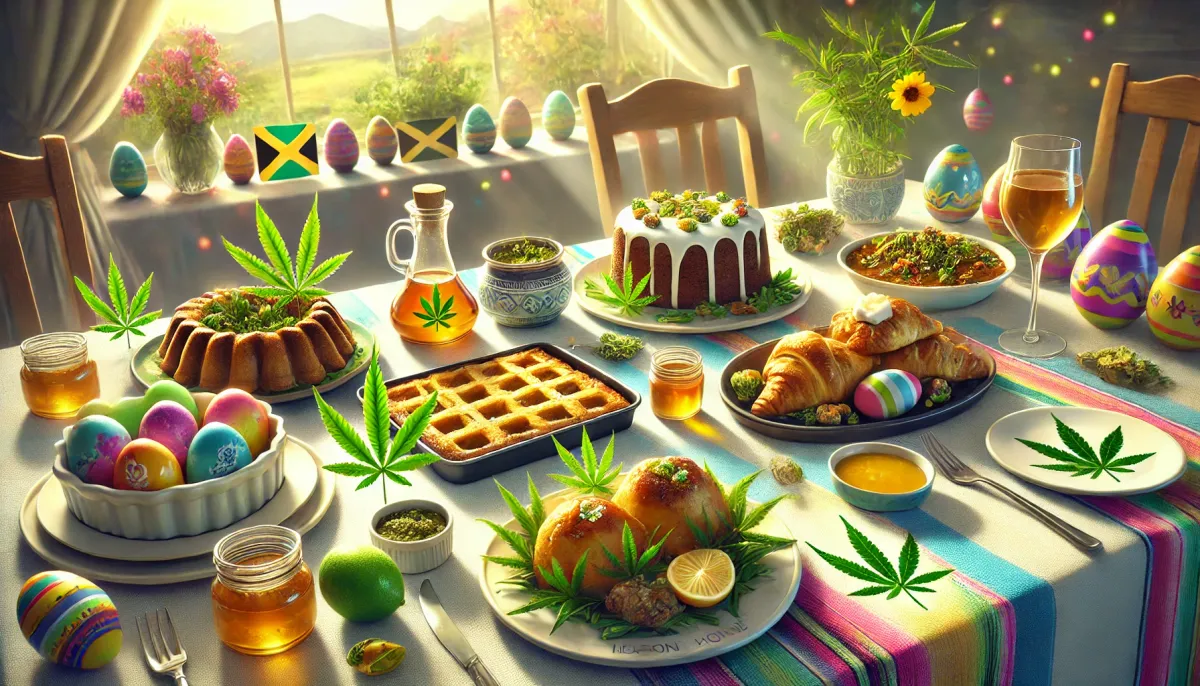
Torrijas, monas and Italian colomba have their own Easter histories. Adding THC changes a food’s effects, not its cultural pedigree.

Some of the most consequential cannabis innovations improve the reliability of a laboratory result or the identity of a medical preparation, rather than changing how a product looks.
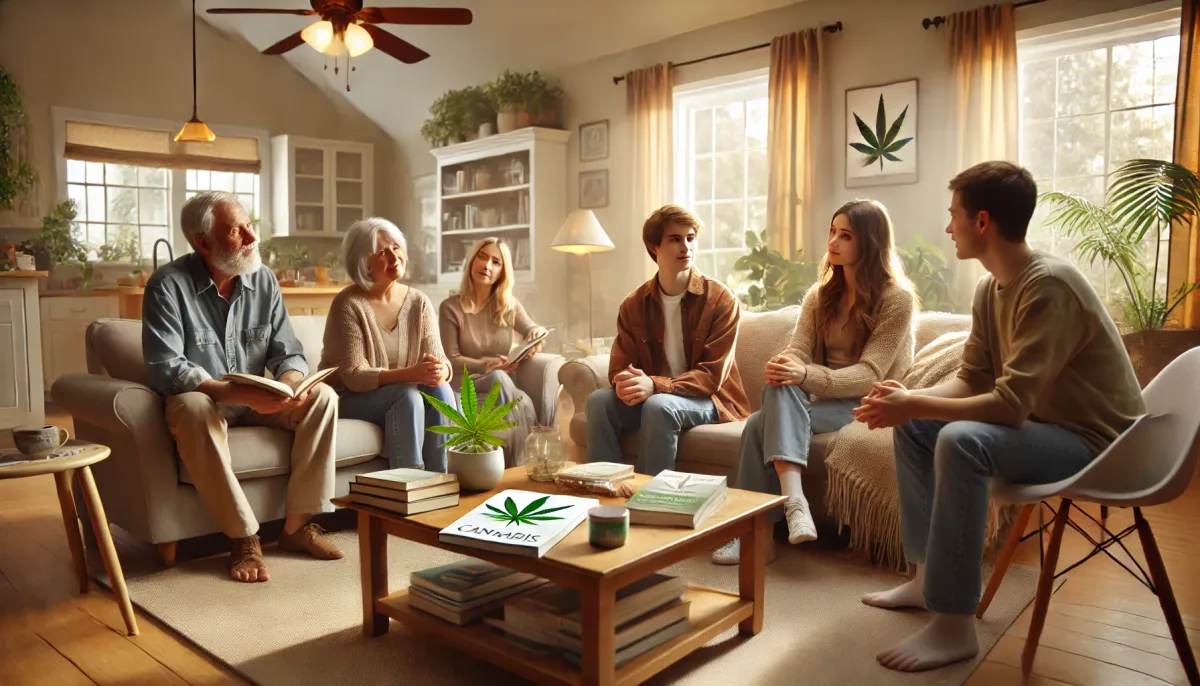
A practical approach to discussing adult cannabis use, listening to family concerns and agreeing on driving, caregiving and household boundaries.

Research separates the feeling of inspiration from creative performance, with different results for mood, idea evaluation and divergent thinking.
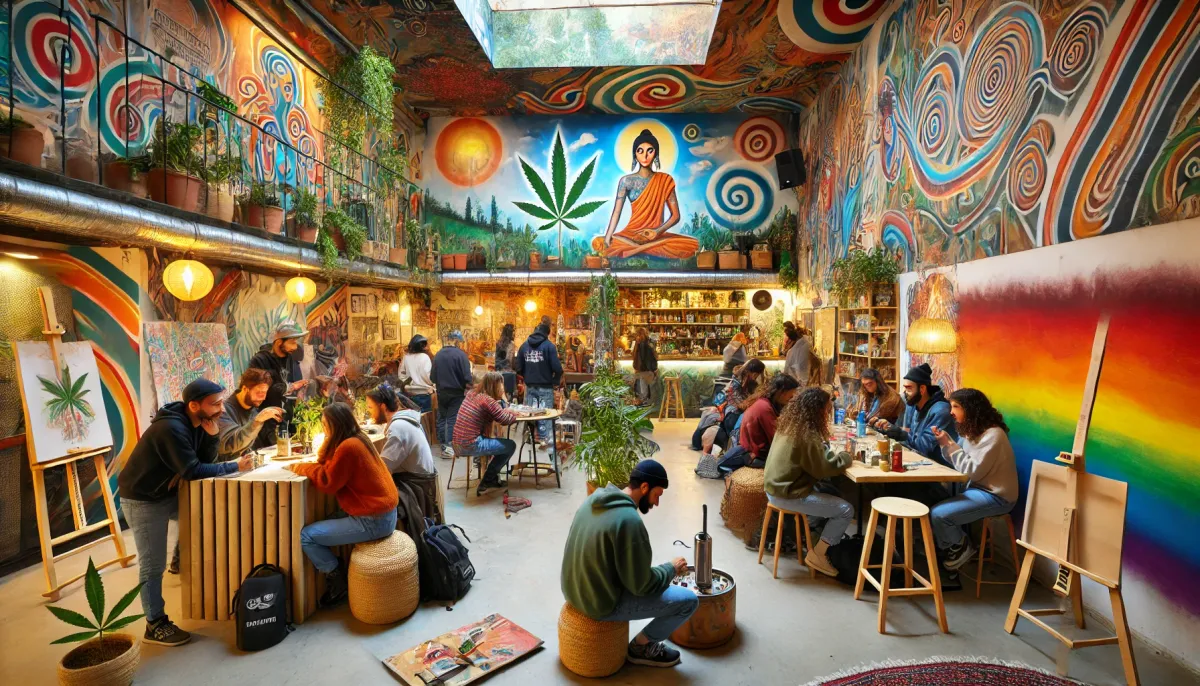
How social clubs connect with Valencia's diverse civic life, and what research reveals about lasting membership and participation.
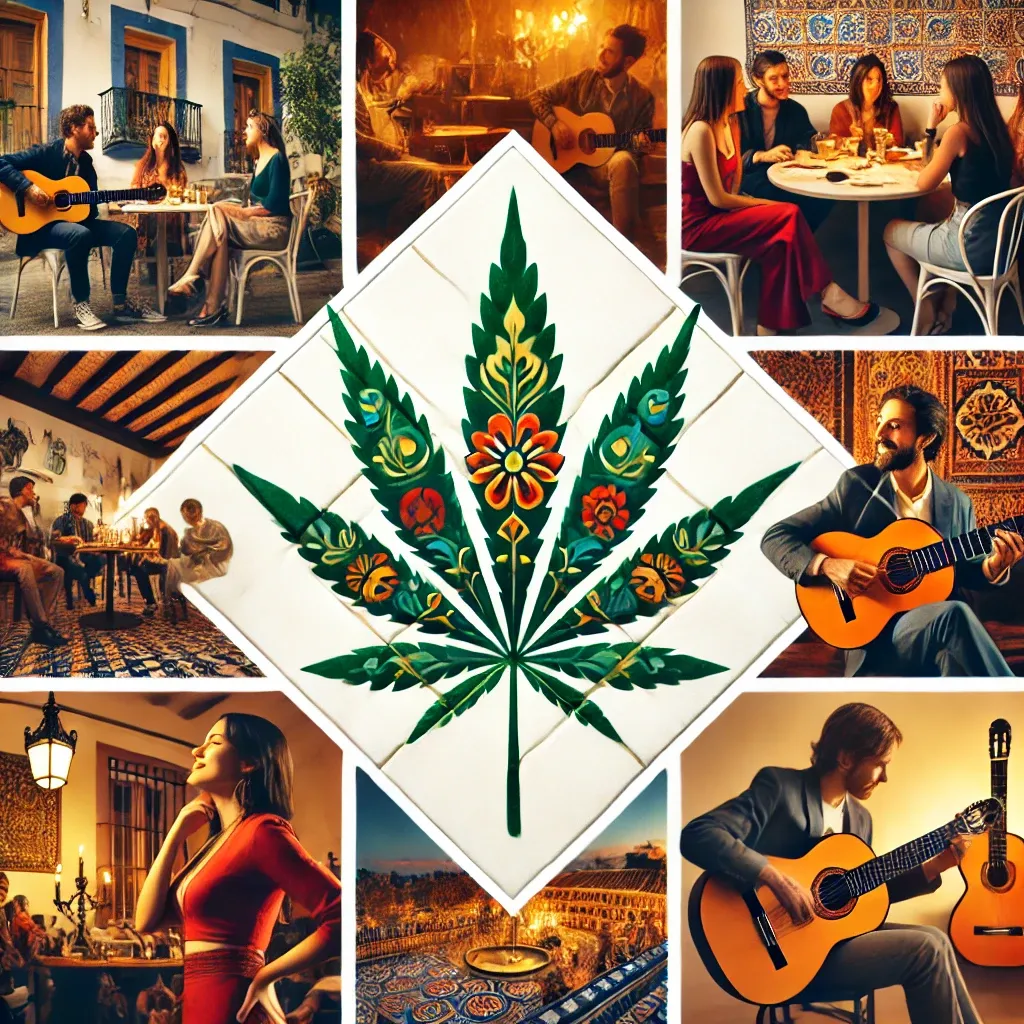
A historical view of the movement's collective identity, member participation and harm-reduction arguments, with findings from club research.
Three distinct strands of cannabis culture, from hemp textiles and Rastafari religious discourse to modern associations and museum collections.
How cannabis can participate in consumer culture, why use and consumerism are different concepts, and what price, branding and governance reveal.
A Barcelona study of 2,007 members and the practical rights that distinguish an association from an ordinary venue.
How associations, public-space legislation, a Barcelona museum and medicinal regulation developed along separate paths.
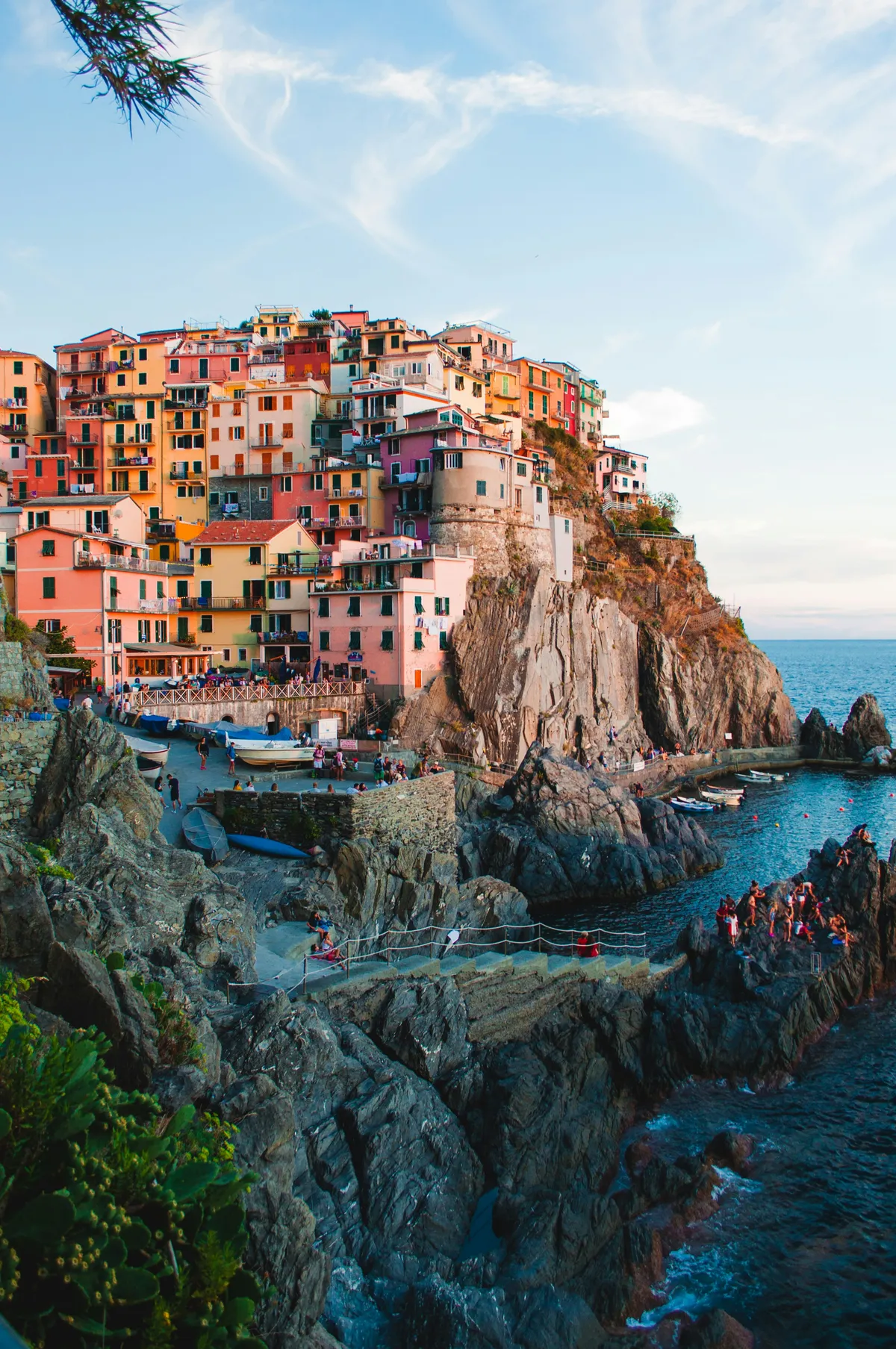
From Callosa’s hemp heritage to Barcelona’s museums and cannabis conferences, the plant occupies several different cultural spaces.
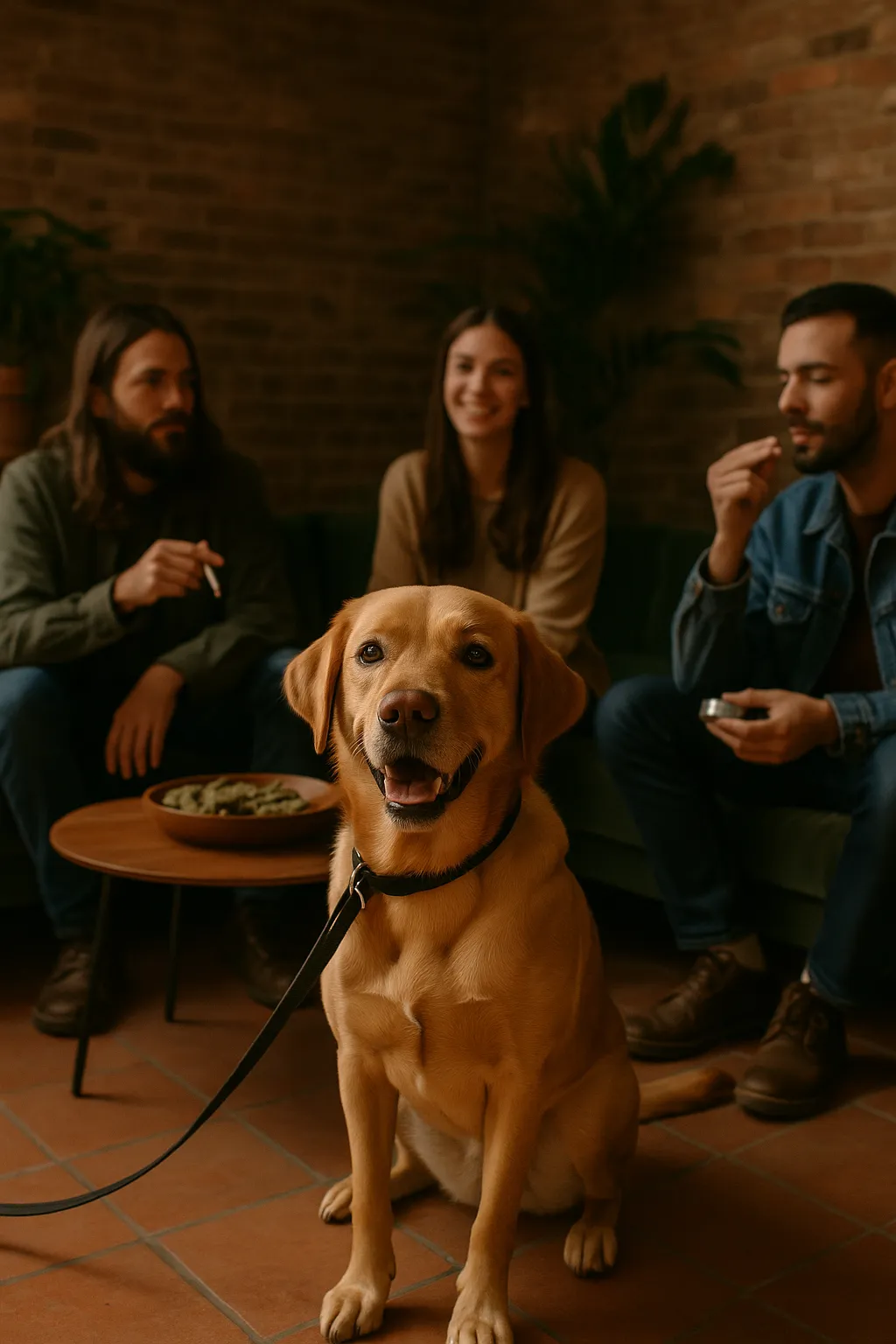
Dogs and cats can develop cannabis poisoning. A pet-friendly atmosphere does not remove exposure through products, discarded material or smoke.
Callosa de Segura’s demonstrations and Castelló’s former hemp exchange connect industrial history with present-day cultural life.
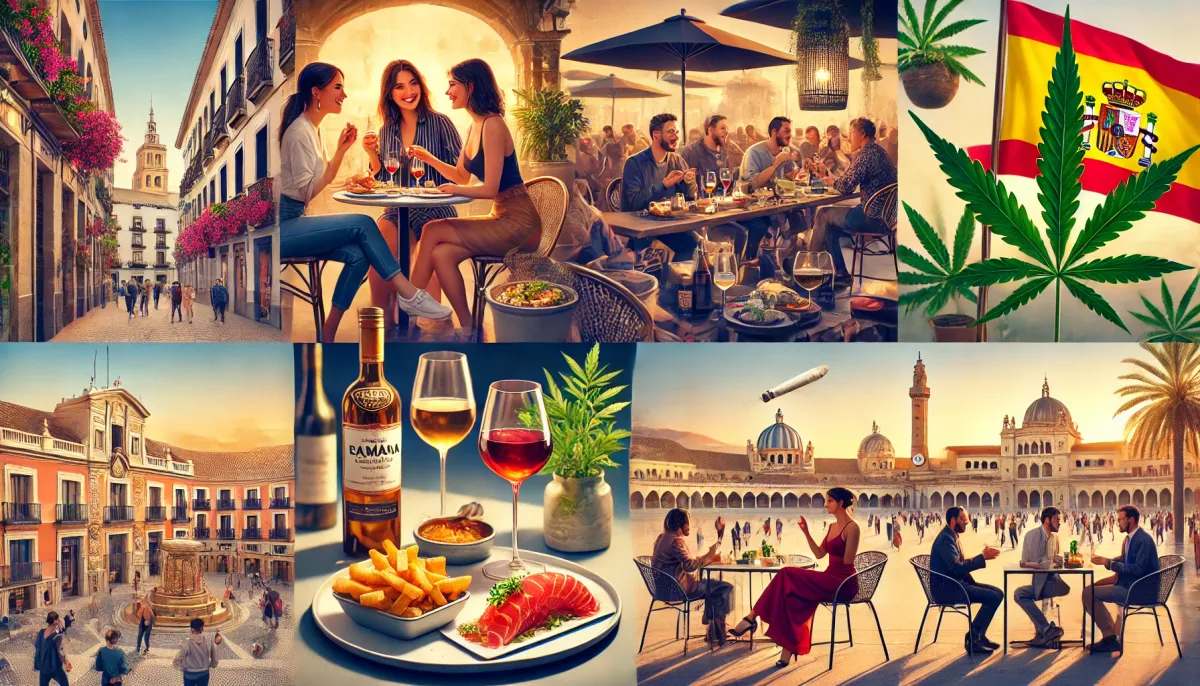
Concrete public settings for social life, and how a cannabis association differs from them.

A literary classic, a study of Rastafari and a major scientific report offer three distinct entry points.
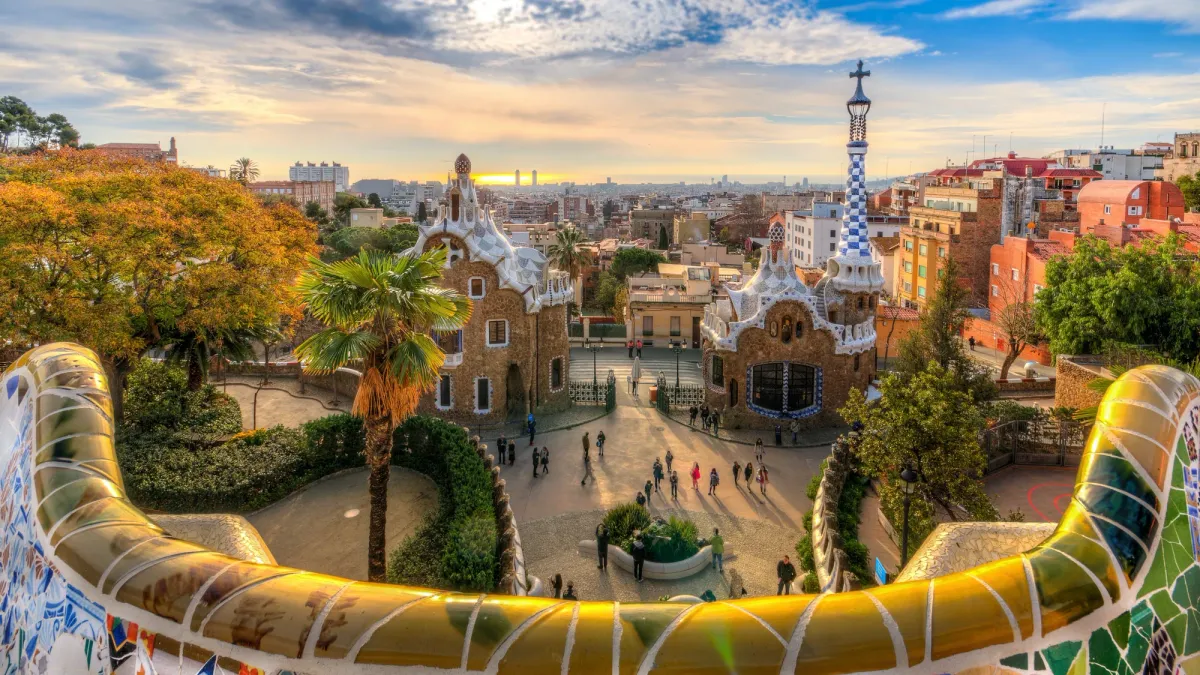
Cannabis-related travel can explore real collections and historic buildings. Barcelona’s cannabis museum and Castelló’s hemp exchange offer two concrete cultural subjects, while friendly advertising has no independent legal force.

A blocked entrance, a threat and an official closure are different events. Spain’s reporting and victim-support framework explains the distinction without turning an accusation into a finding of guilt.
How cannabis tourism intersects with association life, municipal oversight and the everyday use of Spanish neighbourhoods.
A Valencia itinerary connecting markets, textile history, the Turia gardens and the maritime neighbourhoods.
A practical group plan built around Valencia's food, outdoor spaces and culture, with clear budgets, voluntary participation and sensible transport.
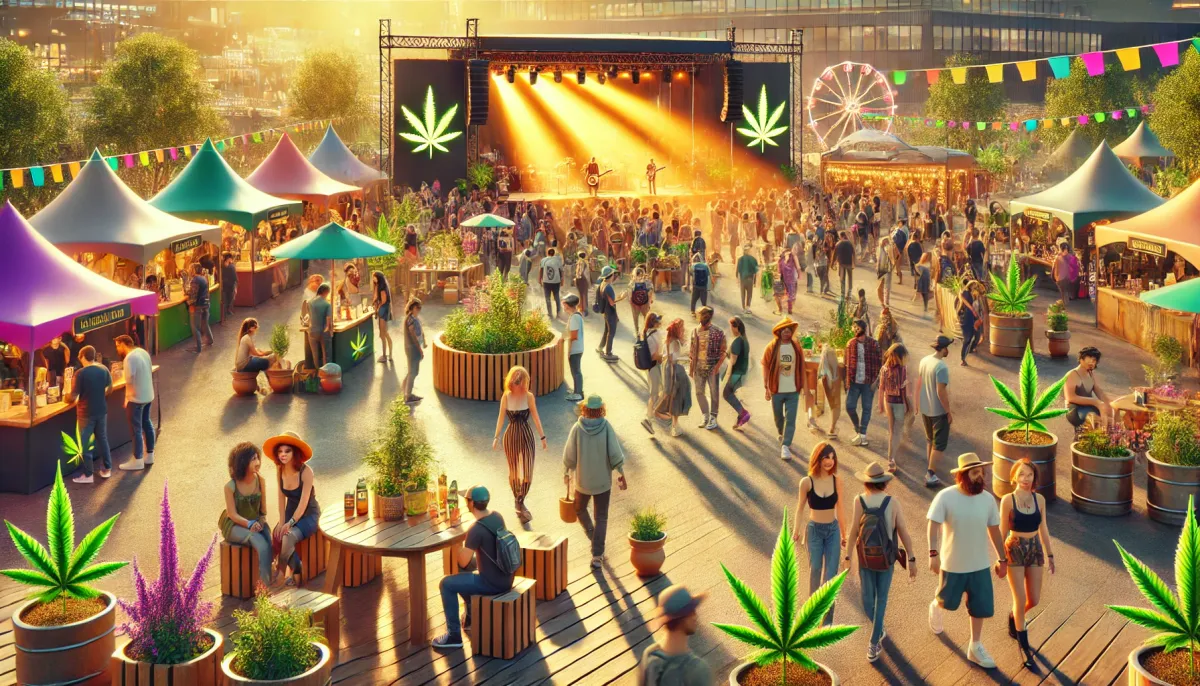
A historical guide to three documented 2025 events, their venues, dates and different combinations of exhibitions, conferences and festival programming.
A historical look at documented travel interests around cannabis, including Spannabis and Barcelona's museum, within Spain's wider tourism year.
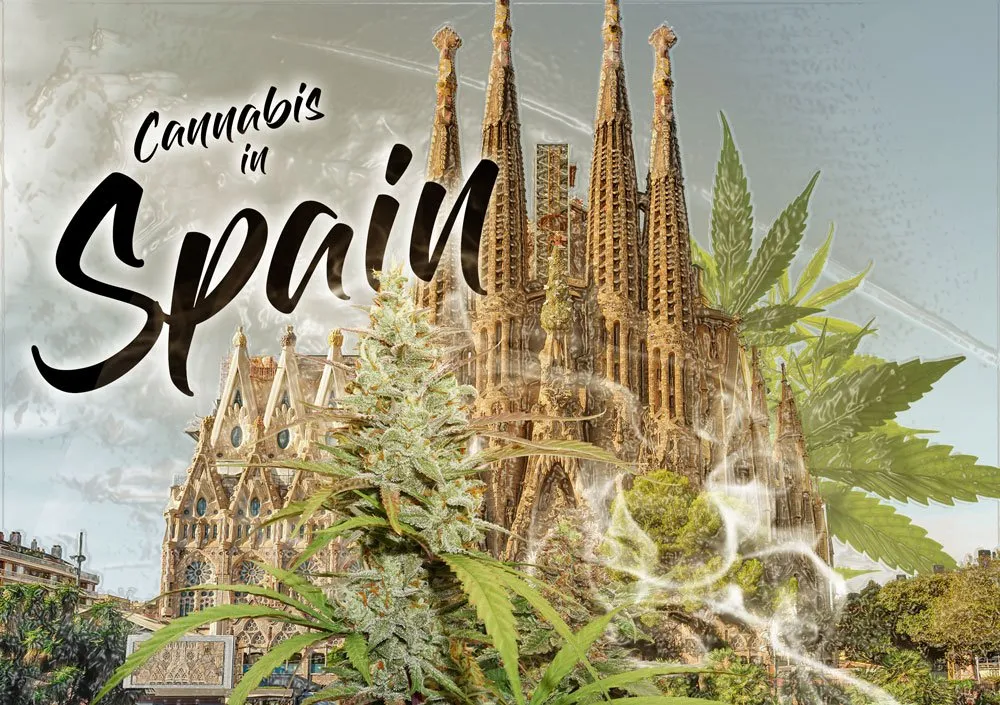
Barcelona's cannabis museum, the Cornellà editions of Spannabis and the 2026 exhibition in Bilbao form distinct parts of the cultural story.
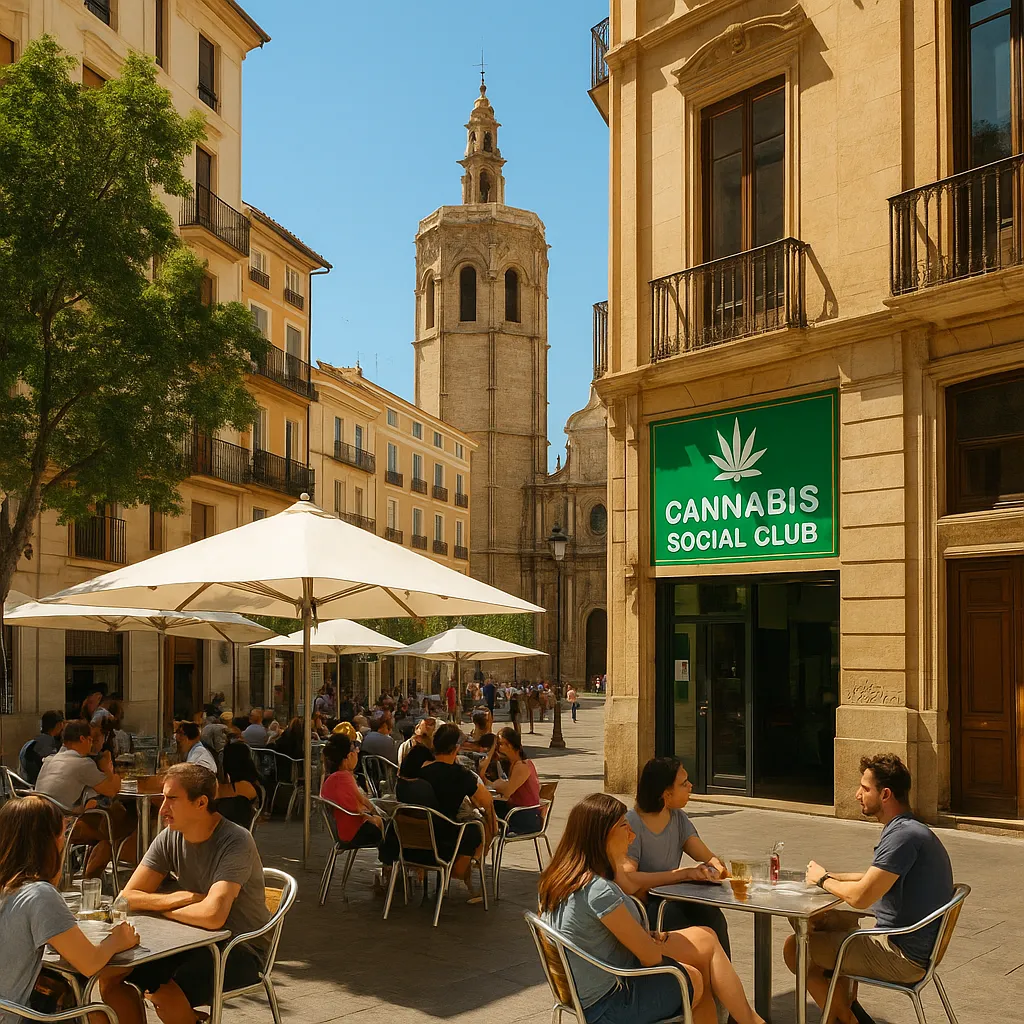
A historical look at four events that brought different audiences and cultural traditions into Valencia's public spaces.
The meaning of the Baixà, the dawn procession to San Antonio beach and the musical programme of Cullera’s 2025 patronal festival.
Names, genetics and chemical profiles describe different things. Laboratory studies explain why a familiar cannabis name does not define a uniform product.
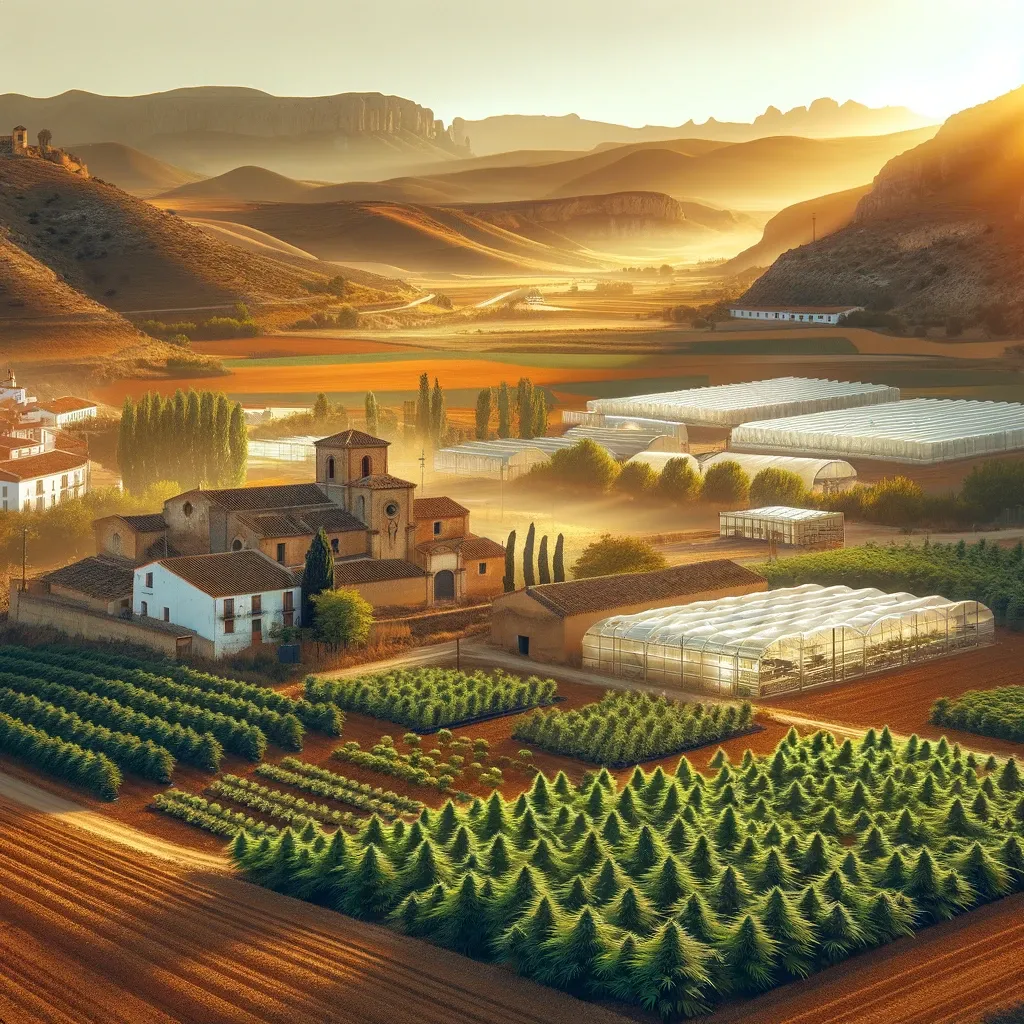
Callosa de Segura’s rope and footwear trades explain the historical fibre economy. Modern industrial hemp and authorised medical production follow different purposes.
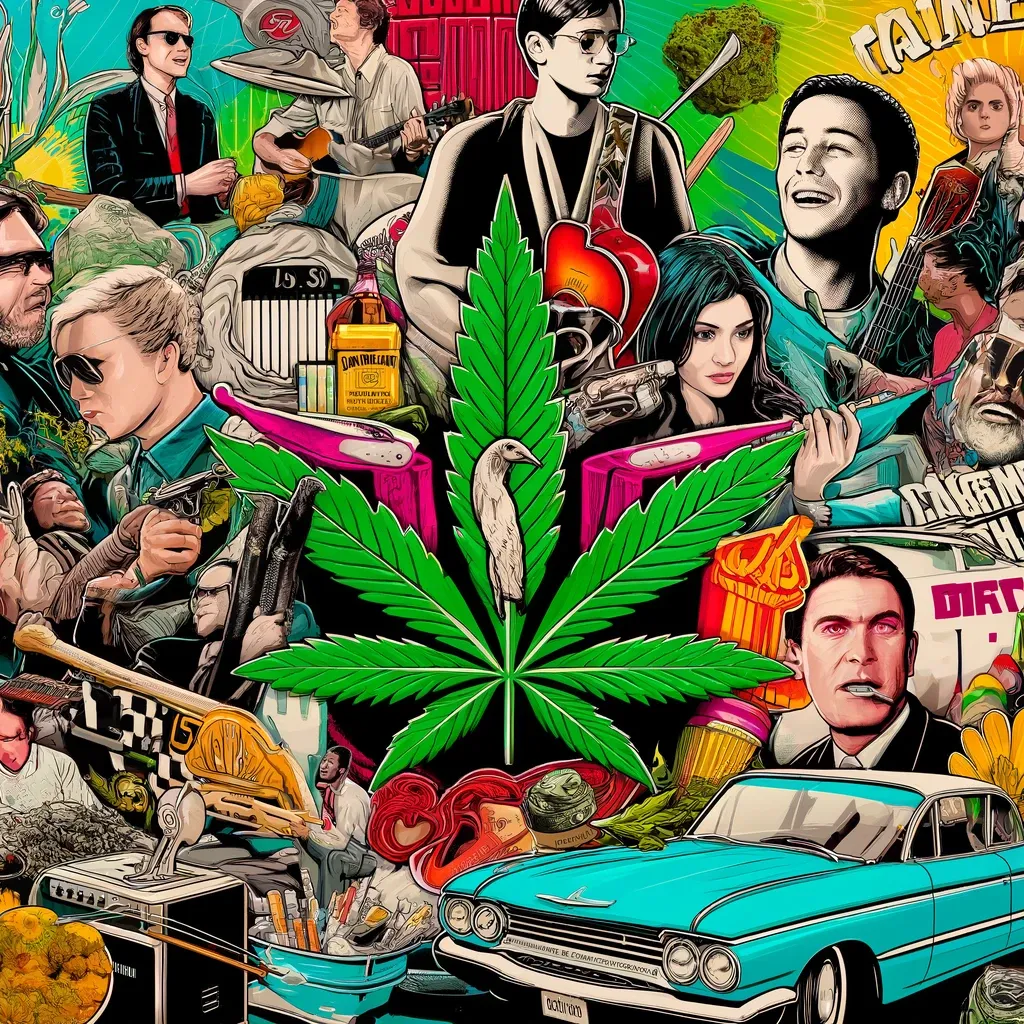
Reefer Madness, Weeds and Disjointed place cannabis in three different stories: public danger, suburban survival and everyday workplace comedy.
Two cultural stops reveal different sides of cannabis history: Barcelona’s museum collection and the hemp-working heritage of Alicante’s Vega Baja.
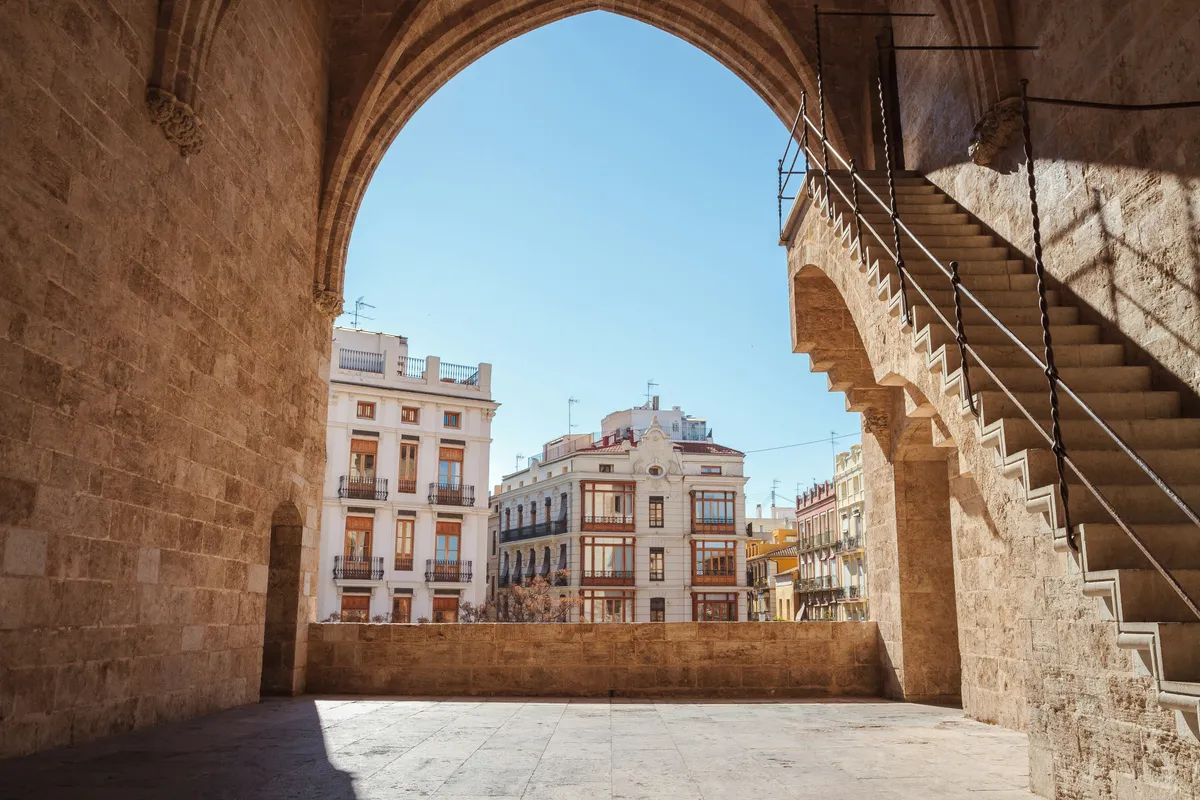
Valencia’s cannabis conversation involves private associations, municipal prevention and a wider Valencian history of hemp work. Each belongs to a different part of local life.
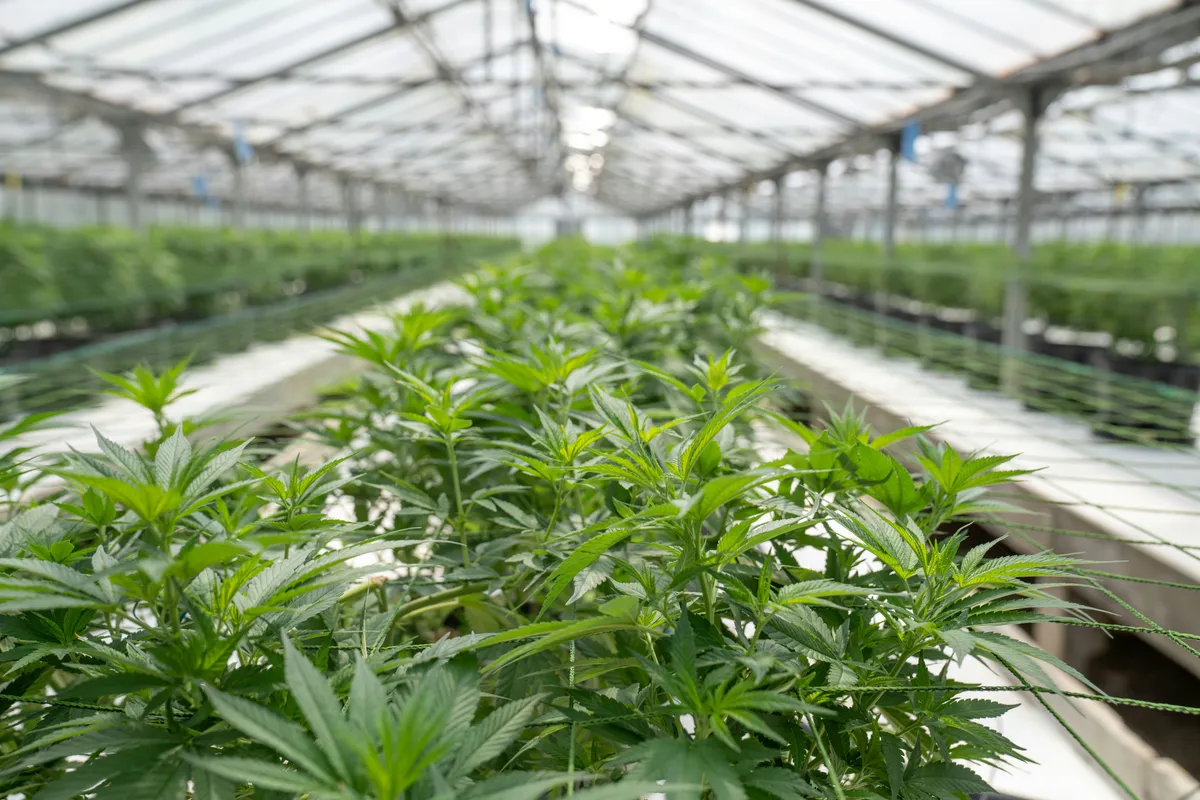
AEMET’s station records show why ‘Spanish sunshine’ is too broad a description of the landscapes behind hemp history.
The 2024 health indicator recorded cannabis use in 14.2% of 15–64-year-olds across the Comunitat Valenciana. The city’s prevention programme operated at a different local scale.
How hemp, botanical imagery, pills and collage became physical materials in Fred Tomaselli’s paintings.

Discover everyday Valencia through neighbourhood food markets, horchata country and l’Albufera’s rice landscape.
Concrete contributions from association life, harm-reduction work, medical-policy participation and cultural institutions.
Cultural and educational volunteering has a defined legal structure: a programme, agreed tasks, training, expenses and protection for the volunteer.
Three documented settings show how hemp and cannabis enter Valencia's cultural and civic history.
How hemp seed ingredients contribute flavour and nutrition, and what bread research reveals about their culinary behaviour.
Fiction about a photograph, a painted door and the people who keep a small community alive.
Spain’s public-possession rules apply on the Camino. Galicia’s public hostels have specific hours, and THC can affect abilities needed on the trail.
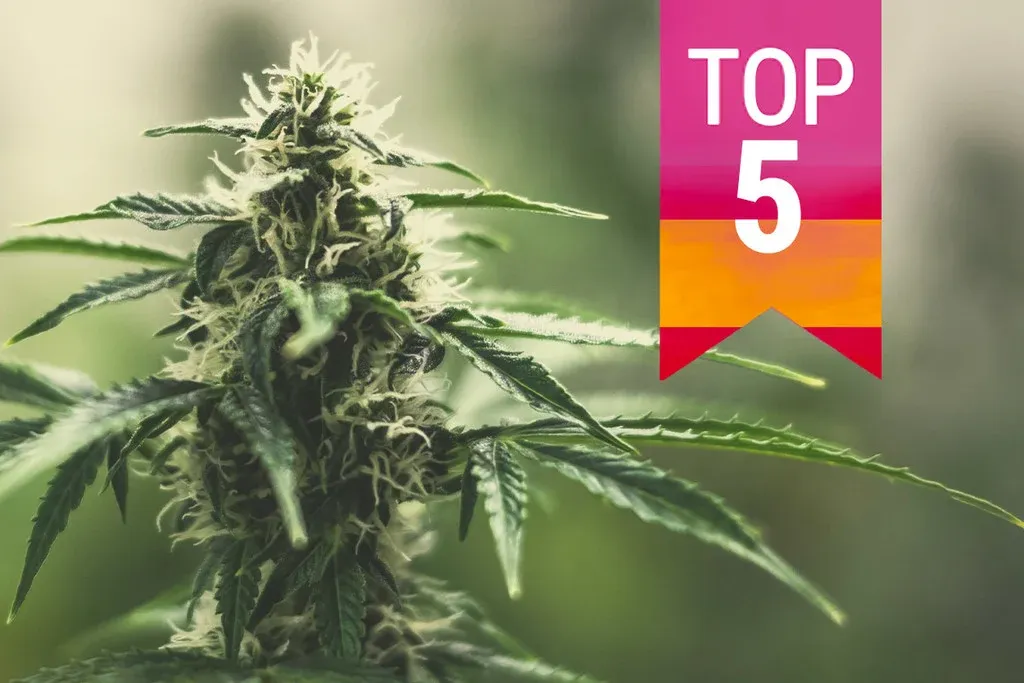
Amnesia Haze, Northern Lights, Cheese, Super Lemon Haze and Critical Mass introduce a wider story about volatile compounds and plant chemistry.
No matching articles. Try another search.