
The city around the club discussion
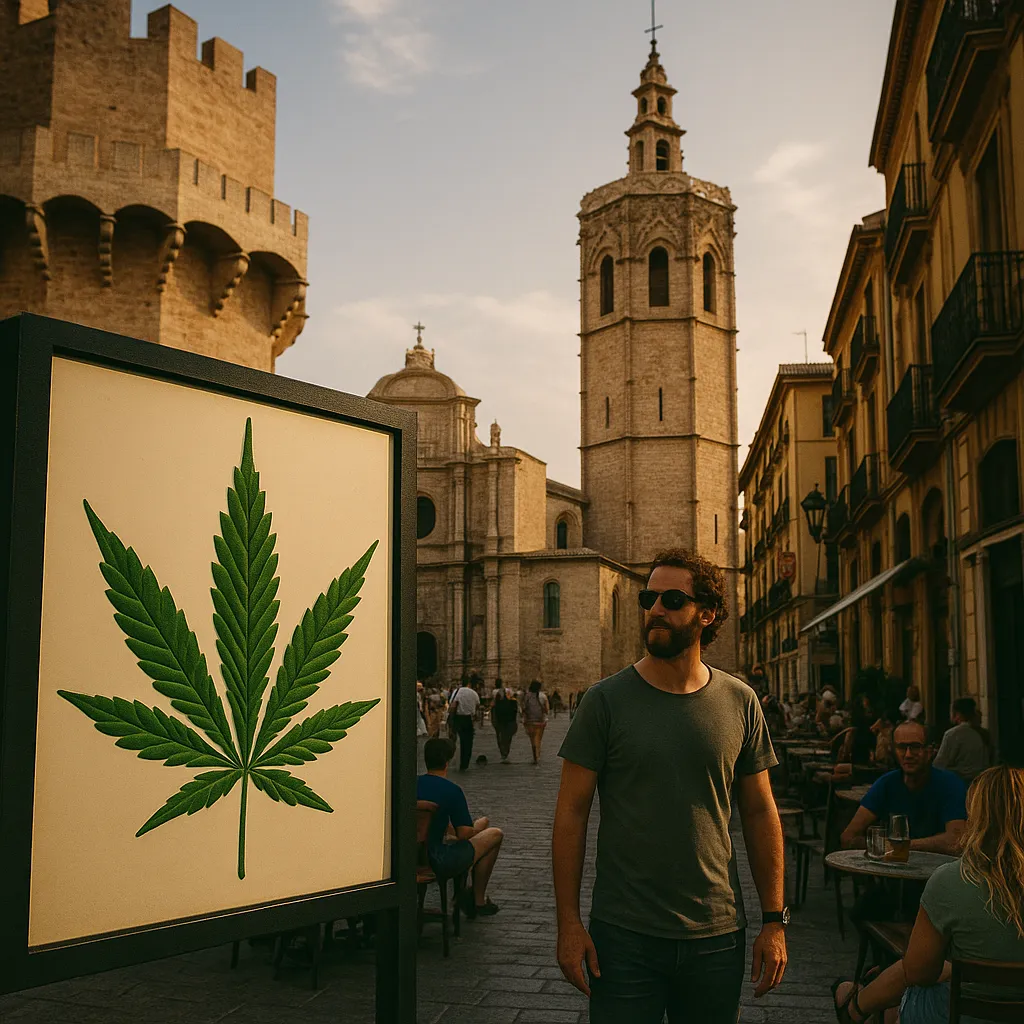
Valencia’s Old Town is a meeting place of several urban histories: Roman settlement, medieval commerce and modern neighbourhood life. Cannabis associations belong to the contemporary city, while Ciutat Vella’s best-documented landmarks explain much older forms of exchange and community. The most revealing connection is the shared urban setting: people with different interests use the same streets, markets and squares.
Roman Valencia beneath the streets
The municipal account dates the foundation of Valentia to 138 BCE. Archaeology at L’Almoina preserves evidence of the city’s successive lives, including destruction during the Roman civil wars and later rebuilding. This makes the historic centre more than a collection of attractive façades: the ground itself contains different versions of the city.
The archaeological perspective also changes the scale of a modern cultural label. A contemporary scene occupies one layer of a place with a much longer history of settlement, conflict and renewal. L’Almoina is a concrete starting point for understanding that depth; current museum access can change during conservation work.
The Silk Exchange: commerce made monumental
UNESCO identifies La Lonja de la Seda as an exceptional example of late Gothic civil architecture, built mainly between 1482 and 1533. Its trading hall gives physical form to Valencia’s mercantile power. Commerce here was important enough to receive a monumental public setting.
Across this part of the centre, trade is visible as architecture rather than an abstract economic statistic. The Lonja is particularly useful for understanding how an industry can shape a city’s identity across centuries. Its documented subject is silk and commercial life.
A market that still feeds the city
The Central Market opened in 1928 after a long building process, according to Visit Valencia. Its position beside the Lonja and the Santos Juanes church places everyday food buying among major monuments. Architecture, working stalls and the movement of customers share the same space.
This is a different sort of social institution from a private association: its purpose is daily food commerce. For readers interested in cannabis culture, the contrast helps situate clubs within a broader city whose public sociability already has many established forms.
Velluters and the textile connection
The Silk Museum, in the Colegio del Arte Mayor de la Seda, explains how silk reached Valencia and the importance of its trade over several centuries. The legacy continues in Valencian festive clothing. Velluters gives this textile history a neighbourhood setting, connecting skilled work to streets and buildings.
The direct historical thread here is silk. Cannabis and hemp have their own textile histories elsewhere, but Valencia’s silk institutions tell a specific story through surviving craft traditions and collections.
Shared streets have shared rules
Ciutat Vella combines homes, businesses, religious buildings and visitor attractions. Article 36.16 of Spain’s Citizen Security Act treats unlawful drug possession or consumption in public places as a serious administrative offence, including where there is no trafficking intention. A private association’s membership framework does not alter the character of surrounding public streets.
The Old Town therefore offers a straightforward cultural itinerary in its own right: archaeological layers, commercial architecture, food trading and textile heritage. Those institutions make the city around cannabis associations intelligible.
Sources & further reading
General information, not individual legal or medical advice.