From collective organisation to public regulation
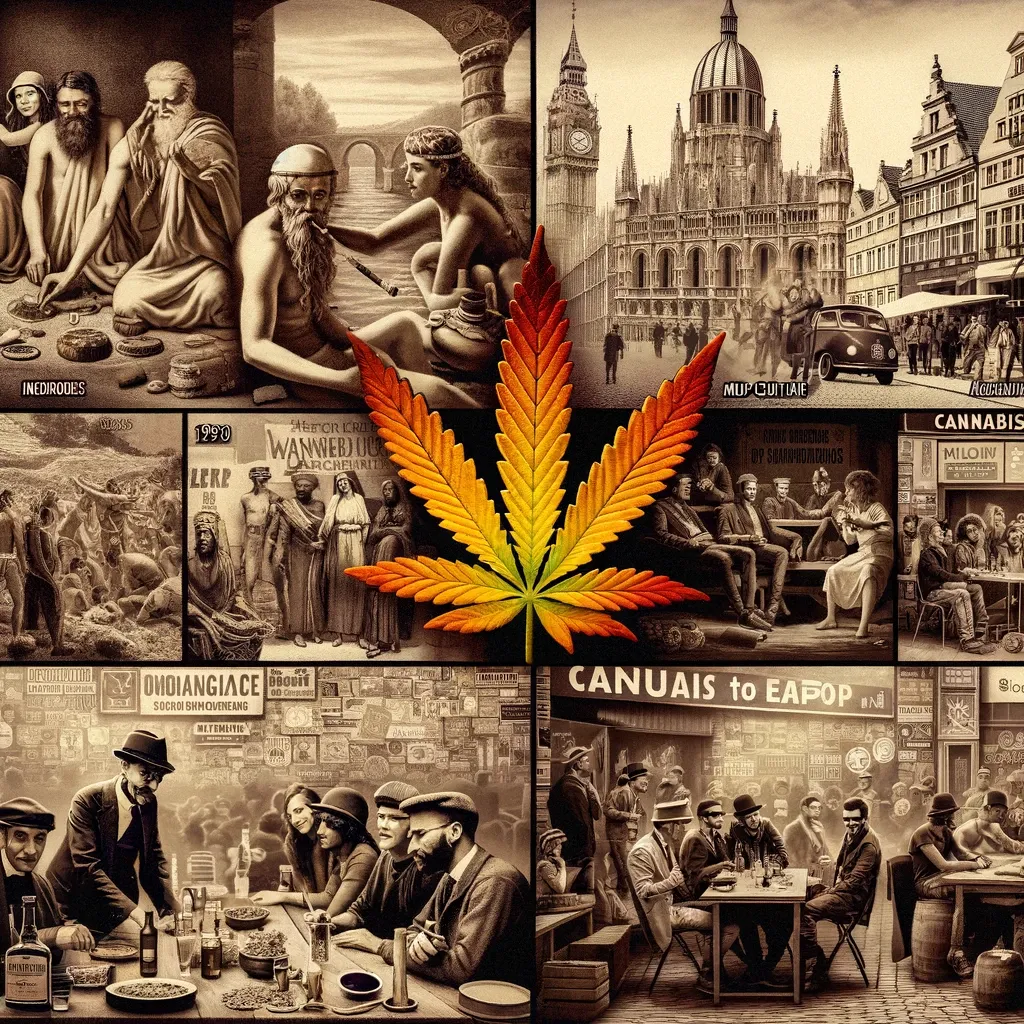
European cannabis clubs developed through two related processes: people organising collectively around cannabis, and governments creating specific rules for some forms of organisation. Spain became an important reference for the association model before Malta and Germany established dedicated regulatory frameworks. The history is therefore a sequence of civic experiments, court disputes and legislative choices, rather than one European system spreading unchanged.
Spain's association tradition
Research on the European club model traces its Spanish roots to activist organisations in the early 1990s and the development of clubs during the following decade. Associations combined a collective identity with arguments about private consumption and the scope of criminal law. Their organisational language emphasised members rather than anonymous retail customers. Spain's subsequent disputes concerned what those organisations actually did, particularly when collective arrangements involved supply. Constitutional Court judgment 100/2018 annulled Catalonia's association-specific law on competence grounds, illustrating the limits of regional regulation within the national legal framework.
The Dutch model followed another path
Dutch coffeeshops developed under a policy of tolerating certain retail sales subject to conditions. The government's published criteria address matters including minors, advertising, nuisance and hard drugs, with municipalities playing an important role. A coffeeshop is consequently a different institution from a member-governed association. The distinction matters historically: a retail tolerance policy and a collective-membership proposal answer different questions about who participates, how an establishment is governed and which activities authorities permit or tolerate.
Malta created a licensing authority
Malta's Cannabis Harm Reduction Association framework placed nonprofit organisations under the Authority for the Responsible Use of Cannabis. Applications opened on 28 February 2023. The regulator's framework addresses governance, approved premises, security and harm reduction, and prohibits cannabis and alcohol consumption on association premises. These features make the Maltese model more than a new name for a Spanish social lounge: a dedicated authority supervises a legally specified organisational form.
Germany legislated in 2024
Germany's Cannabis Act began taking effect on 1 April 2024, with the framework for cultivation associations following on 1 July. The Health Ministry describes noncommercial associations subject to authorisation and supervision by the Länder. The framework sets membership and residence conditions and requires active member participation. Its rules also separate association activity from an on-site consumption venue. These are nationally defined legal obligations, rather than a club's voluntary internal code.
A shared idea, several institutions
The common thread is collective organisation around adult cannabis use. Its institutional expression varies: activist association, tolerated retailer or specifically authorised nonprofit organisation. Over time, the central debate has expanded from whether clubs can exist to who supervises them, what responsibilities members carry and how public-health objectives are implemented. Those differences continue to shape the everyday meaning of a cannabis club across Europe.
Sources & further reading
General information, not individual legal or medical advice.